


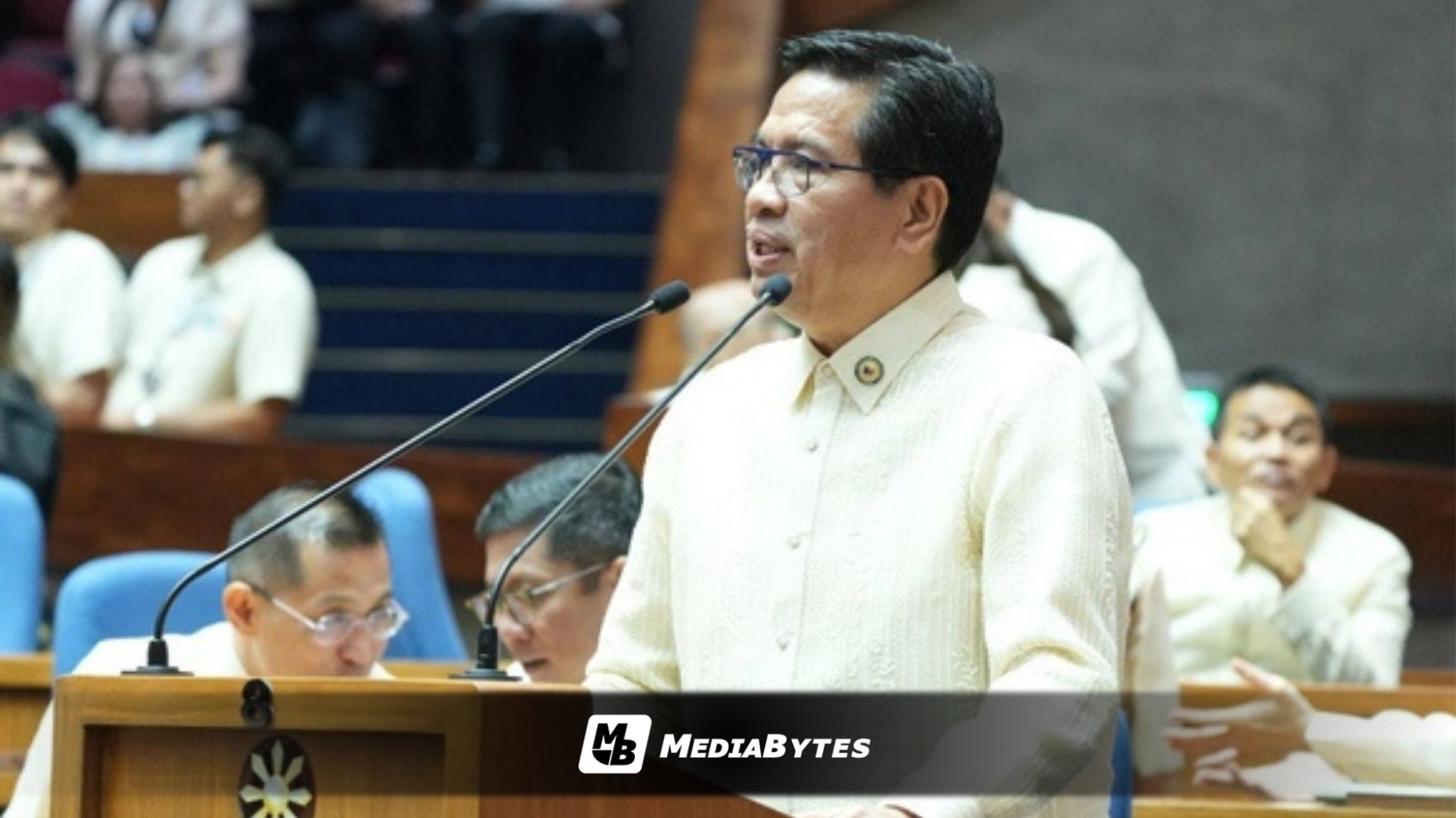
Las Piñas City Rep. Mark Anthony Santos has raised concerns over the sale of PrimeWater Infrastructure Corporation to Crystal Bridges Holding Corporation, stressing that a change in ownership alone will not resolve persistent water service problems.
Santos warned that the corporate transaction transfers control of multiple local water districts—essential public utilities—with little public scrutiny or consultation with consumers and local governments.
“Let’s be clear: PrimeWater is not an ordinary company. It directly operates local water districts, which are inherently public utilities. These water districts should not be treated like shares that can be bought and sold as ordinary assets,” Santos said.
He noted long-standing customer complaints, including intermittent supply, unsafe water, delayed infrastructure upgrades, and rising rates despite poor service.
“Now we are told there is a new owner and that improvements will automatically follow. But a change in ownership does not automatically fix the system,” he added.
Santos emphasized the need for investment and technical expertise but warned that essential services like water cannot be treated purely as business assets.
“We need investment and technical capacity in water infrastructure. But it’s a different matter when we’re talking about an essential service. When it comes to water, people have no choice. You can’t just tell them to switch providers,” he said.
He also questioned potential financial impacts on consumers.
“If PrimeWater was sold for a high price, who would recover the costs? Consumers, through higher rates? Will the public pay for a corporate deal they had no say in?” Santos asked.
Santos urged Congress and regulators to prioritize consumer welfare, service quality, and accountability, especially amid climate challenges, aging infrastructure, and growing demand.
“Water is life. And life should not depend solely on corporate deals,” he said.
“If this sale results in better service, more affordable rates, and wider access, then we welcome it. But if it leads to higher costs, weaker service, and reduced accountability, then Congress must act,” he added.