


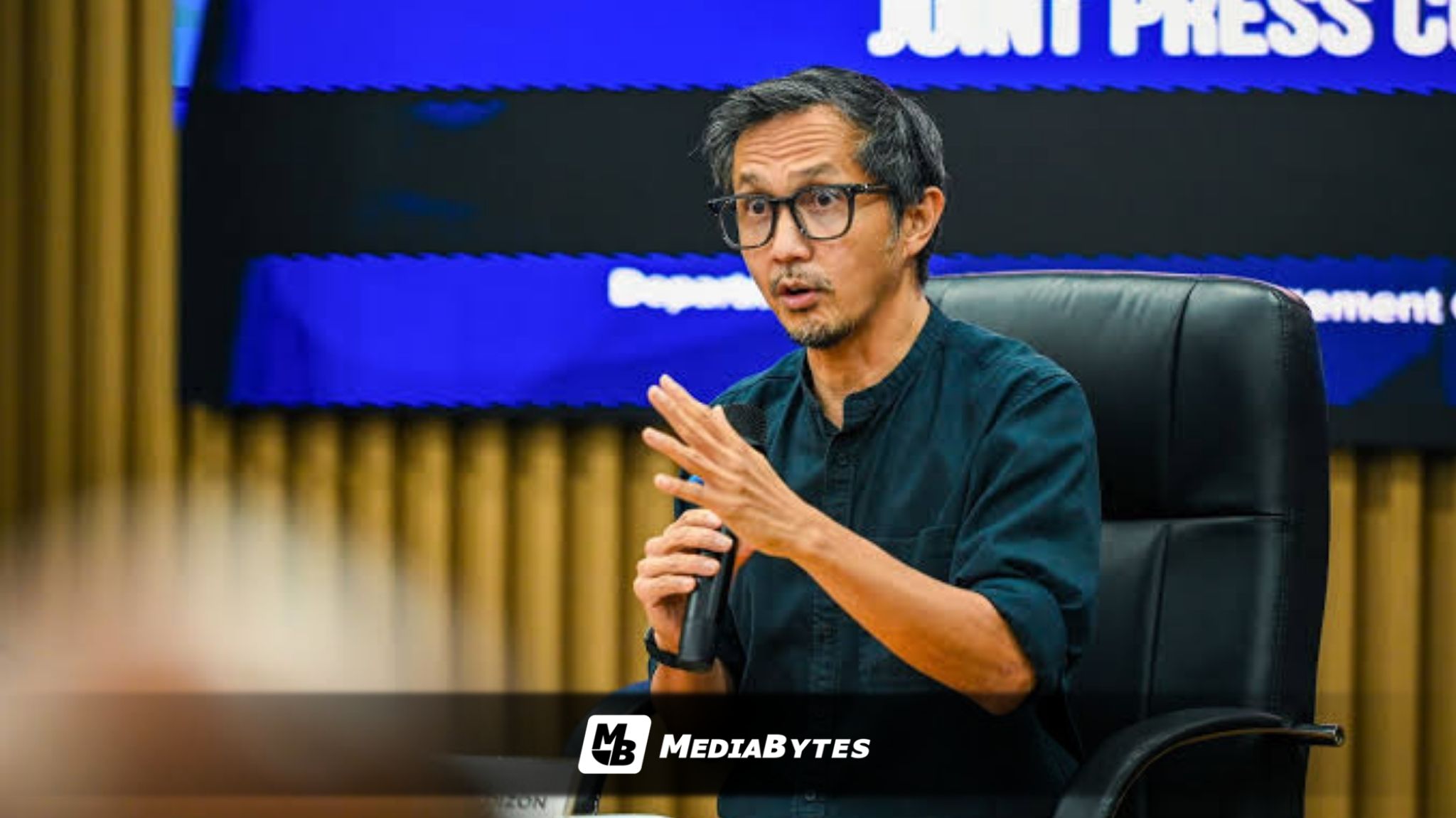
The House of Representatives is set to summon Public Works Secretary Vince Dizon to explain why more than half a trillion pesos in infrastructure funds remain unused.
Manila City 2nd District Representative Rolando Valeriano said he will file a resolution directing the Committee on Good Government and Public Accountability to investigate delays in the bidding and rollout of projects under the 2026 national budget.
“As such, I believe it is the legislative’s duty investigate the delays in the procurement and implementation of infrastructure projects under the 2026 national budget. I will be filing a House Resolution directing the relevant committee, particularly the Committee on Good Government And Public Accountability, to hold an investigation in aid of legislation,” Valeriano said.
He noted that the issue was raised during consultations of the National Unity Party (NUP), which supported his proposal for an inquiry, stressing that infrastructure projects are vital to sustaining economic growth amid the global oil crisis.
“Public infrastructure spending is one of the government’s most powerful tools for sustaining economic growth. When infrastructure projects move, jobs are created, supply chains expand, and economic activity spreads across communities. When they stall, the consequences ripple throughout the economy,” he added.
Valeriano cited a report from the Makati Business Club showing that the country’s economic growth in 2025 was only 4.4%, below the government’s 5.5%–6.5% target. He warned that failure to utilize the ₱529.6 billion allocation could further weaken the economy.
“When projects are not bid out on time, these billions remain idle instead of circulating through the economy. Rising oil prices and escalating geopolitical tensions are already placing pressure on economic stability worldwide. In such conditions, government spending must act as a stabilizing force. Infrastructure projects rollout cannot afford to slow down,” Valeriano said.
The inquiry will also examine whether controversies surrounding flood control projects influenced the DPWH’s decision to hold off on fund releases, or if the agency simply lacks the capacity to implement the lined-up projects.
“When national infrastructure spending slows, national economic growth slows with it,” Valeriano stressed.
“At a time when the global environment is increasingly volatile, government investment must perform the role it was designed to fulfill. Infrastructure programs must move forward without unnecessary delay so that public funds can support jobs, strengthen the economy, and deliver the development our communities expect,” he added.