


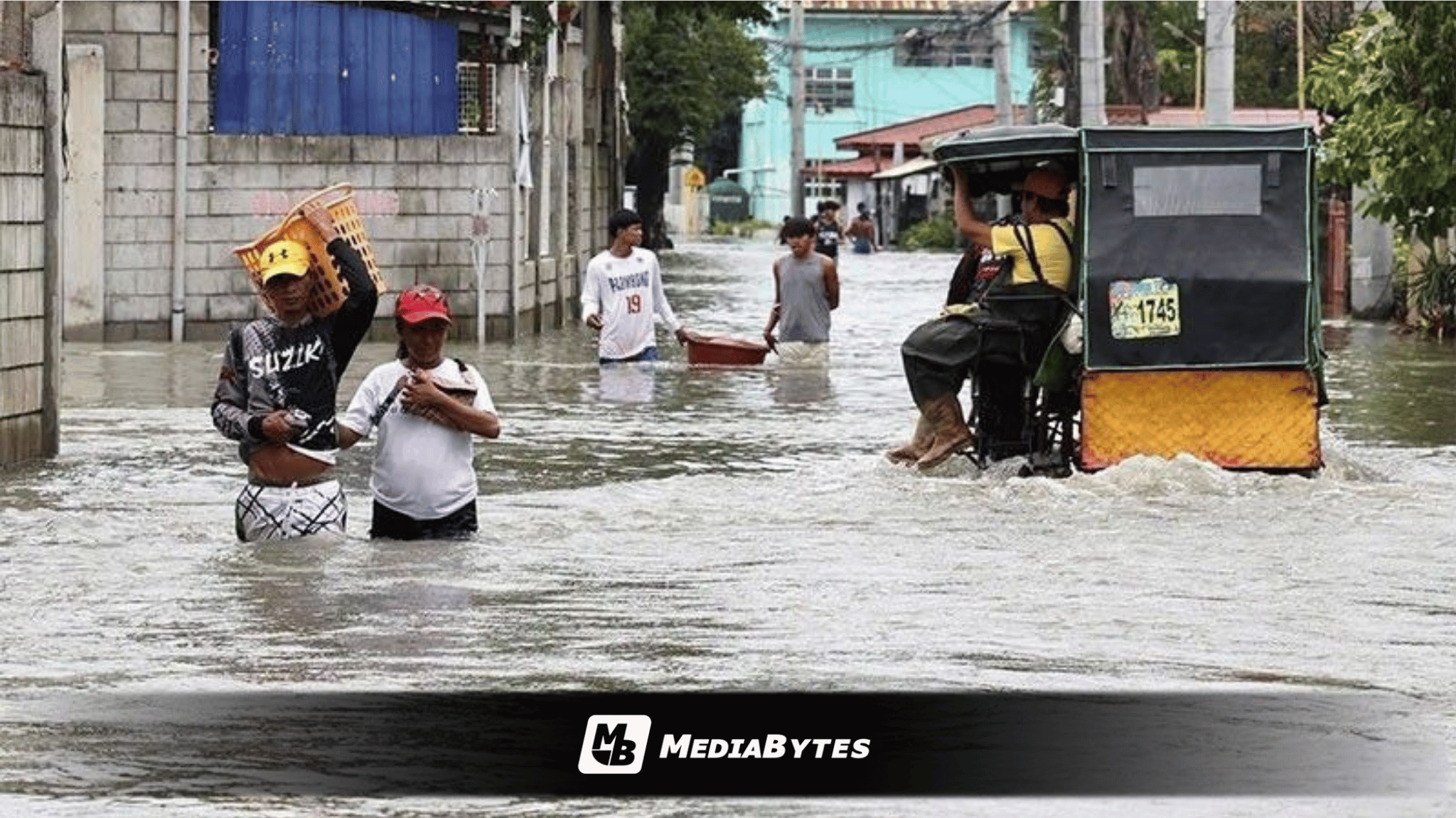
The provincial government of Bulacan has intensified its response against leptospirosis following a steep rise in suspected infections recorded by the Provincial Health Office–Public Health (PHO-PH).
Between January 1 and September 5, the province logged 394 suspected cases, a sharp jump from the 158 cases recorded during the same period last year. Approximately 60 percent of the total—or 232 cases—were reported over the last two weeks alone.
Health authorities have confirmed four fatalities linked to the illness, with total infections exceeding the provincial alert threshold by more than five times.
Officials attributed the outbreak to widespread flooding caused by recent typhoons and monsoon rains. To curb transmission, PHO-PH personnel are monitoring flooded communities and evacuation centers in coordination with local Disease Surveillance Units. Medical supplies, including doxycycline and antifungal creams, have been distributed to health offices and public hospitals across the province.
Demographic data indicates that men aged 25 to 29 represent the majority of affected individuals, with exposure to floodwaters identified as the primary transmission factor.
Meycauayan City reported the highest number of suspected cases at 58, followed by San Jose del Monte with 47 and Malolos with 39.
Meycauayan also posted the highest attack rate at 2.46, followed by Bocaue at 2.23 and Calumpit at 1.97.
In response, Bulacan Governor Daniel Fernando instructed health and municipal officials to step up sanitation and pest control efforts as floodwaters recede.
“Hindi dapat binabalewala o naiiwan nang walang wastong atensiyong medikal ang anumang pinaghihinalaang kaso,” Fernando said.
Leptospirosis is a bacterial infection caused by Leptospira, transmitted when open skin or wounds come into contact with water contaminated by infected animal urine, particularly from rats. Symptoms range from fever, headaches, muscle aches, and red eyes to severe complications such as reduced or dark urine output.
Health authorities advise the public to avoid floodwaters, wear protective gear like boots when exposure is unavoidable, and seek immediate medical evaluation for symptoms or post-exposure preventive treatments like doxycycline.