


The impeachment trial of Vice President Sara Duterte shifted to allegations of unexplained wealth on Monday, September 14, as the Senate, acting as an impeachment court, began hearing evidence under Article II of the complaint.
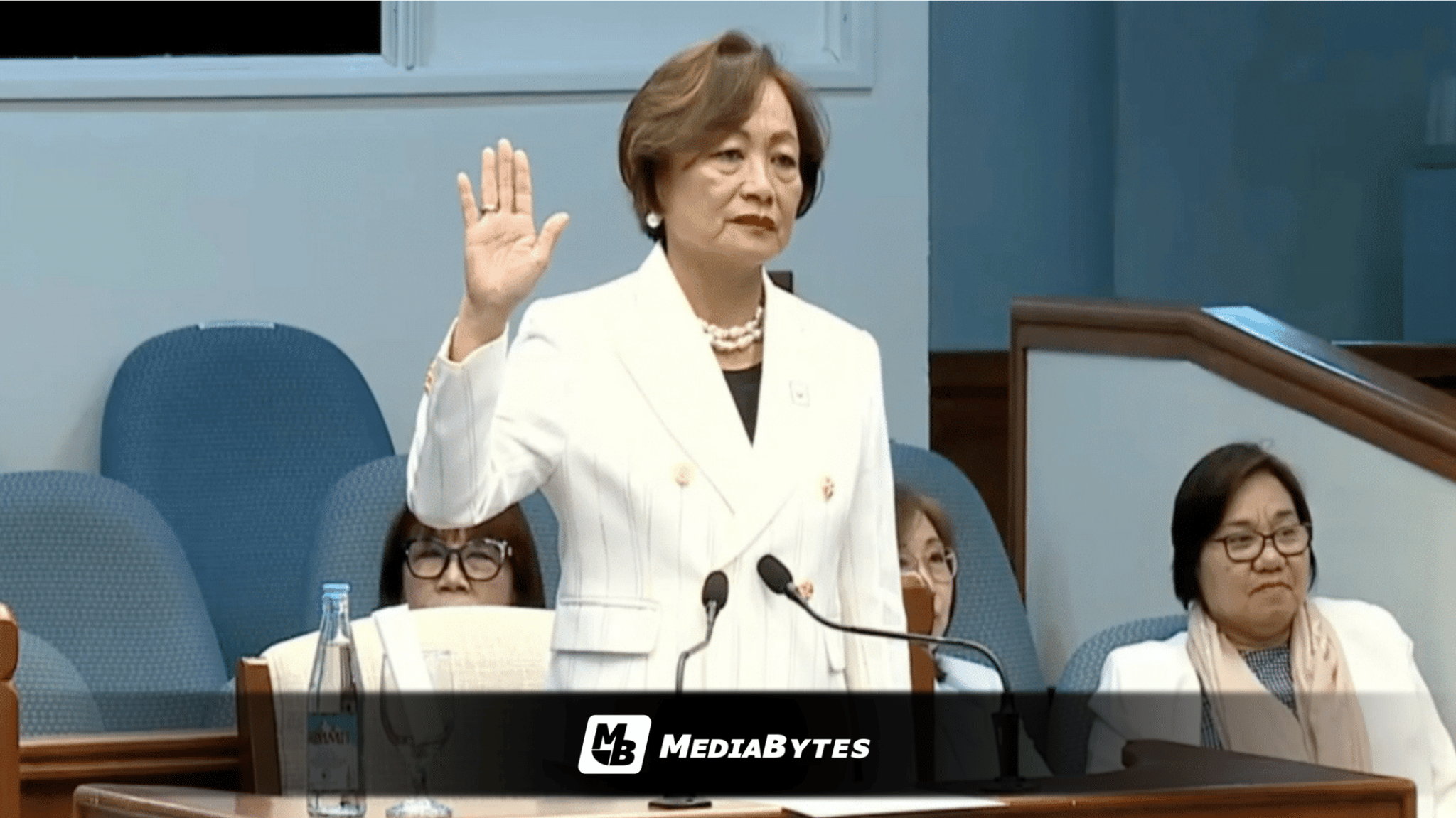
On Day 24 of the proceedings, the House prosecution presented former Sandiganbayan Presiding Justice Amparo Cabotaje-Tang as its first witness for the article. Prosecutors said her testimony would provide the senator-judges with guidance on the legal concepts of unexplained, concealed, and ill-gotten wealth as they assess financial documents linked to Duterte.
Cabotaje-Tang discussed various laws and regulations on public accountability and anti-corruption, including Republic Act No. 6713, or the Code of Conduct and Ethical Standards for Public Officials and Employees, as well as rules governing the submission of Statements of Assets, Liabilities and Net Worth (SALNs).
She told the impeachment court that unexplained wealth acquired by a public official may be a basis for removal from office. She also clarified that cash kept on hand and money deposited in banks must be declared separately in a public official’s SALN rather than being placed under other personal properties.
“Well, under [Republic Act No.] 6713, ‘yung cash on hand and cash in bank, they must be specifically declared in the SALN. Hindi pwedeng i-lump ‘yun sa ibang other personal properties,” Cabotaje-Tang said.
The former Sandiganbayan justice also explained the restriction preventing the President and Vice President from engaging in business while in office, pointing to the potential for abuse of authority given their positions as the country’s two highest elected officials.
During cross-examination, Duterte’s lawyers questioned Cabotaje-Tang about her political neutrality and her previous bid for a Supreme Court post during the administration of former President Rodrigo Duterte.
Defense lawyer Atty. Mark Vinluan asked whether the witness was anti-Duterte or a “kakampink,” a term associated with supporters of former Vice President and current Naga City Mayor Leni Robredo.
Cabotaje-Tang denied having any political allegiance.
“No, I’m not,” she said when asked if she was anti-Duterte.
When asked if she was a “kakampink,” she replied:
“No. I’ve never been political in my life. I’ve always been apolitical.”
The defense likewise asked whether Cabotaje-Tang had been given anything in exchange for testifying before the impeachment court.
She rejected the insinuation, saying she would not have appeared before the Senate had she been offered anything of material value or otherwise.
“My testimony is not for sale, Sir,” she said.
Meanwhile, the impeachment court ordered the Philippine National Bank (PNB) and UnionBank to submit Duterte’s bank records by Thursday, September 17.
Presiding Officer and Senator Francis “Chiz” Escudero said the deadline was moved after the two banks requested more time to process the substantial volume of documents. He emphasized, however, that no further extension would be granted.
Senator-judges also raised questions concerning SALN rules, including the disclosure of properties owned by a public official’s spouse.
Senate President Win Gatchalian sought clarification on the requirement, leading to a light exchange among members of the impeachment court.
Senate Minority Leader Alan Peter Cayetano and Senator Pia Cayetano also brought up concerns over alleged threats and intimidation directed at some senator-judges. Pia asked Cabotaje-Tang if she had encountered instances where judges were threatened because of their official duties.
The former justice said she had not experienced such incidents in connection with cases handled by the Sandiganbayan.
Monday’s hearing marked the prosecution’s entry into the third of the four impeachment articles in its planned presentation.
The proceedings are expected to continue with scrutiny of Duterte’s financial and corporate records as the Senate evaluates the allegations of unexplained wealth against her.