


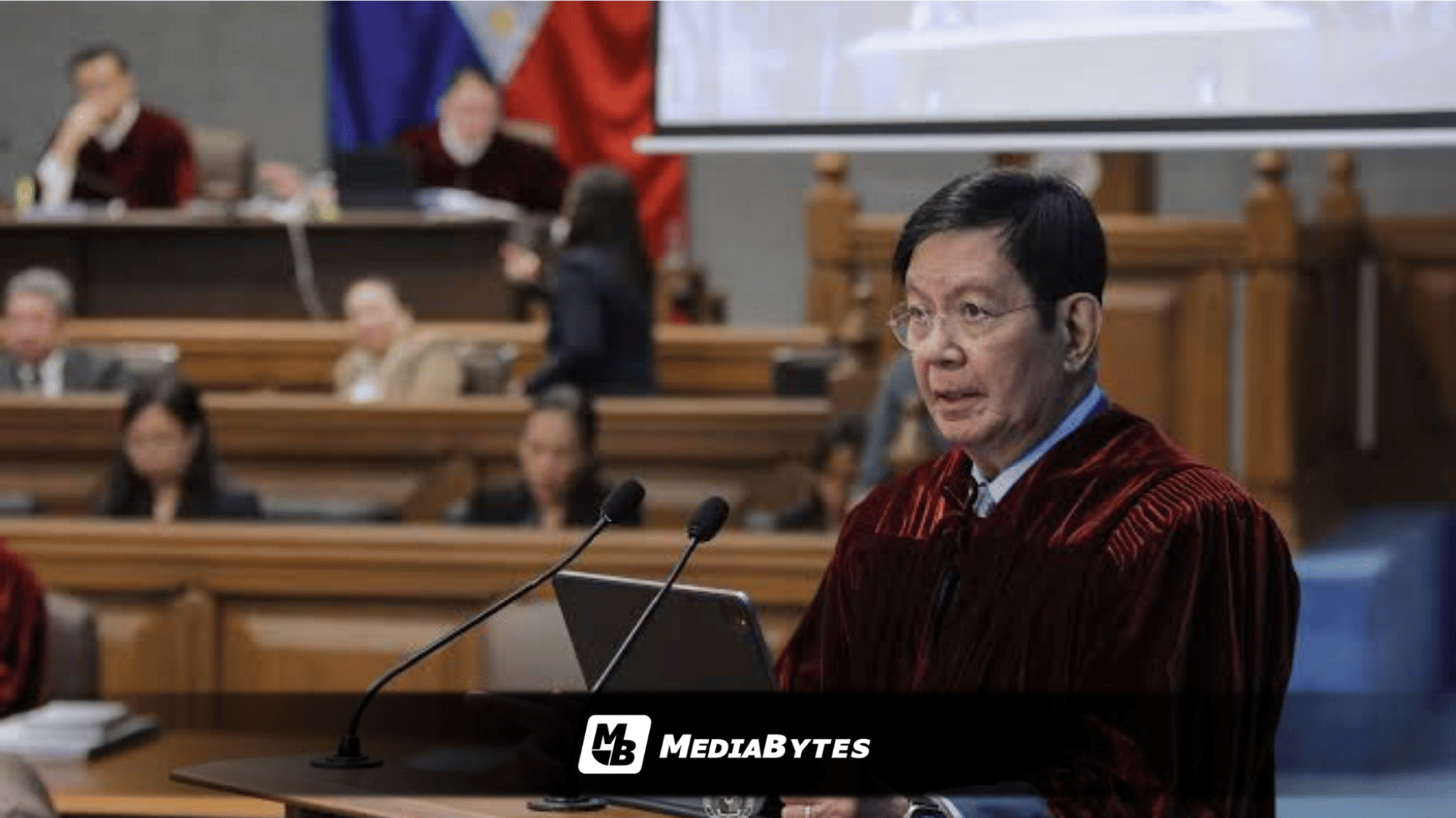
Senator Panfilo “Ping” Lacson has proposed using the Philippine Identification System (PhilSys) as the primary tool to verify user ages on social media networks, aiming to streamline enforcement and close potential legal loopholes.
Speaking during interpellations on Senate Bill No. 2424—the proposed Child Online Safety and Protection Act sponsored by Senator Robin Padilla—Lacson urged lawmakers to simplify age-verification protocols by prioritizing government-issued identification.
”Let’s simplify the process and use the National ID, During the period of amendments, I will propose that we use the National ID or a backup ID be made a required and documented basis for access to social media platforms,” Lacson said.
Padilla expressed strong support for the amendment.
”Napakaganda ng inyong minumungkahi,” Padilla said.
Lacson, who sponsored the law creating PhilSys (Republic Act No. 11055), argued that reversing the order of verification methods under SB 2424 to mandate the National ID first makes sense given Philippine Statistics Authority data showing around 96% registration nationwide.
”But the National ID should come first because every Filipino is assigned a National ID number at birth. It is more accurate and recognized under Philippine law,” he stressed.
SB 2424 seeks to ban social media account creation for children under 16, while requiring those aged 16 to 17 to pass strict age-assurance and safety checks.
Lacson voiced concerns over alternative methods like AI age estimation, self-declaration, or third-party assessments, warning that platform discretion invites non-compliance.
”If we allow discretion, we will allow loopholes that could be used to circumvent the implementation of this law,” he said.
The senator suggested pairing account restrictions for 16- and 17-year-olds with mandatory digital literacy training in senior high school, ensuring young people understand online risks before gaining full digital access at age 18.
”Instead of age restriction, we should remove unsupervised access,” he said.
Lacson also advocated granting the Department of Information and Communications Technology (DICT) quasi-judicial authority to penalize platforms that violate the proposed safety regulations.