


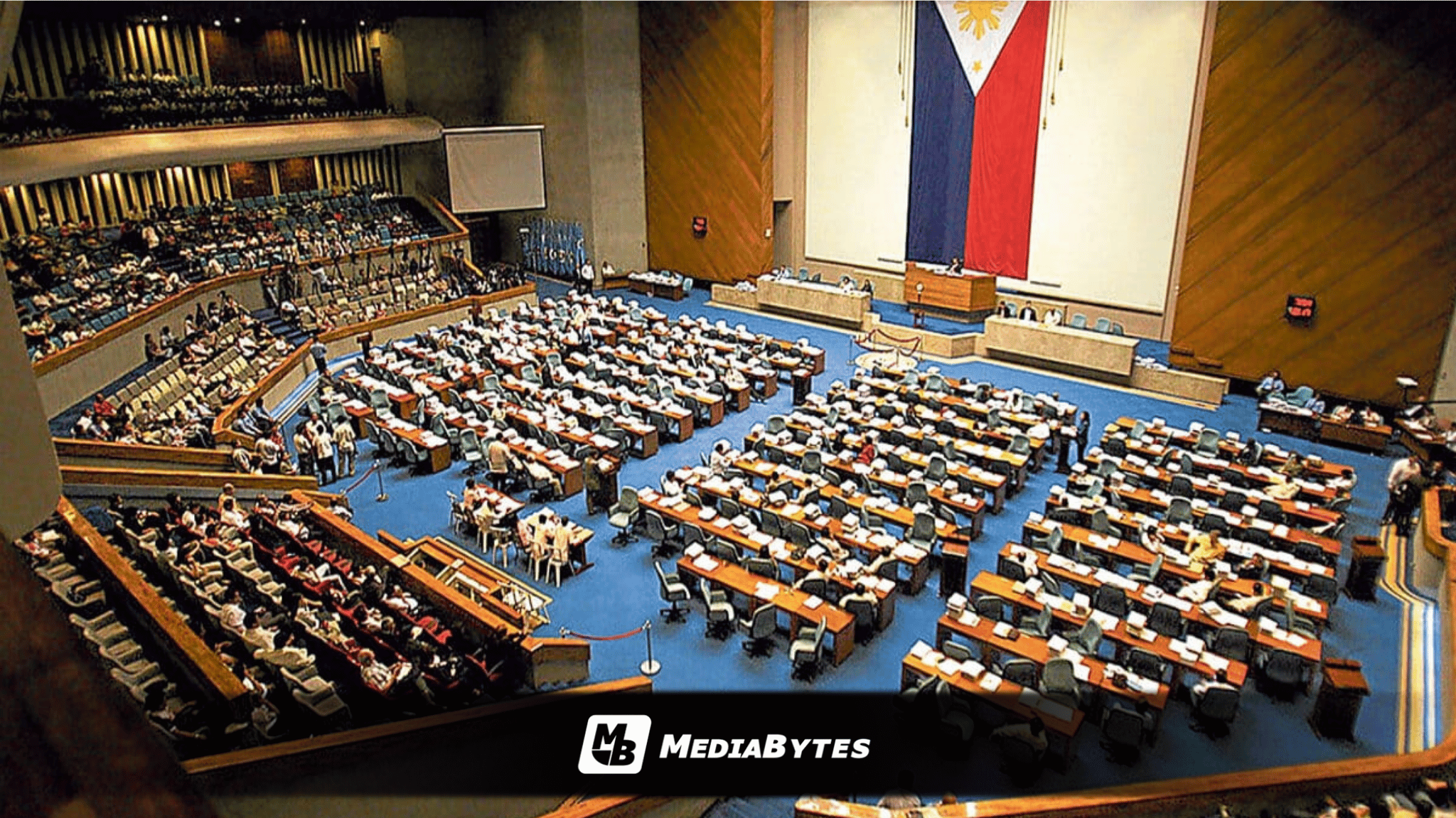
Lanao del Sur 1st District Representative Zia Alonto Adiong has urged Congress to move quickly on legislation seeking to prohibit political dynasties, describing the Supreme Court’s recent directive as a “constitutional wake-up call.”
In a statement Wednesday, September 16, Adiong welcomed the Supreme Court’s reminder that lawmakers have a constitutional duty to define and prohibit political dynasties through legislation.
“I welcome the [SC]’s reminder that Congress must enact an Anti-Political Dynasty Law defining what a political dynasty is and providing the specific prohibitions ‘at the earliest possible time’,” he said.
Adiong, who chairs the House Committee on Suffrage and Electoral Reforms, cited Supreme Court spokesperson Atty. Camille Sue Mae Ting’s statement that Congress’ prolonged failure to pass an Anti-Political Dynasty Law constituted grave abuse of discretion.
“[SC] Spokesperson Atty. Camille Sue Mae Ting said the high court ruled that ‘Congress’ prolonged failure to enact an Anti-Political Dynasty Law constitutes grave abuse of discretion.’ That finding is a constitutional wake-up call,” Adiong said.
He pointed out that the House has already taken legislative action on the issue during the current 20th Congress.
Under the leadership of House Speaker Faustino “Bojie” Dy III and House Majority Leader Sandro Marcos, the chamber approved its version of the Anti-Political Dynasty Bill on third and final reading in June.
“That vote shows the House is prepared to meet the constitutional mandate identified by the court,” Adiong said.
The lawmaker stressed that Congress can no longer delay action on the measure.
“Inaction is no longer defensible.”
“We intend to finish the work.”
Adiong also cited Article II, Section 26 of the 1987 Constitution, which calls on the State to ensure equal access to public service and prohibit political dynasties as defined by law.
“For nearly four decades, Article II, Section 26 of the 1987 Constitution has directed the State to guarantee equal access to public service and prohibit political dynasties as may be defined by law. The duty to define and prohibit belongs to Congress.”
He said the House Committee on Suffrage and Electoral Reforms is prepared to participate in the next stage of the legislative process, including efforts to reconcile differences between the House and Senate versions.
“As chairperson of the Committee on Suffrage and Electoral Reforms, I reaffirm our readiness for the bicameral conference. We will work to reconcile the disagreeing provisions of the House and Senate versions so that the country finally has a clear definition, specific prohibitions, and an enforceable law.”
Adiong said the Supreme Court’s ruling places renewed attention on Congress’ responsibility to act through legislation.
“The Supreme Court has spoken on the duty. Congress must now speak through legislation. Public office is a public trust, not a hereditary entitlement,” he said.
The Philippine Congress consists of the House of Representatives and the Senate. For a proposed measure to become law, both chambers must approve their respective versions before the legislation can proceed through the remaining stages of the legislative process.