


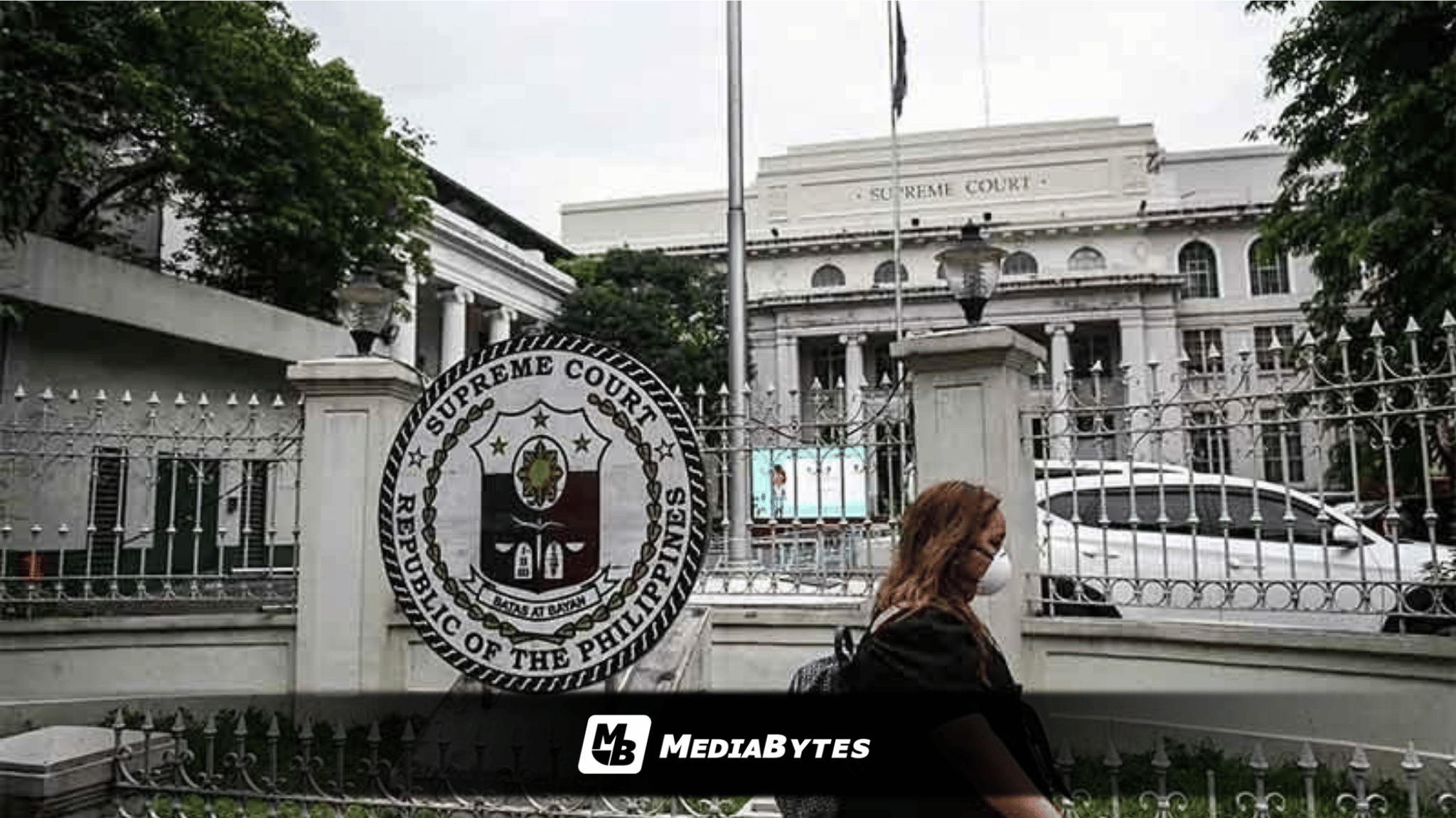
MANILA, Philippines — Proposed legislation seeking to prohibit political dynasties in public office should cover family and spousal relations up to the fourth civil degree, the Supreme Court stated.
The High Tribunal held lawmakers directly responsible for allowing political power to remain concentrated within select families, observing that the inaction has corrupted democratic processes, eroded accountability, and created an environment ripe for political patronage and corruption.
“There is basis to extend the prohibition on political dynasties to relatives up to the fourth civil degree of consanguinity and/or affinity,” stated Associate Justice Ramon Paul Hernando, who penned the Supreme Court’s August 26 decision.
The ruling pointed out that under the 1987 Constitution, the President is already barred from appointing a spouse or relatives within the fourth degree to head executive departments, cabinet positions, or independent constitutional bodies like the Civil Service Commission (CSC), Commission on Audit (COA), and Commission on Elections (COMELEC).
Given the deep-seated nature of extended family structures in Filipino culture, Justice Hernando noted that restricting anti-dynasty laws to immediate relations could render the legislation ineffective.
“it appears that limiting the extent of relatives covered to a level below the fourth civil degree may be counterintuitive,” Hernando added, pointing to the socio-cultural dynamics of Philippine households.
The magistrate further highlighted that multiple existing legal frameworks—including the Civil Code, Family Code, Revised Penal Code, and the Code of Conduct and Ethical Standards for Public Officials and Employees—already disqualify individuals or invalidate transactions based on relationships up to the fourth civil degree.