


WASHINGTON — The U.S. State Department has ordered officials within its Bureau of International Organization Affairs to swap the term “artificial intelligence” for “super intelligence” across all formal communications, directly carrying out a directive issued by President Donald Trump.
In an internal email sent Tuesday titled “Change in Nomenclature AI to SI,” Deputy Assistant Secretary of State Michael Drager instructed staff members to adjust their official phrasing immediately.
“Following the president’s remarks at the GA today, please change all references of ‘Artificial Intelligence’ to ‘Super Intelligence’ in our documents and positions. We will be using ‘SI’ in all remarks, positions and press elements moving forward,” Drager stated.
The mandate applies to the bureau responsible for coordinating U.S. diplomatic missions to the United Nations and various international bodies, though it remains unconfirmed whether the policy shift will extend across other federal departments.
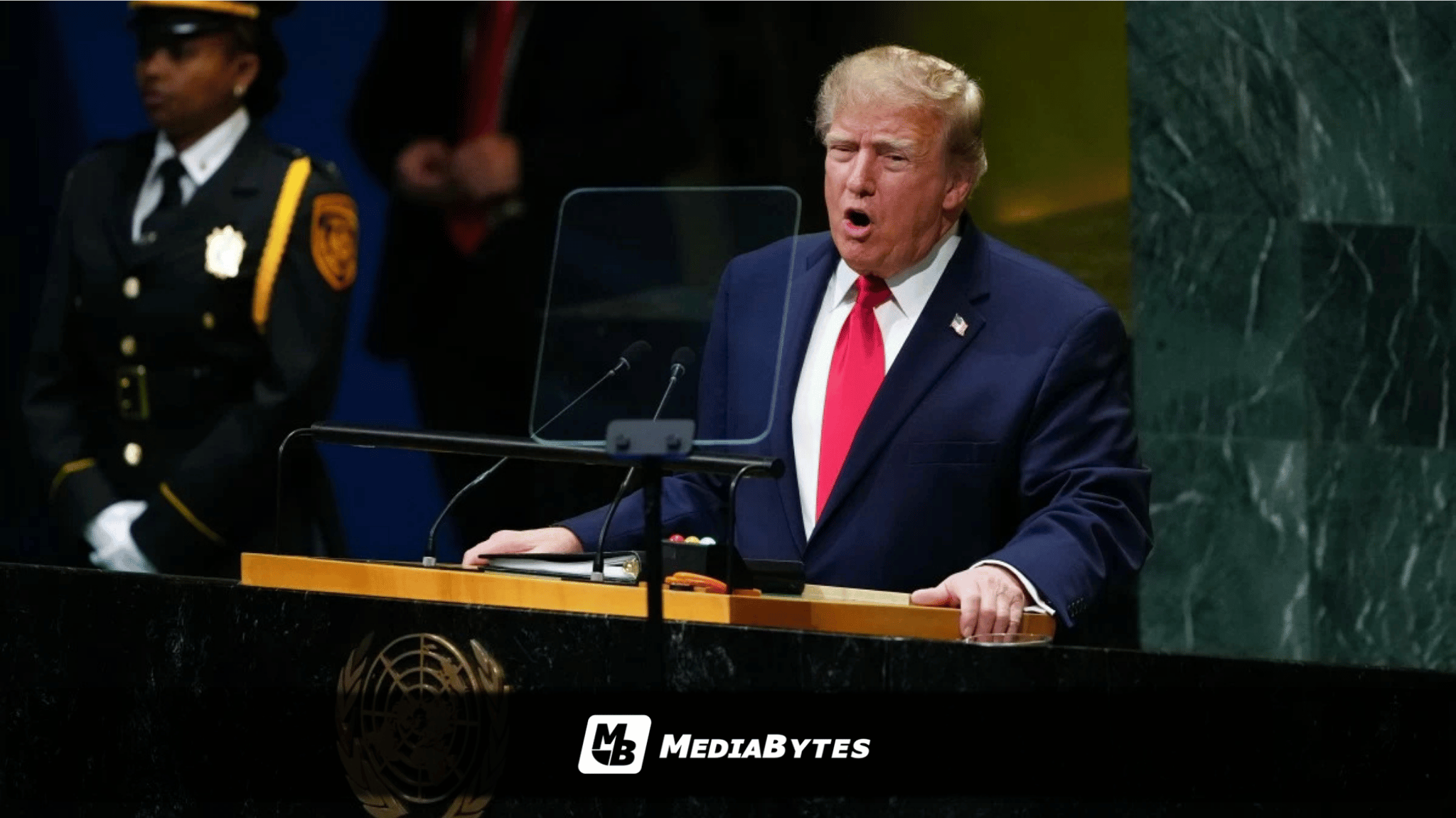
The directive follows Trump’s speech at the U.N. General Assembly on Tuesday, during which he criticized the traditional terminology.
“The use of the word artificial makes intelligence fake, it makes it sound fake and it is not fake. It’s actually amazing,” Trump declared.
Trump further informed the assembly that U.S. administrative records would undergo an immediate revision to reflect the updated language.
He noted that “from the point forward” government documentation “will be changed to use the much more accurate term super as opposed to artificial. So, it’s super intelligence”.
The terminology shift quickly filtered into active diplomatic proceedings, with American delegates adopting the abbreviation “SI” during a U.N. Security Council session on Wednesday. The broader mandate could also prompt rebranding for other recent administration initiatives, including the newly proposed “AI Force”.
The nomenclature shift comes amid international debates regarding regulatory safeguards for advancing tech capabilities.
While many global leaders and industry figures advocate for stricter oversight, Trump has resisted measures that might hinder commercial progress or undermine American competitiveness relative to China.
In a public statement on Monday, Trump asserted that the U.S. maintains a lead over China in the sector, emphasizing that he was “not going to stifle Growth, of something that will be bigger than the Industrial Revolution, or the Internet, itself”.
The subject is slated to serve as a central focus during bilateral meetings between Trump and Chinese President Xi Jinping during his visit to Washington.