


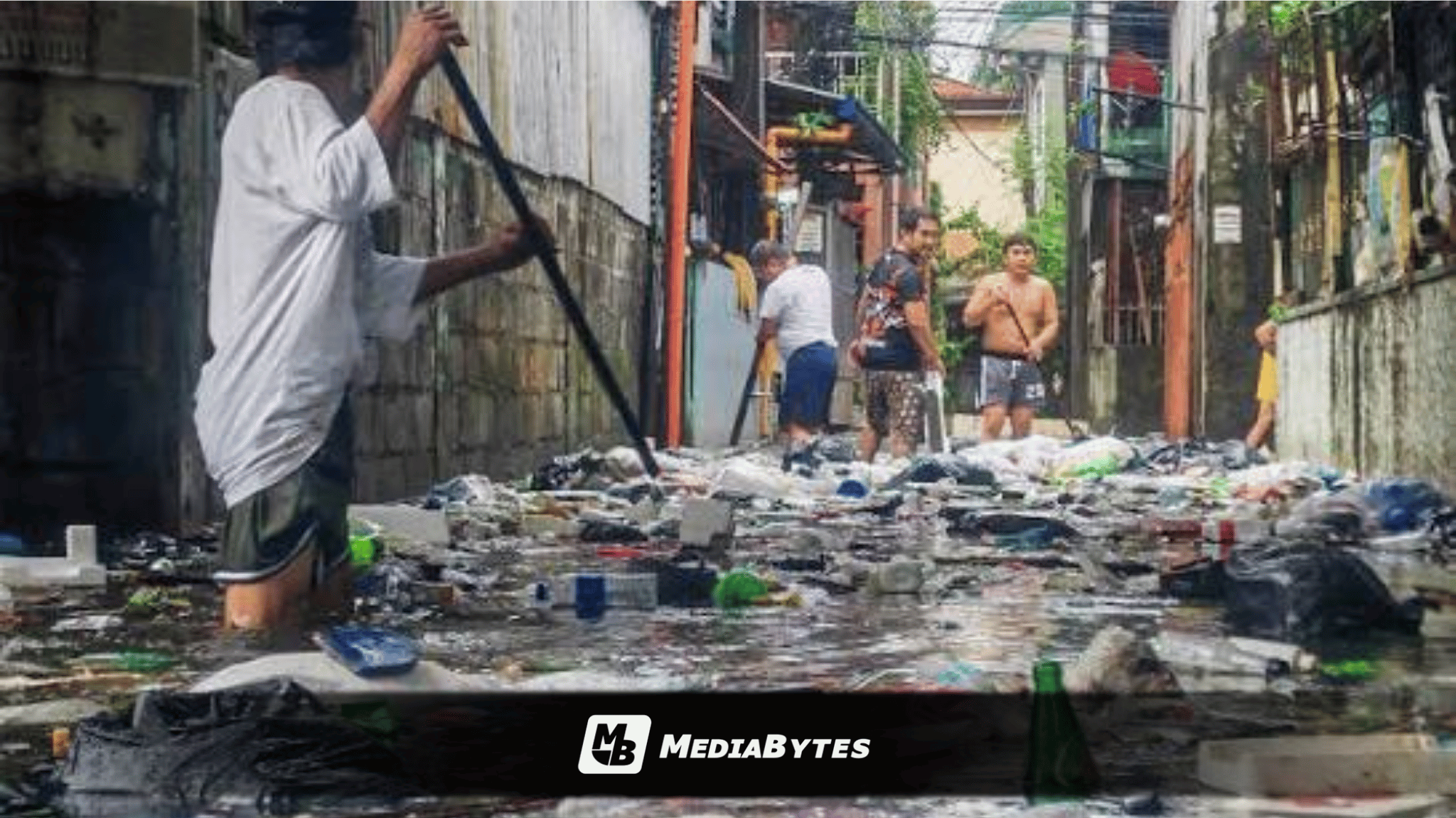
SYDNEY — The Philippines has called on the international community to streamline access to global climate funding, warning that complex bureaucratic hurdles are preventing vulnerable nations from protecting their populations from severe environmental threats like flooding, water scarcity, and coastal degradation.
Speaking at the 2026 United Nations Framework Convention on Climate Change Standing Committee on Finance Forum in Australia, Climate Change Commission Vice Chairperson Robert Borje emphasized that global financial commitments are meaningless if the money fails to reach affected communities efficiently.
“Finance must follow risk and need, not only the prospect of financial return,” Borje said.
The CCC highlighted a massive shortfall in global support, noting that while developing nations will require $310 billion to $365 billion annually for adaptation efforts by 2035, international public adaptation funding stood at just $26 billion in 2023.
Although water and wastewater management secured nearly half of all tracked adaptation money between 2021 and 2022, Borje stressed that the overall fund remains critically insufficient.
“But a large share of an inadequate pool remains inadequate,” Borje said.
To fix the broken system, the Philippine delegation presented three strategic priorities: establishing transparent tracking systems for climate money, creating financial instruments tailored to specific adaptation needs, and removing technical barriers that prevent local government units from securing grants.
“In many developing countries, including the Philippines, national and subnational institutions face accreditation, project-preparation and approval requirements that exceed their technical and financial capacity,” Borje added.
To bridge the gap, Manila urged international financial institutions to prioritize public and low-interest loans while exploring private and blended investments to expand overall available resources.
The SCF advises the UN climate summit on financial mechanisms, while the CCC acts as the primary Philippine agency responsible for steering national climate policies and pushing for global financial reforms under Republic Act No. 9729.