


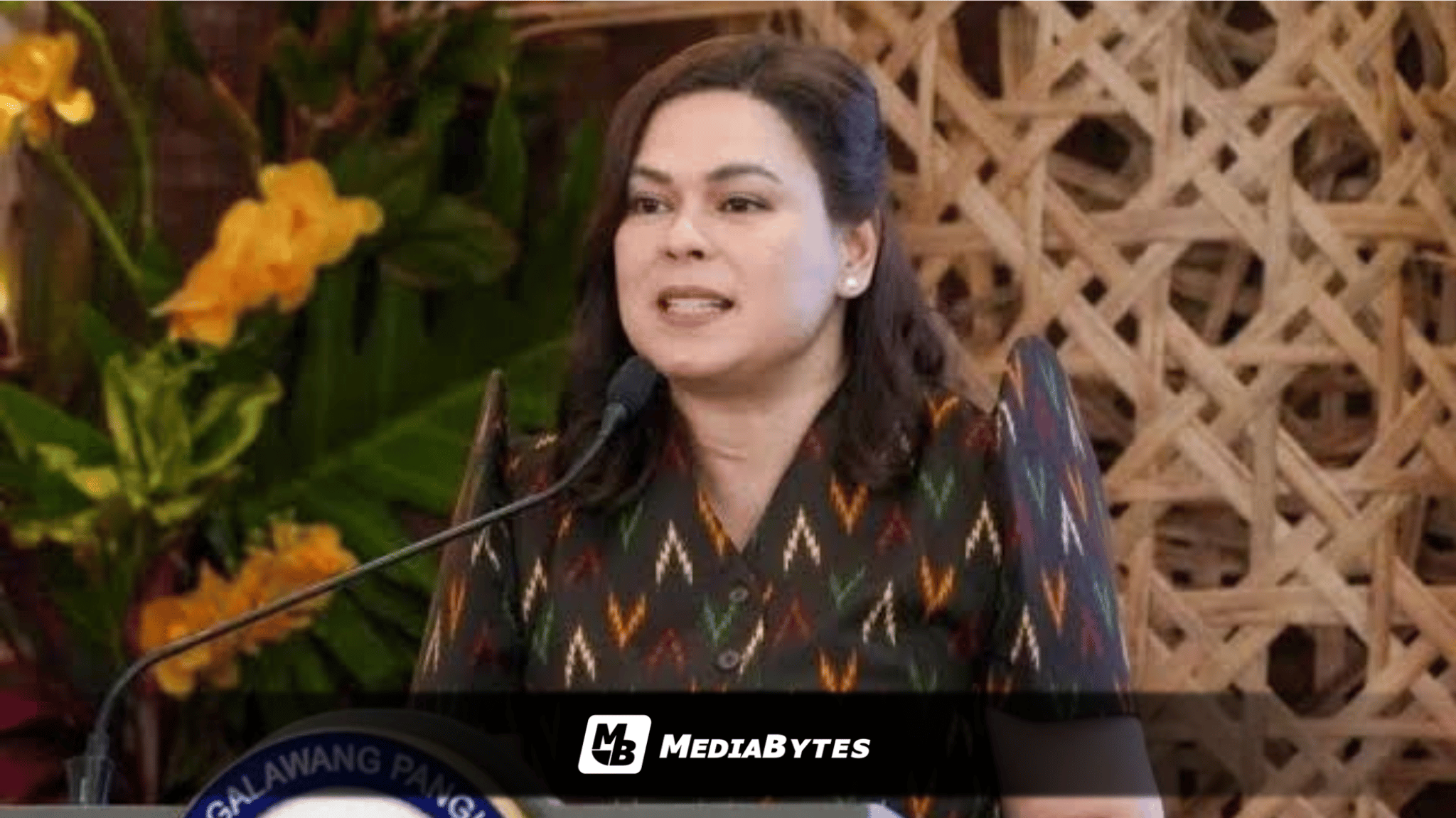
PASAY CITY, Philippines — Vice President Sara Duterte’s defense team on Monday invoked the constitutional protection against self-incrimination and the right to remain silent in opposing the prosecution’s requests for admission and proposed stipulations in her ongoing impeachment trial.
Addressing the Senate acting as an impeachment court on September 28, lead counsel Atty. Sheila Sison rejected the prosecution’s argument that the right against self-incrimination applies exclusively to criminal matters, citing jurisprudence where the Supreme Court applied the protection to administrative proceedings.
“The prosecution claims that the defense relies on authorities that only deal or involve criminal cases. That actually is not true,” Sison said.
To support the defense’s position, Sison referenced a ruling on the broad scope of the privilege:
“This court is of the opinion that in order that the constitutional provision under consideration may prove to be a real protection and not a dead letter, it must be given a liberal and broad interpretation favorable to the person invoking it.”
Sison emphasized that the guarantee also encompasses the fundamental right of an accused individual to stay silent without facing an assumption of guilt.
“As far back as 1905, we had the occasion to declare the accused has a perfect right to remain silent, and his silence cannot be used as a presumption of his guilt,” she said.
She further noted that judicial precedent protects a defendant from being forced to take the witness stand:
“It is the right of a defendant to forego testimony, to remain silent unless he chooses to take the witness stand with undiluted, unfettered exercise of his own free, genuine will,” Sison quoted from the ruling.
Sison argued that even though impeachment is classified as sui generis, or a unique legal proceeding, the core constitutional safeguards must still be upheld due to the severity of the potential outcomes.
“Now, if the Supreme Court has applied the right against self-incrimination or the right to at least remain silent as far or as early as 1969 in a mere administrative proceeding, because the proceeding, as it had determined, carries with it some penal sanction, then all the more that this should be respected in an impeachment case,” she said.
The defense attorney countered the prosecution’s stance that a request for admission under Rule 26 of the Rules of Civil Procedure does not infringe upon constitutional rights because it does not directly compel testimony.
Sison noted that failing to respond to such requests can result in an implied admission, which functions similarly to coerced evidence.
“At kung ang garantiya ng Konstitusyon natin ay pinagbabawal ang compulsion sa yung respondent o akusado na mag-testify against himself, dapat ding pagbawalan, yung pagtatangka na kumuha ng tinatawag na admission, whether this is expressed through a response sa request for admission or implied by the operation of the rule under Rule 26,” Sison stated.
Addressing the prosecution’s offer to drop the request for admission if the defense agrees to stipulate on certain facts, Sison clarified that no agreement could be reached immediately.
She explained that the defense team has not had sufficient time to inspect key evidentiary materials, including recently turned-over bank documents.
“So, yung pong request for admission, bagama’t kinikilala namin ang sinabi ngayon ng prosecution that they can withdraw the request for admission provided that we stipulate,” Sison said.
“Ang isa pa namin nakikitang concern dito, ay hindi pa ho nasisimulan ang pagmamarka ng mga dokumento na galing sa mga bangko,” she added.
Sison pointed out that marking sessions for additional evidence were still scheduled for the day of the hearing, preventing the defense from conducting a complete review.
“Ibig sabihin, wala ring sapat na panahon para makita ng respondent at ng kanyang mga abogado dokumento na ito, and there will be no basis for any stipulation today or even tomorrow or even on Wednesday,” she concluded.