


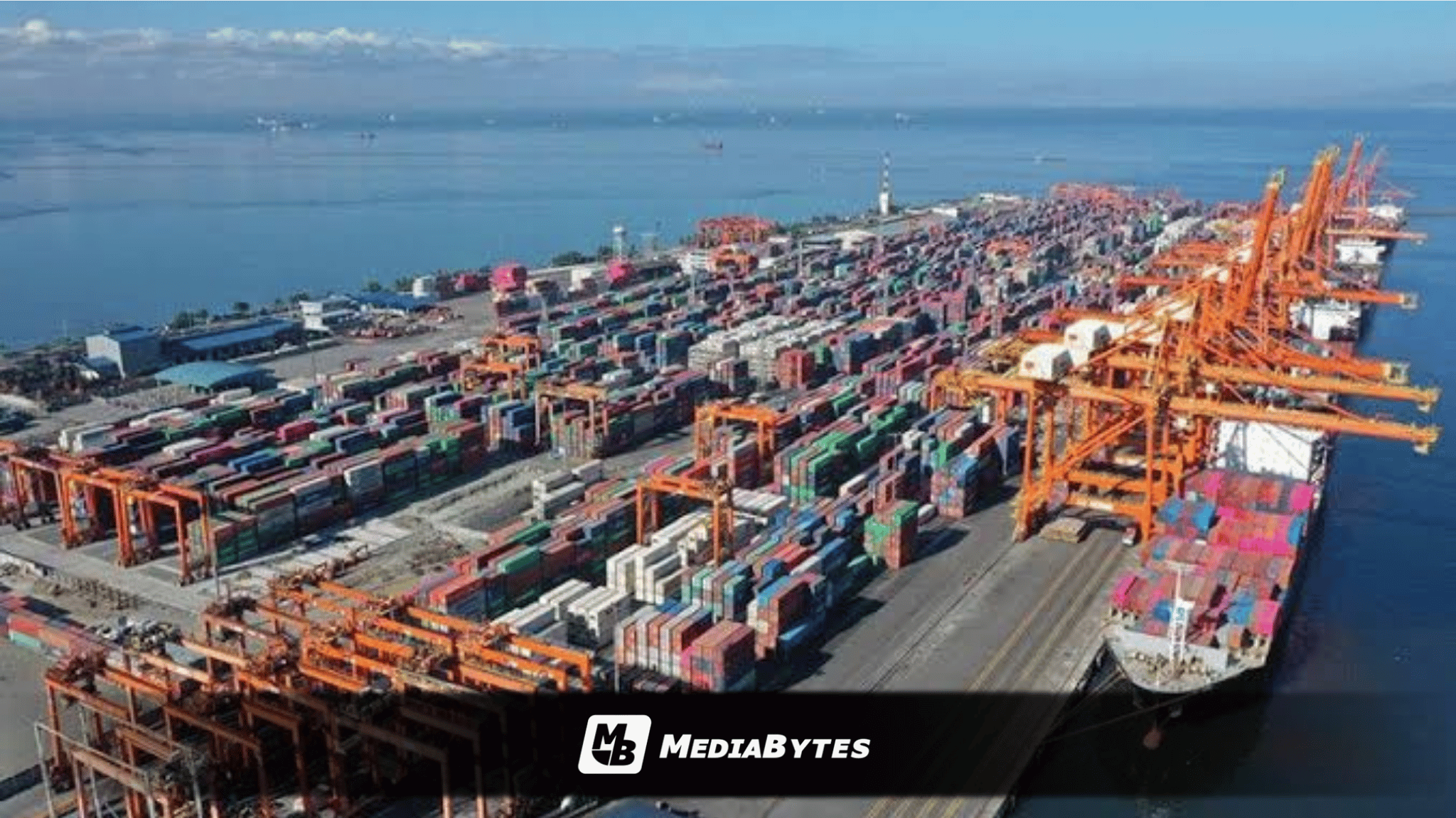
MANILA, Philippines — Inadequate container yard capacity and aging road infrastructure surrounding Manila’s ports are primary factors driving severe cargo delays, Bureau of Customs (BOC) Commissioner Ariel Nepomuceno stated on Tuesday, September 29.
Speaking at the Manila City Hall Reporters’ Association (MACHRA) Balitaan forum at Harbor View Restaurant in Ermita, Nepomuceno clarified that port bottlenecks should not be attributed solely to the BOC.
He pointed out that shipping lines, port agents, trucking operators, brokers, and importers all play critical roles in the flow of cargo containers.
A major operational hurdle involves the handling of empty containers after goods are delivered to importer warehouses. Nepomuceno explained that several shipping lines lack sufficient depot space or outright decline to receive empty units, creating severe logjams for logistics providers and cargo owners.
He added that the fees tied to container returns require a more transparent and structured framework.
The Customs chief also highlighted the fundamental limitations of the road network servicing Manila’s ports, noting that the infrastructure was constructed decades ago and has failed to match the rapid expansion of urban development and commercial activity.
”Dumami na ang populasyon, dumami na ang negosyo, nag-triple na, pero hindi naman nag-triple ang mga kalsada,” Nepomuceno said.
To alleviate long-term strain on Manila, Nepomuceno pointed to regional alternatives, such as modern port facilities in Batangas. However, he noted that the government cannot legally mandate private shipping firms and port concessionaires to relocate their commercial hubs outside the capital.
Inter-agency coordination remains another core challenge due to the absence of a unified governing mechanism. To bridge this gap, the Department of Finance, Department of Transportation, and Department of Trade and Industry are finalizing a Joint Administrative Order (JAO).
The proposed directive would designate the BOC as the lead coordinating body for port decongestion, establishing standard operating procedures to define official congestion triggers and emergency protocols. Having cleared public consultations, technical reviews, and legal vetting, the draft JAO now awaits signatures from the three cabinet secretaries.
Nepomuceno cautioned that the signed order will not instantly eliminate delays, but affirmed that the agency is accelerating internal processing. He noted that instructions have been issued to BOC personnel to complete cargo assessments within five days to allow prompt payment and release of shipments.
”Our job is to finish the assessment and the payment, then i-release na ’yon,” he said.