


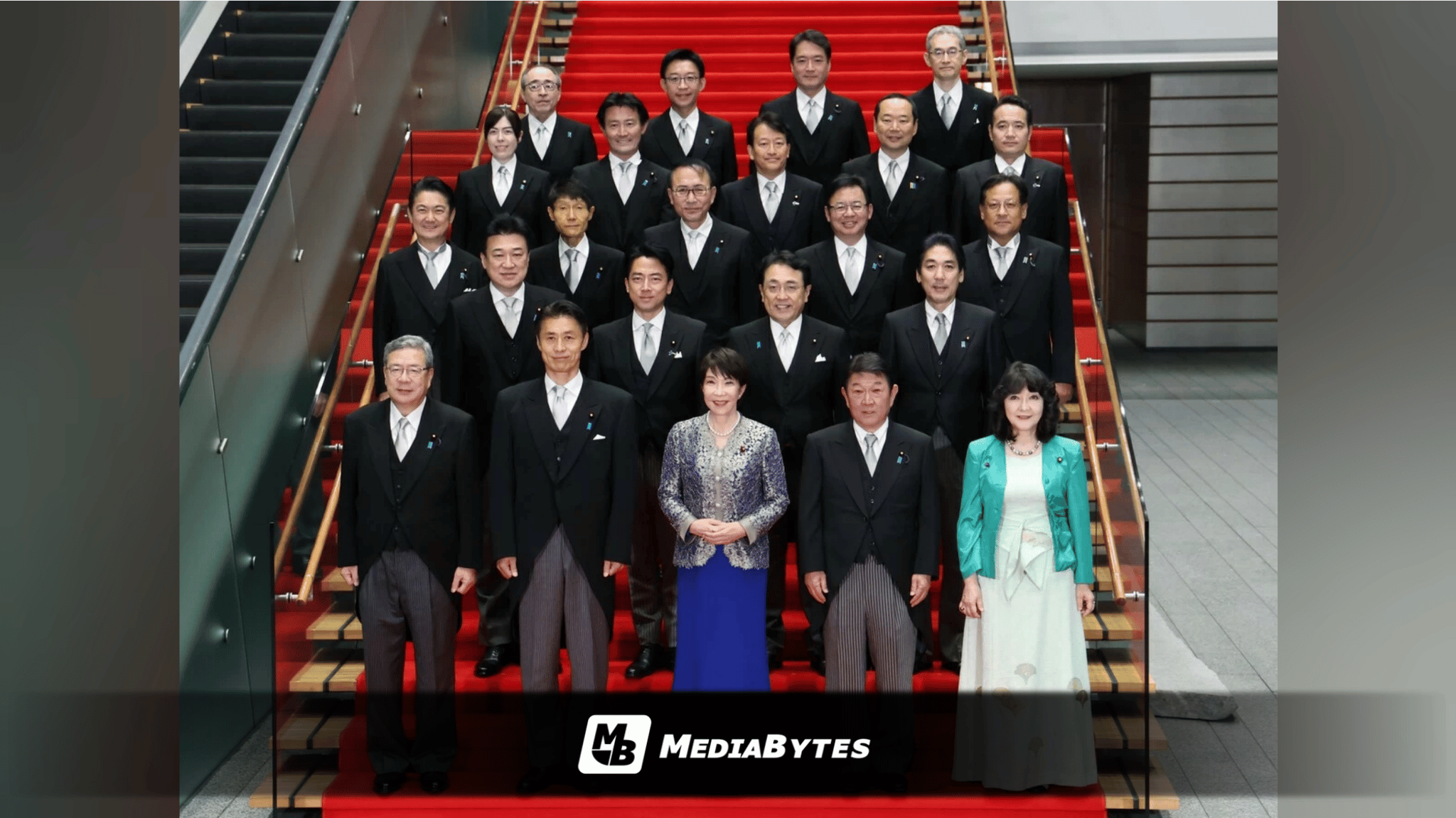
TOKYO, Japan — Japanese Prime Minister Sanae Takaichi is drawing criticism following her recent Cabinet and Liberal Democratic Party (LDP) executive reshuffle, which resulted in a decline in female representation despite earlier pledges to align Japan’s gender parity with Northern European standards.
The latest personnel changes saw the number of women across ministerial and top government positions drop by two, while all four primary LDP executive posts were allocated to men. The outcome strays from the administration’s stated gender equality benchmarks.
Female representation at the cabinet level remained flat, with Finance Minister Satsuki Katayama and Economic Security Minister Kimi Onoda as the sole female appointees alongside Takaichi. Women now account for approximately 16% of total cabinet posts.
Beyond the cabinet, female representation among state ministers and parliamentary vice ministers fell from eight to six. Within party leadership, Haruko Arimura was stepped down as General Council chair, leaving Takaichi and Public Relations Headquarters head Takako Suzuki as the only female figures among the 14 senior party executives.
During last year’s LDP presidential race, Takaichi vowed to build a cabinet and party leadership boasting gender parity comparable to Northern European nations, where women typically occupy around half of all ministerial seats.
Japan’s systemic gender gap remains pronounced. In the World Economic Forum’s 2026 Gender Gap Index, Japan placed 121st out of 145 countries in political empowerment—a ranking determined by female ministerial representation, parliamentary ratios, and years with a female head of state over the past half-century.
Although Takaichi’s historic election as Japan’s first female prime minister sparked hopes for rapid progress, her policy approach has prioritized “equal opportunities” over gender-based reservation quotas.
A senior government official defended the appointments, stating the selections were “based on merit” and made without consideration of gender.
The appointments contrast with the administration’s sixth basic plan for gender equality released this spring, which described placing women in decision-making roles as “extremely important from the viewpoint of securing substantial equality of opportunity between men and women.”
The framework maintained the target of raising female representation in leadership roles to roughly 30% as early as possible in the 2020s.
As part of the reshuffle, Takaichi directed Justice Minister Takashi Yamashita, who also handles the gender equality and women’s empowerment portfolio, to foster conditions enabling women to participate in decision-making across all societal sectors.
With key outcomes remaining below official policy goals, the administration’s resolve to execute its gender equality targets faces increasing political scrutiny.