


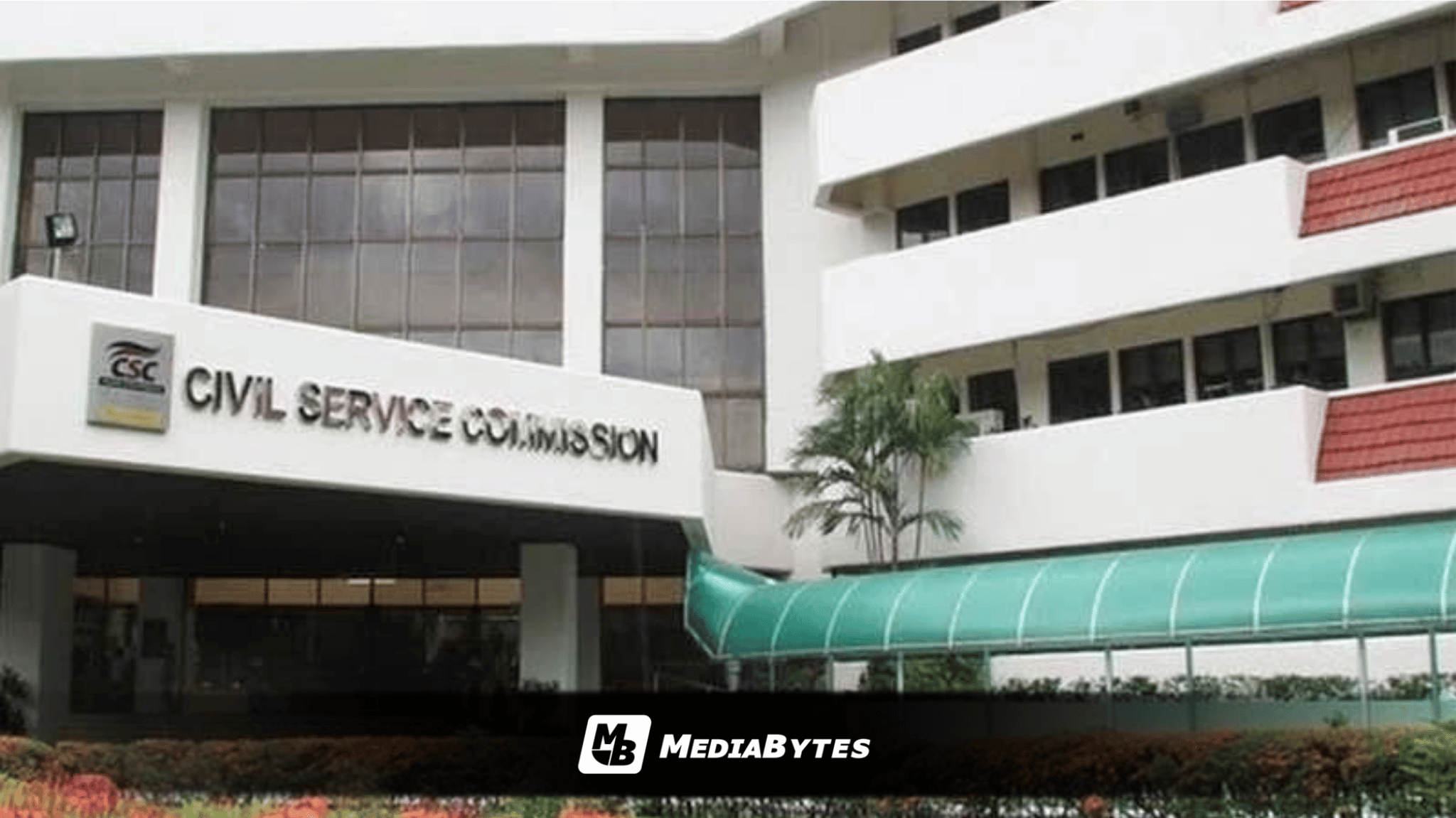
MANILA, Philippines — The Civil Service Commission (CSC) is laying the groundwork for key policy reforms meant to expedite public sector recruitment and strengthen oversight over long-unfilled government roles and delayed career advancements starting in 2027.
During a Senate budget hearing on Monday, CSC Chairperson Marilyn Barua-Yap shared that the commission plans to transition toward a skill-based evaluation setup, enabling government offices to gauge an applicant’s technical proficiency earlier in the hiring pipeline.
“Hopefully in 2027, we can make this as an official policy of the Civil Service Commission. Kasi ang shift po naman natin ngayon is all competency-based, hindi na lang po iyong basta minimum basic qualifications,” Barua-Yap said.
The policy shift builds on CSC Resolution No. 2600005, which mandates government agencies to adopt competency-centered human resource management frameworks across recruitment, performance evaluation, professional development, and other HR practices.
Barua-Yap noted that the existing recruitment procedure often stretches out because candidates meeting baseline requirements for education, training, eligibility, and work history advance through multiple evaluation rounds even if they lack the precise technical skills required for the role.
Under the planned setup, skill assessments would happen earlier in the application process. For example, an applicant seeking an internal auditor post would be evaluated for relevant auditing expertise before moving forward to subsequent recruitment stages.
The issue of persistent job vacancies and stagnant career mobility was raised by Senator Erwin Tulfo, who questioned why thousands of funded plantilla positions remain open while long-serving civil servants are frequently passed over for advancement.
“Who persuades this agency’s head of agency? Can you do that? Can you ask them, like, Secretary, kailan po kaya ma-fill up ito?” Tulfo asked.
Barua-Yap clarified that appointing authorities and agency heads hold the final power regarding appointments and advancements, leaving the CSC primarily with monitoring and oversight functions under the existing regulatory setup.
To improve supervisory capabilities, the commission is developing a comprehensive human resource information system designed to give real-time visibility into government staffing metrics, active vacancies, published job openings, and ongoing promotion proceedings.
The platform will also help the agency evaluate whether government entities are actively resolving vacancies and utilizing qualified internal personnel.
“Makikita mo, hindi ninyo fini-fill up ito, bakit? Ito pala, marami naman puwedeng i-promote. Bakit hindi kayo nagpo-promote?” Barua-Yap said.
The system will integrate records from agency-level human resource merit promotion and selection boards, enabling the CSC to pinpoint staffing bottlenecks and introduce targeted interventions based on real-time workforce data.
Tulfo observed that the overhaul could help resolve grievances from qualified government personnel who feel routinely bypassed for earned promotions or career appointments.
While acknowledging that the commission regularly receives complaints regarding promotions, Barua-Yap stressed that agency leaders maintain administrative discretion over final candidate selection provided applicants meet basic eligibility criteria.
Alongside competency-based recruitment, the commission is reviewing existing government qualification standards and upgrading certification programs for HR officers as part of its broader administrative modernizations.
The proposed policy changes were presented during the defense of the CSC’s 2027 budget proposal, where the agency also requested the restoration of ₱783 million in unfunded allocations earmarked for field operations and digital modernization initiatives.