


MANILA, Philippines — Senator Jinggoy Estrada has called on the Senate to launch an inquiry into the national government’s readiness for a potential “supersized” El Niño phenomenon that experts warn could persist until 2027.
Under Senate Resolution No. 656, Estrada urged relevant Senate committees to conduct a formal assessment to ensure state agencies are proactive and fully equipped before the extreme weather pattern reaches its peak.
“The warnings are already on the table—from our own weather bureau, from international experts. What we need now is to make sure our government is ready to respond, not just on paper, but on the ground,” Estrada said.
The lawmaker cited the provisions of Republic Act No. 12287, or the Declaration of State of Imminent Disaster Act, to underscore the necessity of early operational planning. Authored and sponsored by Estrada, the landmark law marks the country’s first legislative framework designed specifically for anticipatory disaster management.
The statute authorizes the executive branch to formally declare a “State of Imminent Disaster” prior to a forecasted calamity, enabling local and national agencies to mobilize resources, initiate emergency measures, and release necessary funding ahead of time.
”RA 12287 was designed precisely for forecasted hazards with severe impacts on the population. For moments like this, when science tells us disaster is imminent, we must act before devastation strikes,” he emphasized.
”We cannot afford to wait for calamity to hit; we must, and should, prepare right away,” he stressed.
In his resolution, Estrada highlighted an official advisory issued on September 6, 2026, by the Philippine Atmospheric, Geophysical and Astronomical Services Administration (PAGASA). The state weather bureau reported that a moderate-to-strong El Niño is currently active across the tropical Pacific and warned that it could escalate into a very strong event before year-end.
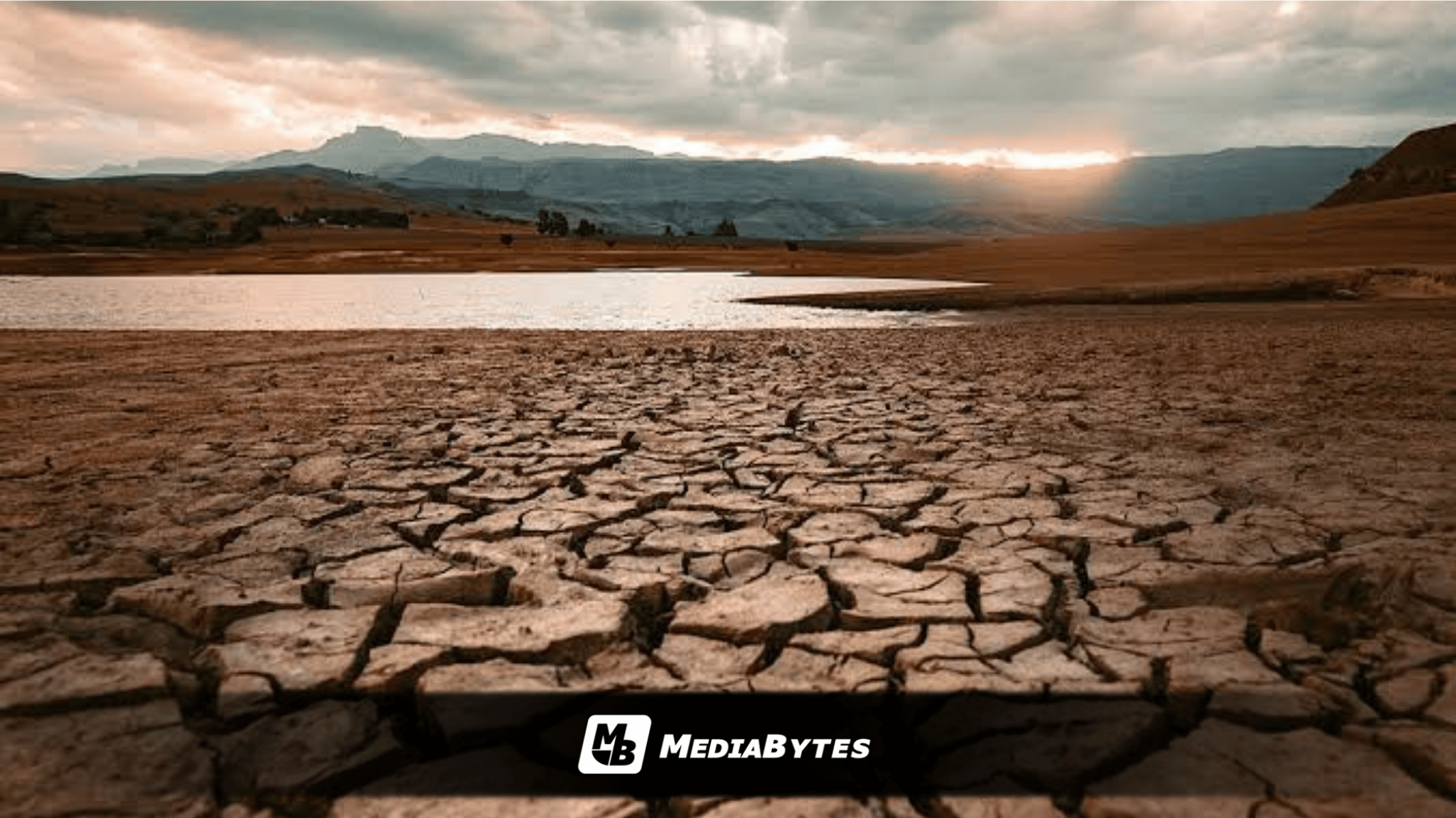
PAGASA noted that while the weather anomaly threatens severe dry spells and drought in several regions, it may simultaneously trigger above-normal rainfall in other areas.
The warning aligns with global climate alerts from the World Meteorological Organization (WMO). WMO Secretary-General Celeste Saulo previously cautioned that the ongoing weather trend “has the potential to deliver a massive blow to communities and economies across the world.”
“This exceptional El Niño demands exceptional preparation and response,” Saulo noted.
Observing that many regions in the Philippines are still recovering from recent monsoonal floods and a series of tropical cyclones, Estrada emphasized that Congress must exercise its oversight functions to verify if key legislation—including the Philippine Disaster Risk Reduction and Management Act and the Climate Change Act—is being translated into effective action.
”We already have the laws in place. What this resolution seeks to find out is whether our agencies are truly ready to use them — whether our contingency plans are real, whether our resources are sufficient, and whether the most vulnerable communities will be protected when this El Niño hits its peak,” Estrada said.