


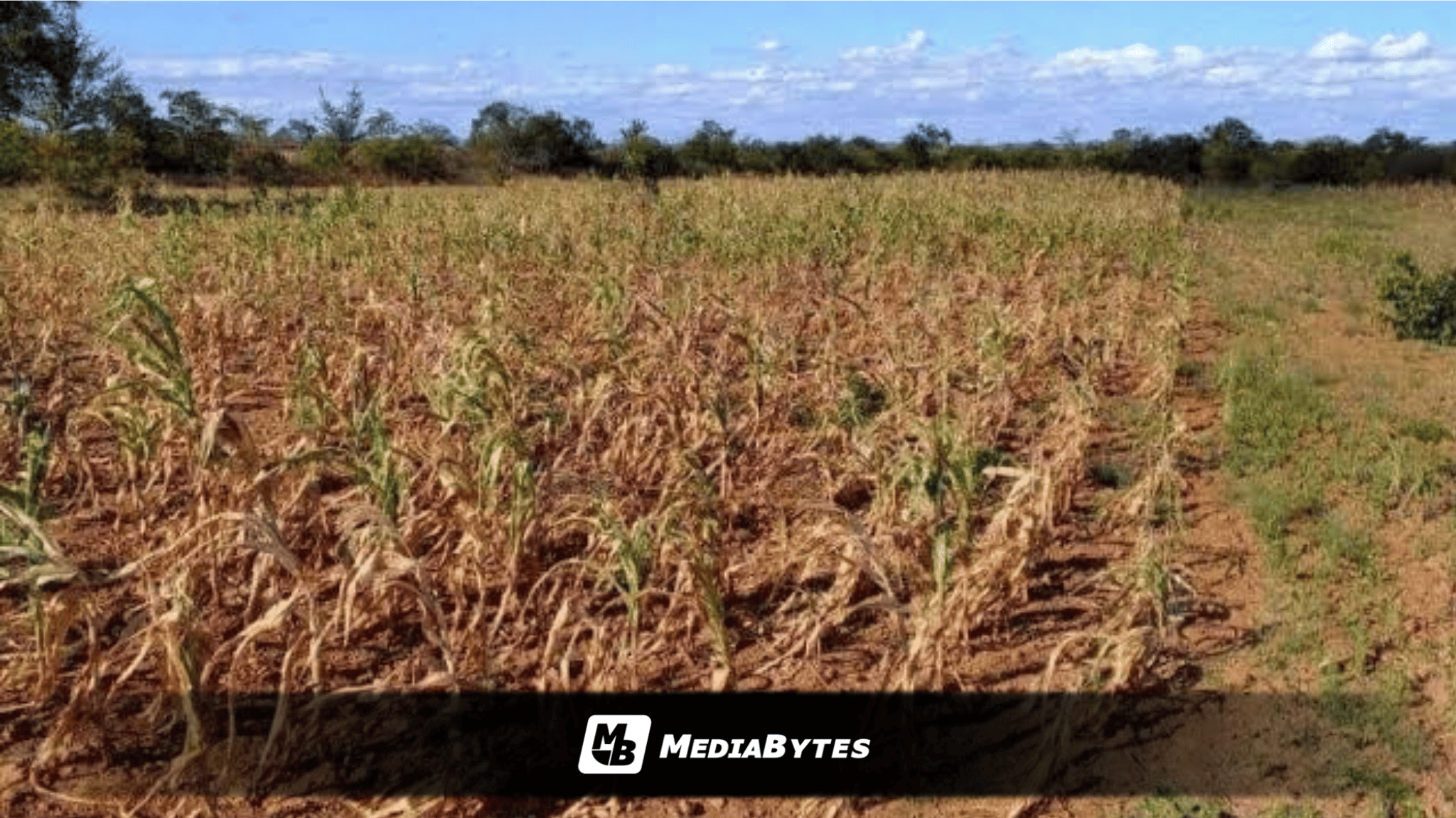
QUEZON CITY, Philippines — The Department of Social Welfare and Development (DSWD) is stepping up measures to protect vulnerable communities against prospective water scarcity, food shortages, and severe heat driven by a forecasted “very strong” El Niño.
DSWD Assistant Secretary Irene Dumlao announced that the agency is actively executing risk reduction and readiness strategies through its Risk Resiliency Program-Climate Change Adaptation and Mitigation (RRP-CCAM).
“One of the measures being implemented by the DSWD is our Risk Resiliency Program-Climate Change Adaptation and Mitigation, which includes the Project Local Adaptation to Water Access (LAWA) and Breaking Insufficiency through Nutritious Harvest for the Impoverished (BINHI),” she said.
Dumlao highlighted that the LAWA and BINHI initiatives leverage tech-backed, community-level programs to empower residents against changing climate patterns and secure their essential needs.
“We are focused on water access and water sufficiency, and of course, food security is also one of the concerns we are addressing. We do not only act when disasters occur. We also make sure to build the capacity of vulnerable sectors so they can prepare for and address their needs when other climate hazards affect their areas,” she said.
To date, the agency has built 5,311 LAWA infrastructure sites across the country—encompassing agricultural reservoirs, irrigation networks, and restored water channels—alongside 8,671 BINHI locations featuring communal vegetable gardens and root crop plots.
As part of its technological response to water scarcity, Social Welfare Secretary Rex Gatchalian launched a hybrid-powered Atmospheric Water Generator (AWG) system under the KALAHI-CIDSS initiative on September 28. The machinery harvests ambient air humidity to generate safe drinking water for residents of Barangay Gilotongan in Cawayan, Masbate.
Furthermore, the DSWD is monitoring storage conditions to safeguard stocked relief supplies from high temperatures.
“There is temperature monitoring in our warehouses, so we know that we are following the parameters to make sure that our goods are not spoiled or damaged while in storage. Again, we monitor the temperature in our warehouses, and we are also installing industrial ceiling fans to help manage the temperature,” Dumlao explained.
The department is also collaborating with local government units to incorporate heat insulation features into disaster evacuation facilities.
“Just recently, we also started working on the installation of heat-insulated areas, especially in evacuation centers. The routing of our Joint Memorandum Circular is also ongoing, and it includes such measures for evacuation centers,” Dumlao said.
Additionally, water purification vehicles and alternative tech solutions are being deployed to guarantee clean water availability in regions most susceptible to dry spells.