


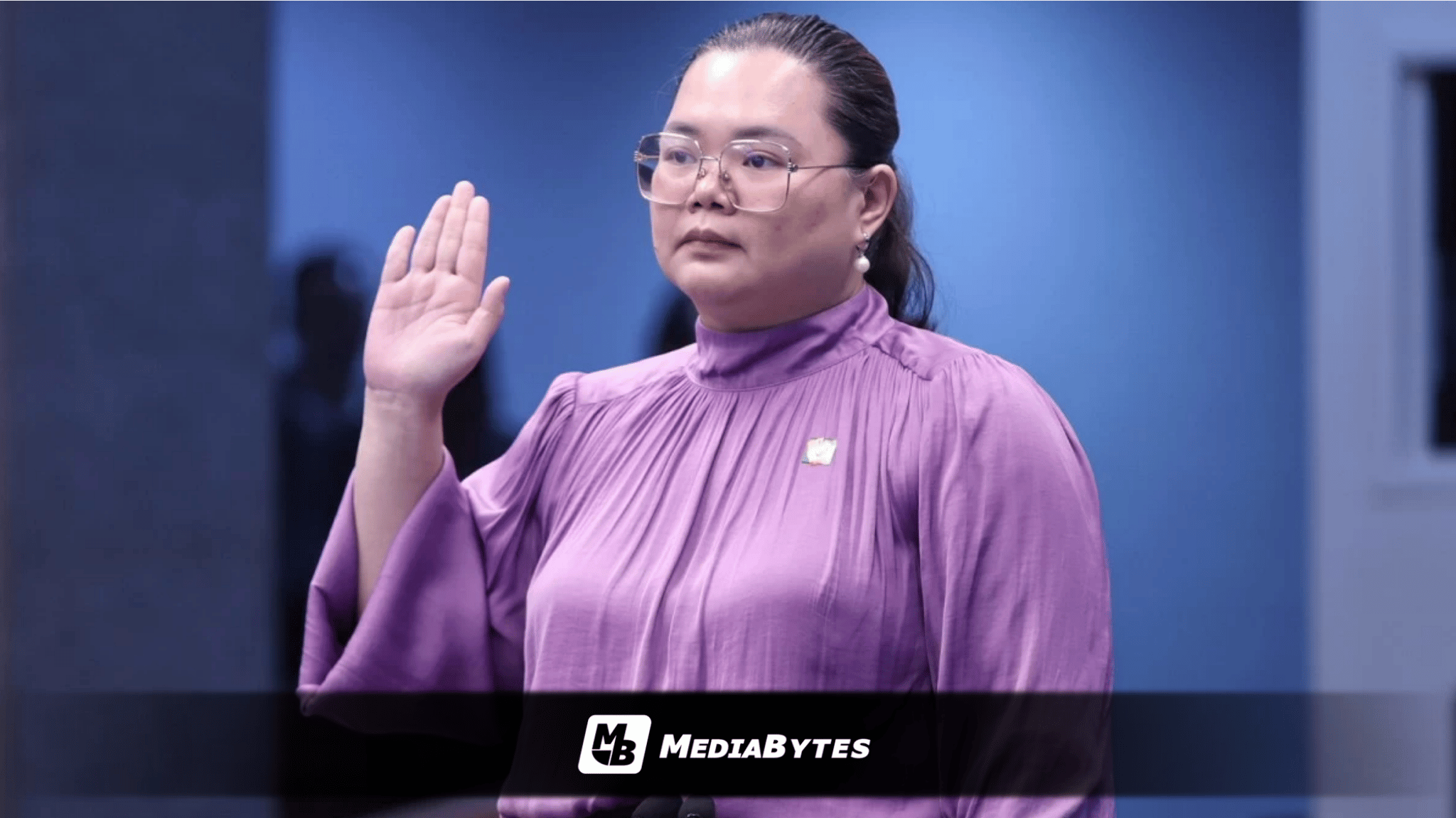
PASAY CITY, Philippines — A Metrobank official clarified before the Senate Impeachment Court on Wednesday, October 7, that suspicious transaction reports (STRs) are submitted following rigorous internal evaluation rather than sole reliance on media coverage or rumors.
Testifying on the 25th day of Vice President Sara Duterte’s impeachment trial, Metrobank Anti-Money Laundering Division Head Atty. Niña Aguilar addressed inquiries from Senators Risa Hontiveros and Francis “Kiko” Pangilinan regarding how financial institutions handle flagged accounts.
During the proceedings, Hontiveros questioned the precise triggers that lead a bank to file reports with the Anti-Money Laundering Council (AMLC).
“Once a controversial news about a client is this reported immediately to the AMLC as STR or is it considered a covered person, in this case, the bank, the circumstance of the transactions?” Hontiveros asked.
“Including the amount, account activity profiles of the sender and receiver of the money, and others?” the senator added.
Aguilar explained that while unfavorable media coverage serves as an initial red flag, it initiates a comprehensive review rather than an automatic report.
“For suspicious transaction reporting based on negative media, we generally file an STR if we have identified our customer to be the subject of the negative media and conduct further review on the transactions,” Aguilar said.
“And if it is warranted, we would file additional suspicious transaction reports after the review of the transactions, your honor,” she added.
The testimony comes a day after AMLC Executive Director Ronel Buenaventura noted that several STRs associated with Duterte and her spouse, Atty. Manases “Mans” Carpio, referenced news items under remarks citing potential malversation.
That revelation led Senate Minority Leader Alan Peter Cayetano to criticize reporting mechanisms that depend on media reports without independent verification, comparing the practice to unverified gossip.
Addressing Pangilinan’s follow-up questions, Aguilar confirmed that banks exercise strict due diligence to avoid filing reports based on unfounded news stories.
“Yes, your honor,” Aguilar said in response to Pangilinan’s question.
Aguilar also noted that front-line banking staff cannot bypass internal governance channels to file reports directly with regulators.
“Those STRs…they go through my division, anti-money laundering division, and would require my approval as well before filing with the AMLC,” she said.