


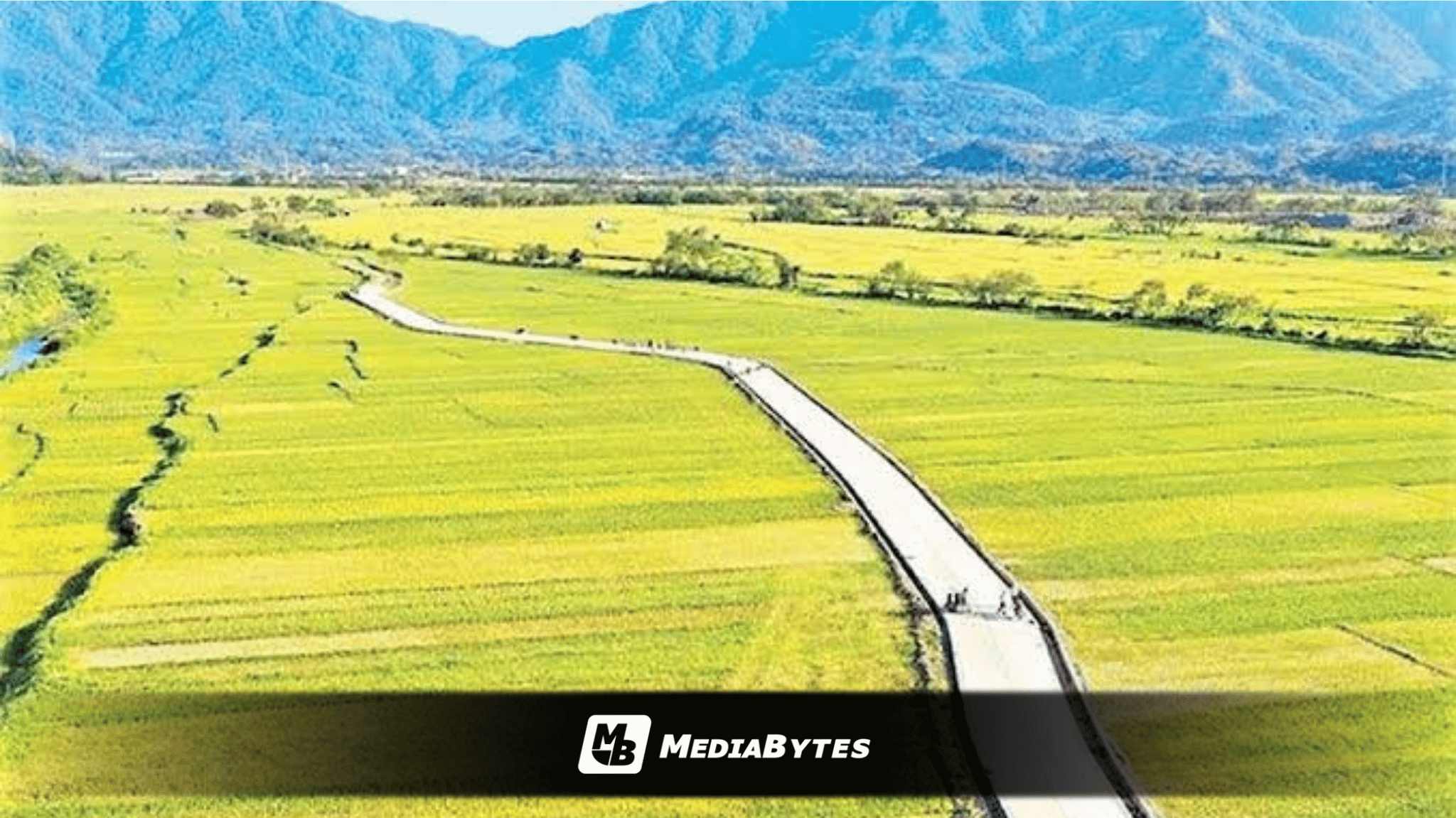
MANILA, Philippines — The Department of Agriculture (DA) and the Department of Public Works and Highways (DPWH) have partnered to build over ₱9 billion worth of farm-to-market road (FMR) projects nationwide to boost agricultural connectivity.
In a statement released Tuesday, October 6, the DA announced the signing of a memorandum of agreement (MOA) with the DPWH for the implementation of 605 FMR projects valued at approximately ₱9.06 billion.
Covering a total distance of 604 kilometers, the infrastructure initiatives are designated across 26 provinces in northern and central Luzon, specifically within the Ilocos, Cagayan Valley, Central Luzon, Calabarzon, and Cordillera Administrative Region (CAR) territories.
The DA had previously assumed full responsibility over FMR construction following the discovery of fraudulent “ghost” projects under the public works department, alongside widespread corruption issues surrounding flood control programs. However, under this year’s General Appropriations Act (GAA), the DPWH is permitted to re-engage in FMR development through inter-agency MOAs with the agriculture department.
This latest agreement taps the DPWH to execute more than a quarter of the DA’s total ₱33-billion FMR budget for the current year.
Under existing execution frameworks, the DA retains authority over setting technical standards, auditing detailed engineering designs, disbursing funds, and monitoring overall project progress. The DPWH, on the other hand, handles public bidding, contract awards, direct site supervision, quality control, and ensuring contractor compliance.
Agriculture Secretary Francisco Tiu Laurel highlighted that collaborating with the DPWH will help expedite the rollout of the country’s FMR network, which encompasses over 1,600 individual projects in this year’s national budget alone.
According to Tiu Laurel, enhanced road networks will directly raise farmers’ earnings by lowering logistics costs when moving agricultural supplies to farms and harvested produce to major market centers.
The planned infrastructure will primarily facilitate the transport of palay (unmilled rice), fresh produce, livestock, and other essential agricultural commodities.
“For farmers, poor road conditions can increase hauling costs, limit access to buyers, and complicate the delivery of seeds, fertilizer, and other agricultural inputs. Improving these connections can help translate increased farm production into better returns for farmers,” the DA said.