


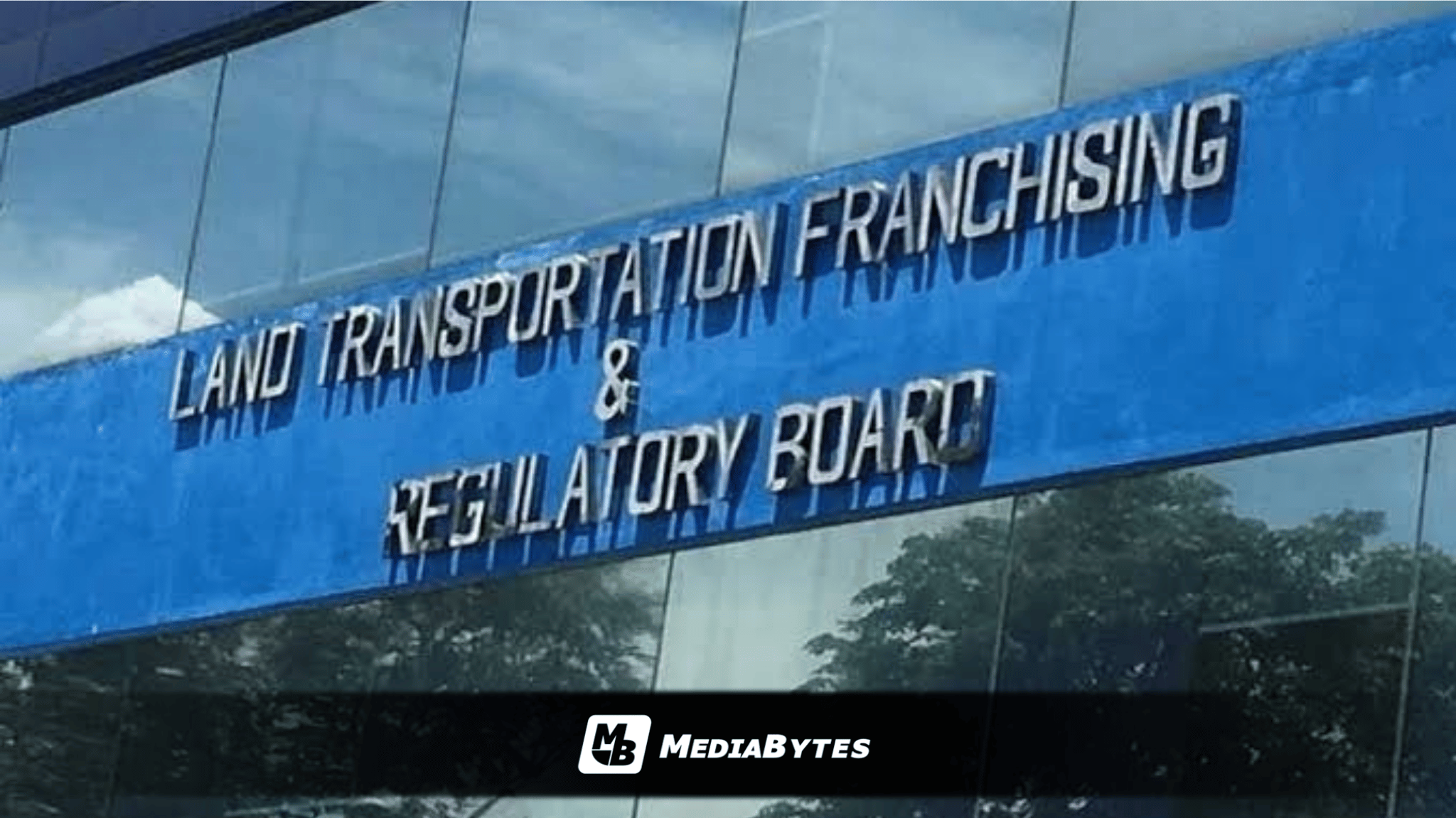
QUEZON CITY, Philippines — The Land Transportation Franchising and Regulatory Board (LTFRB) confirmed that multiple Transport Network Companies (TNCs) allowed Transport Network Vehicle Service (TNVS) operators to use their platforms despite lacking mandatory government authorization.
The discovery followed an investigation into an industry practice known as “tempo” (temporary), where TNCs activate vehicles on digital platforms before securing necessary agency permits, enabling unauthorized drivers to accept passenger rides in violation of transport regulations.
The extent of the scheme surfaced during a fuel subsidy distribution, when driver rosters submitted by TNCs exceeded the official number of active franchises issued by the regulator, revealing hundreds of unauthorized units operating across Metro Manila and nearby provinces.
Despite the violations, Transportation Secretary Giovanni Lopez stated that affected drivers should not face punishment, noting that many invested heavily and entered the system in good faith, believing the TNCs had properly onboarded them.
To address the situation, the LTFRB announced on Wednesday, October 7, a temporary policy allowing qualified “tempo” operators in Metro Manila to secure standard operating credentials.
Acting LTFRB Chairman Atty. Greg Pua Jr. noted that the application period starts Thursday, October 8, and will run for 30 calendar days through the agency’s official digital platform or designated portals. Applications can be submitted directly by individual operators or by accredited TNCs acting on their behalf.
Pua stressed that the initiative protects drivers from suffering due to regulatory infractions committed by the platform companies.
“It is the policy of both the DOTr and the LTFRB that no driver or operator be left behind by a regulatory intervention occasioned by the fault of another,” Pua said.
“And denying them an opportunity to regularize would cause undue hardship and disrupt the continuity of adequate transport services,” he added.
The agency emphasized that the program applies strictly to unauthorized vehicles already listed in validated masterlists gathered during the probe and does not signify a general reopening of TNVS franchise applications, nor does it clear TNCs of administrative liability.
Coverage is limited to units operating within the Metro Manila Urban Transportation Integration Study Update and Capacity Enhancement Program (MUCEP) area, with late filings automatically rejected. The number of regularization slots will strictly match the count of confirmed unauthorized vehicles in official records.
To streamline the process, insurance verification will be automated. Applicants no longer need to upload Personal Passenger Accident Insurance (PPAI) files manually; instead, policies acquired from accredited providers integrated into the LTFRB digital portal will automatically sync to their accounts.
Participating vehicles must also satisfy standard safety guidelines. Only vehicles with plate numbers included in the validated masterlist are eligible, and each unit must pass a roadworthiness evaluation at an LTFRB-accredited Private Motor Vehicle Inspection Center (PMVIC), which will send digital proof directly to the agency before a Provisional Authority (PA) can be issued.
Additionally, the agency’s standard seven-year maximum vehicle age limit remains active. While overage units are disqualified, operators are permitted to substitute them with compliant vehicles under existing regulations to qualify for official approval.