


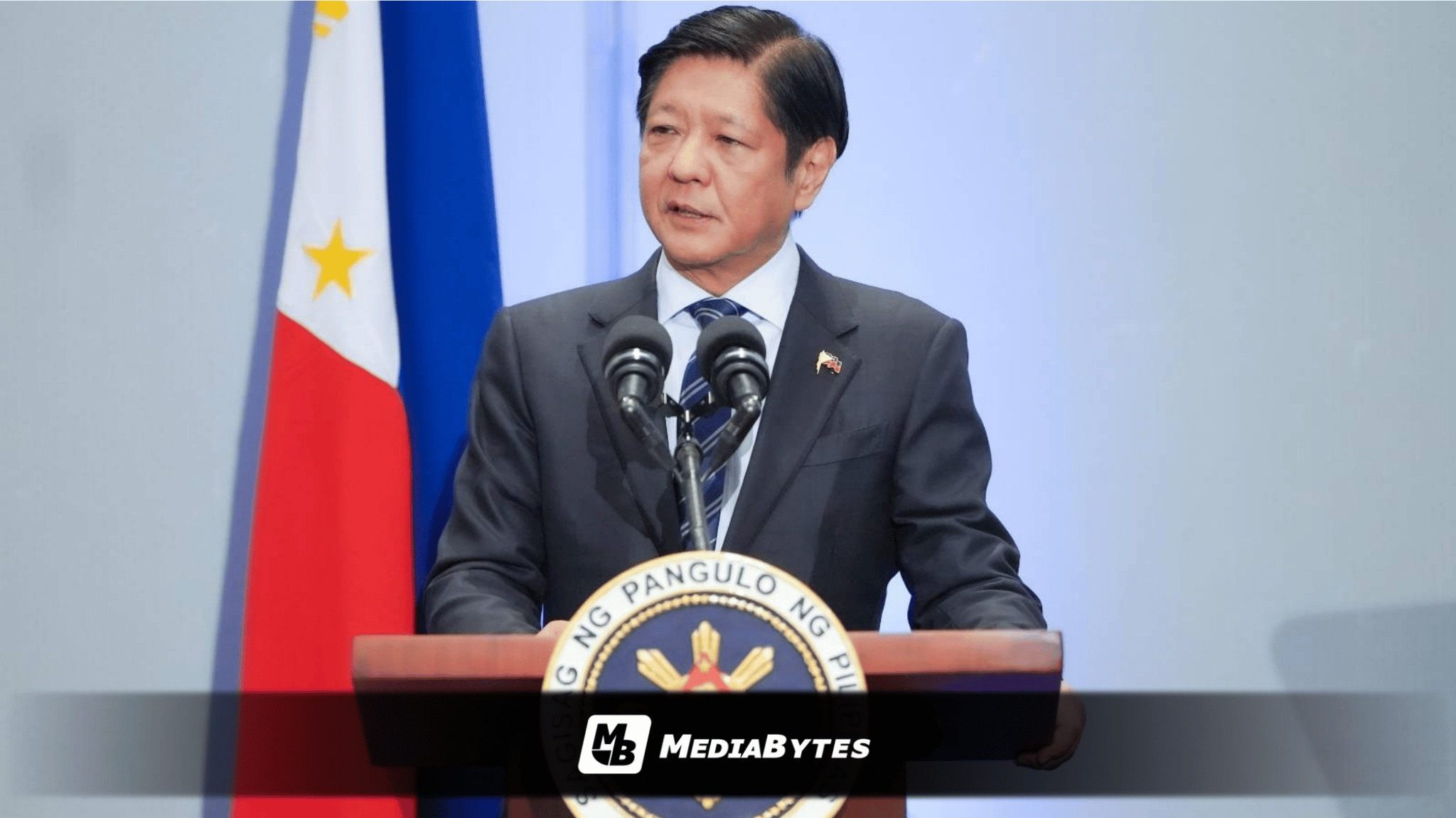
SINGAPORE — President Ferdinand Marcos Jr. has directed government agencies to guarantee stable supplies of food, fuel, and electricity as national inflation quickened to 7.2%, Malacañang announced on Wednesday, October 7.
Speaking during a press briefing in Singapore, Communications Undersecretary and Palace Press Officer Claire Castro revealed that the Chief Executive conferred with Executive Secretary Ralph Recto prior to his departure to formulate strategies aimed at tempering price surges.
According to Castro, the administration’s main focus is maintaining adequate reserves of basic necessities in light of ongoing conflict in the Middle East, recent natural disasters, and persistent market pressures.
She noted that President Marcos issued explicit directions to safeguard energy reserves, warning that severe supply constraints could cripple commercial operations and destabilize the broader economy.
”Kapag nahinto ang supply ng fuel, sobra po ang magiging epekto nito sa bansa natin at baka talaga magkaroon ng paghinto ang mga businesses at mas lalong malaki ang epekto sa ating ekonomiya,” she said.
To cushion consumers from escalating living costs, the chief press officer outlined existing relief initiatives, such as the removal of the 12% value-added tax applied to allowable system loss charges on power bills.
The administration is also actively managing pork inventories in anticipation of increased holiday demand, while continuing relief under the UPLIFT framework, which encompasses the Walang Gutom, TUPAD, and Free Rice programs.
Castro added that target support will persist for transport sector workers, with fuel subsidies being distributed to public utility vehicle operators alongside the planned expansion of Kadiwa centers nationwide.
While expressing hope that global geopolitical tensions will de-escalate, Castro affirmed that the government remains prepared for potential price hikes driven by international fuel volatility and domestic threats like El Niño on agricultural yields.