


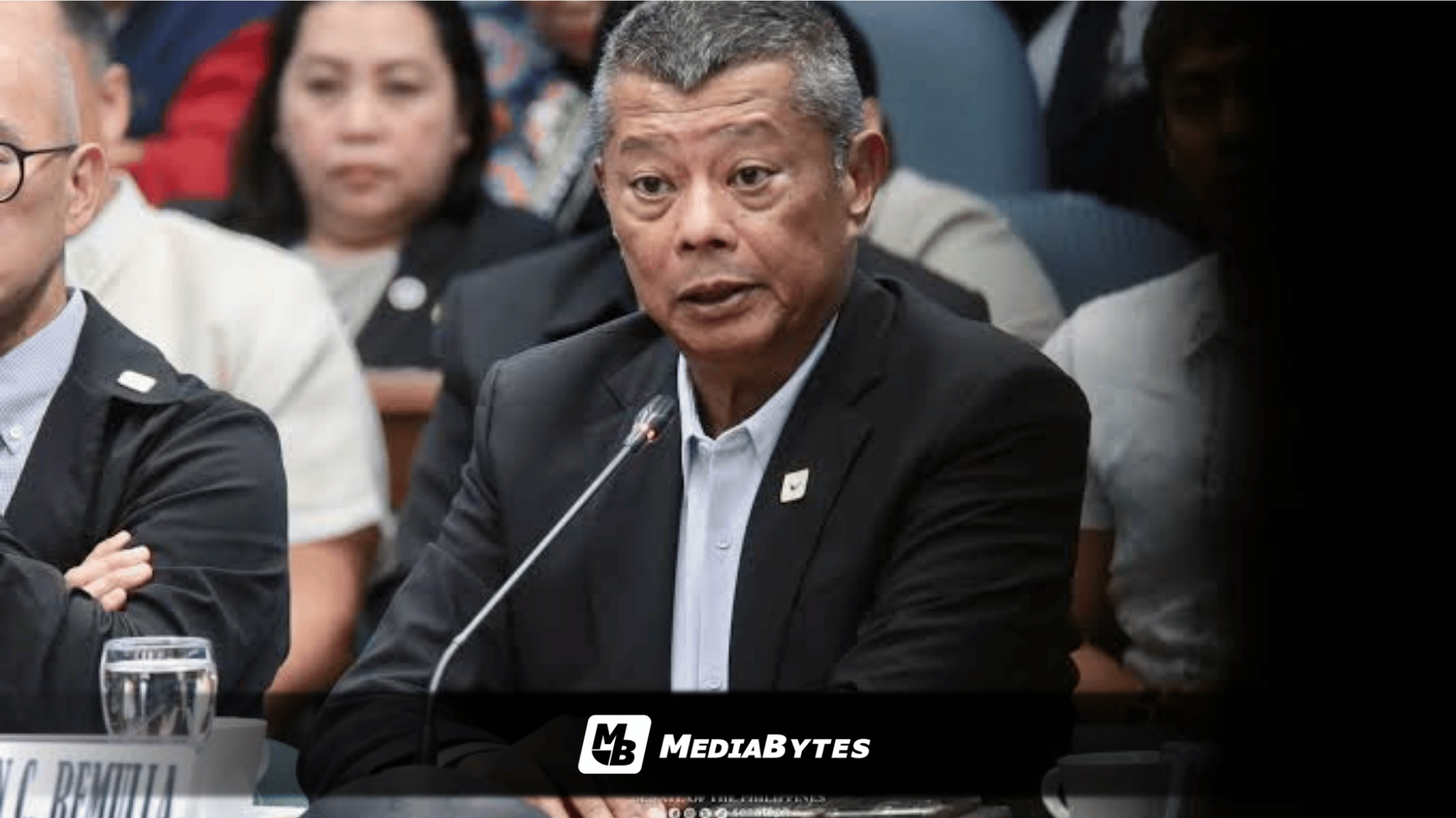
MANILA, Philippines — Ombudsman Jesus Crispin “Boying” Remulla has formally asked the Supreme Court to reevaluate a key legal precedent from the 2016 Macapagal-Arroyo vs. the People ruling, noting that it creates major loopholes for high-level corruption.
Delivering a speech on Monday, October 12, marking his first year in office, Remulla pointed out that the high court’s previous ruling—written by then-Justice Lucas Bersamin—introduced elements into the plunder law that were never originally enacted by Congress.
“’Cause right now, a doctrine stands in the way. In 2016, in Macapagal-Arroyo vs. the People, the Supreme Court, in a decision penned by then Justice Lucas Bersamin, read into the plunder law two requirements that Congress never wrote,” Remulla said.
“First, the prosecution must name a main plunderer, and second, it must prove that the accused personally received or benefited from the stolen money,” he added.
Arguing that the current doctrine shields sophisticated operators who mask their illicit activities behind dummies, shell companies, and intermediaries, Remulla appealed directly to the high tribunal.
“Kaya sinasabi ko ito nang may buong paggalang sa Kataas-taasang Hukuman: It’s time to revisit it,” Remulla said.
“Think about what that means: The smarter the thief, the safer he is. Pass the money through enough dummies, middlemen, and shell companies, and no one can be shown to have touched it,” he added.
According to the Ombudsman, these judicial hurdles weaken the state’s capacity to dismantle large criminal syndicates designed to loot billions of pesos in public funds.
“Ang batas laban sa pandarambong ay ginawa para panagutin ang mga nagnanakaw ng bilyon-bilyon. Pero sa doktrinang ito, ang pinakamalaking sindikato ang pinakamahirap mahuli,” he noted.
Remulla connected his concerns directly to ongoing investigations into alleged corruption within flood control projects, which typically involve complex layers of multi-tiered contractors and obscure financial movements.
“And the flood control scheme is exactly that kind of scheme—many hands, many layers of contractors and money moving through accounts that do not carry the names of those who profited,” he stated.
“Hindi po ’yan hustisya, panangga lang po ’yan,” he stressed.
While reaffirming his respect for judicial independence, Remulla expressed optimism that the judiciary would align its legal interpretations with the true anti-corruption spirit of the law.
“We expect our courts to be what the Constitution asks of them—impartial, independent, and attuned to the times. And we hope they would see the power they hold—the power to interpret the law so that it works against those who plunder, not as a shield for them,” he concluded.