


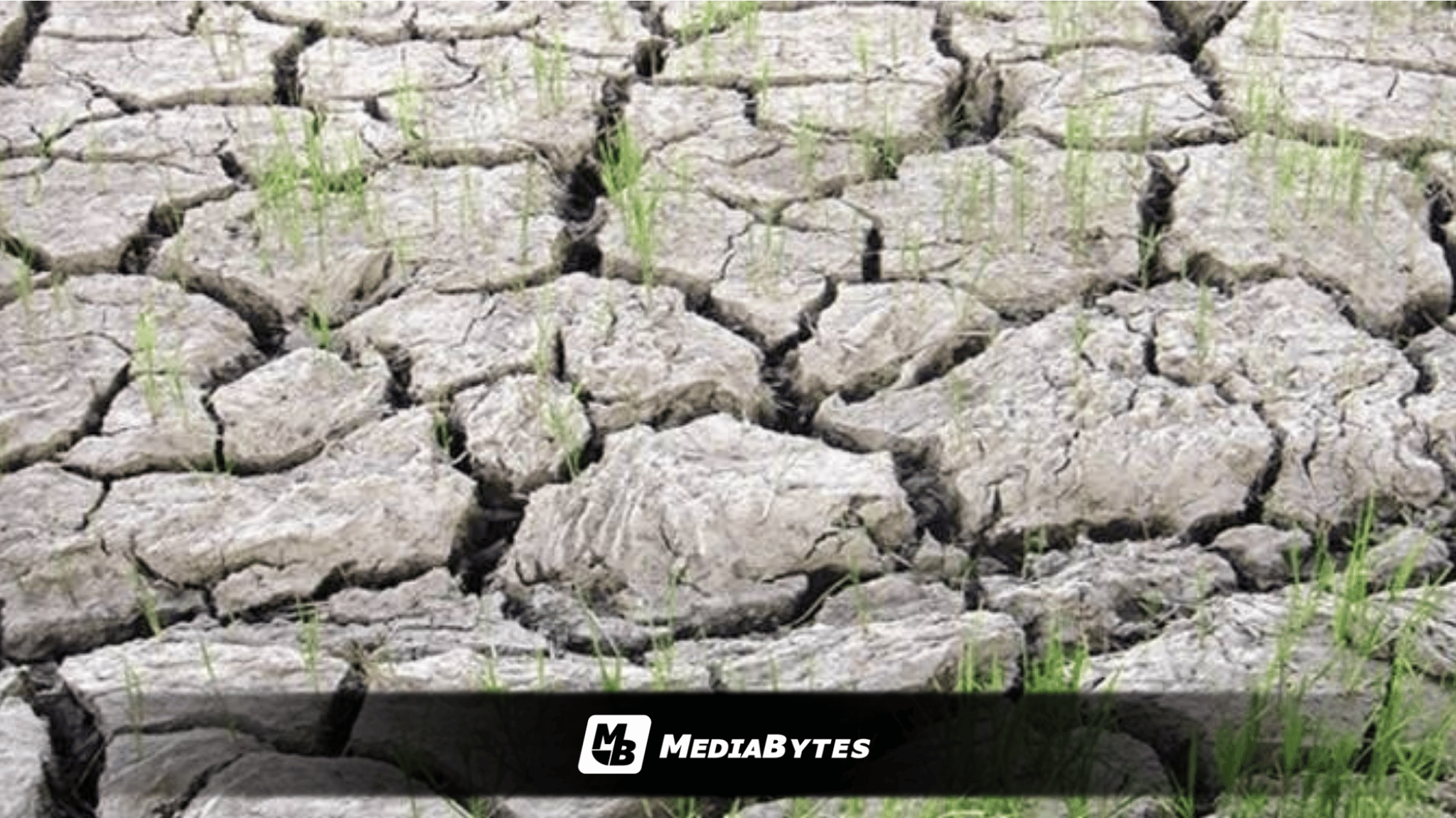
MANILA, Philippines — The Philippine government is aiming to integrate an additional 440 million liters of water per day into the national supply before the close of 2026, bolstering national security measures ahead of a threatening “Super El Niño,” according to Malacañang.
In a Palace briefing on Wednesday, October 14, Communications Undersecretary and Palace Press Officer Claire Castro announced that President Ferdinand Marcos Jr. has instructed relevant agencies to fast-track interventions protecting public access to essential utilities, food, and energy.
”Ang bawat galaw ng gobyerno para sa taumbayan sa panahon ng El Niño ay titiyaking mararamdaman,” Castro said.
”Kaya hinihikayat ng pamahalaan ang publiko at pribadong sektor na magkaisa upang mabawasan ang banta ng El Niño sa kabuhayan, kalusugan, pagkain, tubig at enerhiya,” she added.
To reinforce the metropolitan supply, authorities have successfully reactivated 61 decommissioned deep wells and are expediting critical water infrastructure projects. Key developments include the Kaysakat Water Treatment Plant at the Upper Wawa Dam, scheduled for completion in November 2026, which is expected to yield 160 million liters daily.
Furthermore, the administration has prepared 135 stationary water tanks and 182 mobile tankers for rapid deployment to vulnerable communities. Complementary measures such as targeted cloud-seeding operations and optimized dam management are also underway.
On the food security front, officials confirmed that national inventories remain stable, boasting rice reserves sufficient for 75 days, pork for 170 days, and chicken for 125 days.
Supplemental food imports remain an option if warranted, while local farmers impacted by drought conditions stand to receive financial assistance, emergency cash transfers, short-term employment, and skills training programs.
Energy reserves have likewise been fortified with 253 megawatts sourced from battery storage systems alongside 218 megawatts from power barges, with an additional 1,500 megawatts in power infrastructure projects currently being prioritized.
Meanwhile, health and labor sectors are mobilizing precautions. The Department of Health is stocking up facilities to handle seasonal spikes in heat-related conditions and vector-borne diseases, the Department of Science and Technology is rolling out localized two-day heat index forecasts, and the Department of Labor and Employment is set to issue occupational safety advisories for outdoor workers.