


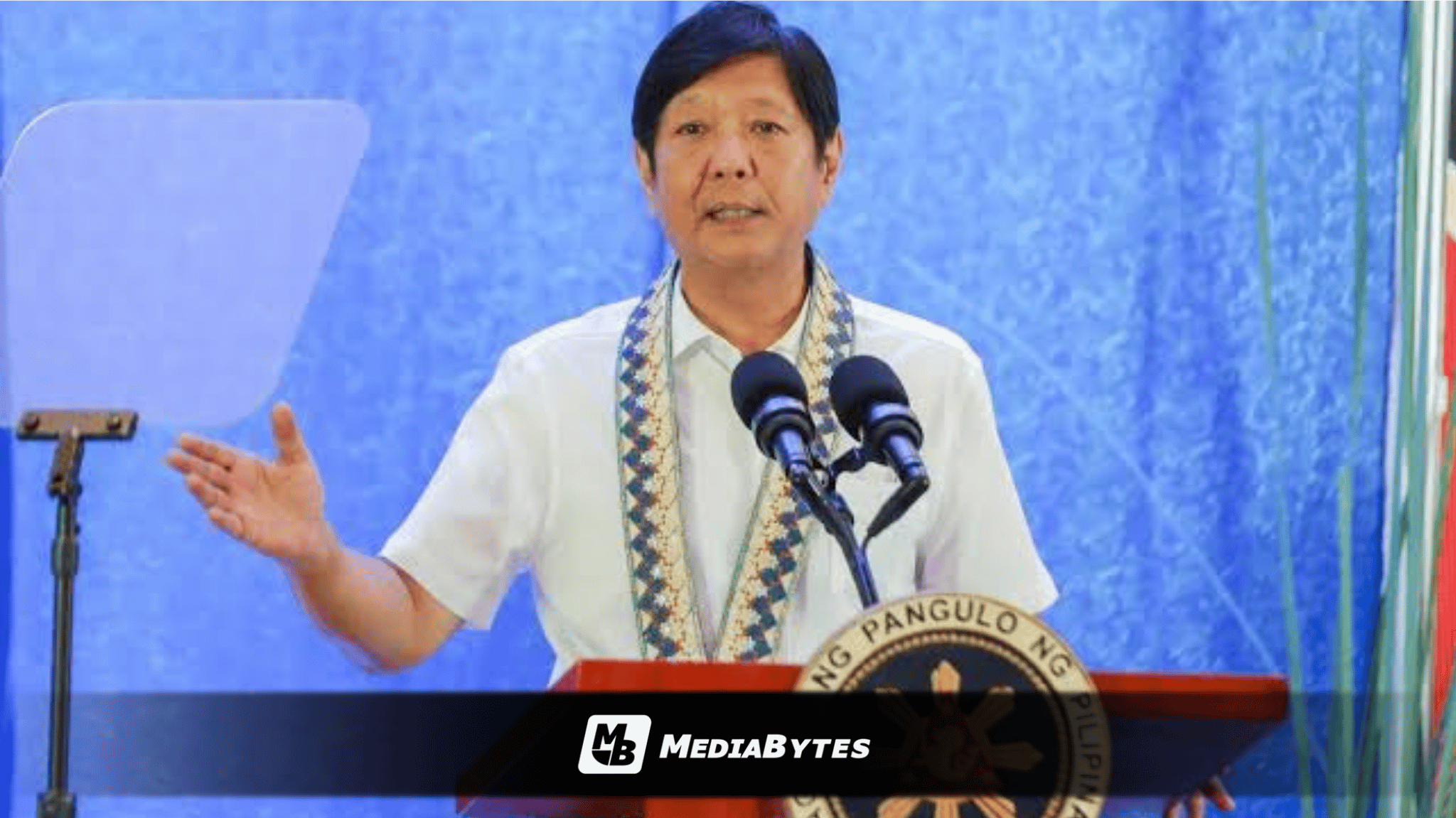
MANILA — President Ferdinand Marcos Jr. has signed Executive Order (EO) No. 127, laying the groundwork for a comprehensive national policy framework on carbon markets and designating the Department of Environment and Natural Resources (DENR) as the country’s main national authority for carbon market regulation.
The directive, inked on October 13, tasks the DENR with drafting the Philippine Carbon Market Policy Framework, which requires greenlighting from the newly formed Inter-Agency Committee on Carbon Markets (IACCM). This framework will outline rules for local engagement in both voluntary networks and international compliance spaces, including cooperative strategies under Article 6 of the Paris Agreement, safeguards for the environment, and structured benefit-sharing mechanisms.
To streamline multi-agency efforts, EO No. 127 creates the IACCM, placing the Climate Change Commission (CCC) at the helm as chairperson and the Department of Finance (DOF) as vice-chairperson, with the DENR joining as a regular member alongside other key instrumentalities.
The committee may also tap external agencies, stakeholders, and experts to serve as technical advisers, resource speakers, or observers.
The IACCM is tasked with harmonizing regulatory policies, assessing framework performance, and suggesting updates to keep pace with national climate objectives and international shifts. Furthermore, it acts as the central consultation hub for carbon rules and will set standard processing fees for certifications and applications tied to carbon projects.
As the designated national authority, the DENR will manage the clearance and registration of carbon reduction initiatives and oversee the Philippine National Carbon Registry. This digital platform will digitally track and record carbon credit transactions, including the issuance, transfer, retirement, cancellation, and authorization of internationally transferred mitigation outcomes (ITMOs).
The DENR is also mandated to draft guidelines for voluntary carbon markets, covering project eligibility, credible standard systems, and rigorous compliance tracking. Meanwhile, any fiscal, revenue, or carbon-pricing policies—as well as potential transitions from voluntary markets to compliance-driven regimes—will necessitate explicit concurrence from the DOF.
Various departments will share sectoral responsibilities: the DENR will focus on forestry, waste management, and nature-based solutions; the Department of Energy will guide power sector projects; the Department of Agriculture and the Philippine Statistics Authority will advise on agricultural programs; the Department of Transportation will handle transport-linked carbon credits; and the DOF will manage financial implications, fiscal policy, climate finance, and investment promotions.
Under the order, the DENR must finalize and submit the draft carbon policy framework to the IACCM within 30 days of the decree’s effectivity for review and action.
EO No. 127 draws legal and policy backing from international pacts such as the Paris Agreement, the Kyoto Protocol, and the United Nations Framework Convention on Climate Change, as well as the National Climate Change Action Plan 2011–2028.
By unlocking carbon markets, the administration seeks to bolster climate finance access, technology transfers, foreign investments, and capacity building to fulfill national climate commitments.
Initial funding for the order’s execution will come from the current allocations of the DENR and participating agencies, with subsequent requirements factored into future budget proposals.
The executive order takes effect immediately following its publication in a newspaper of general circulation or the Official Gazette.