


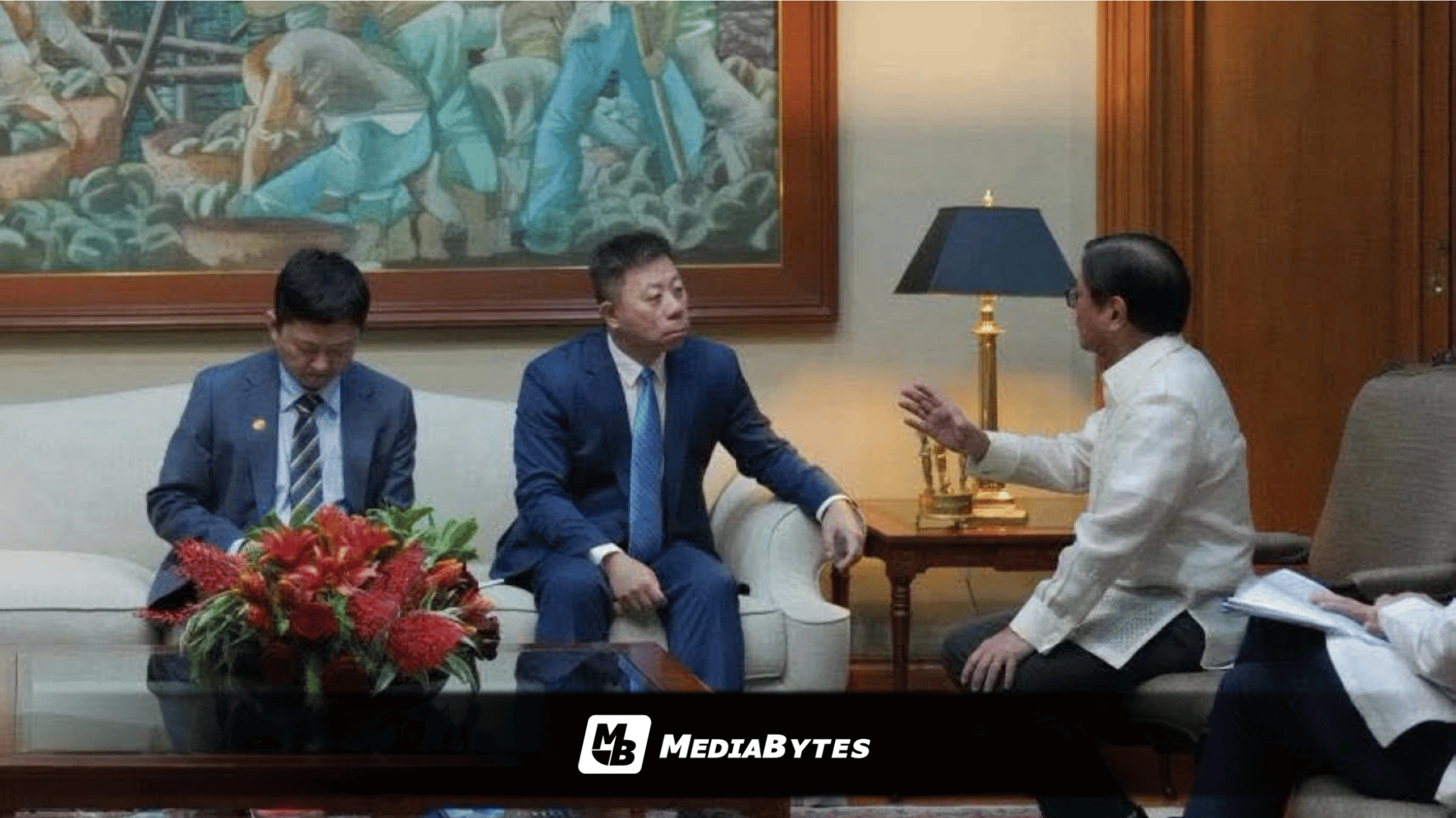
MANILA — The Chinese Embassy in Manila has expressed openness to a direct, face-to-face meeting between President Ferdinand Marcos Jr. and Chinese Ambassador Jing Quan, noting that the envoy intends to address critical and sensitive matters following recent friction.
In an online statement released late Friday, October 16, the embassy conveyed its willingness for direct dialogue.
“We welcome such [a] good opportunity [for] face-to-face communication,” the embassy stated in a social media post.
“Ambassador Jing looks forward to exchanging views on certain important and sensitive issues with the President,” it added.
The diplomatic mission further noted that the conversation ought to touch on “how to prevent some individuals from pushing bilateral relations into a dangerous situation,” though it did not specify who was being referenced.
The proposed meeting comes after President Marcos stated on Friday that he and Jing needed to sit down following controversial statements regarding China’s military strength, which the chief executive characterized as sounding like a “threat” and “not very diplomatic.”
Marcos indicated he wants clarity on remarks made by Jing during a Quezon City interview on Thursday, where the ambassador suggested that Beijing could easily prevail in a military conflict if it opted to use force.
“If we want to use force, we may easily win. But no, we will not use force. You know, we love peace,” Jing was quoted as saying during the interview.
Reacting to these comments in an impromptu interview after celebrating the 125th founding anniversary of the Philippine Coast Guard, Marcos made his position clear.
“Well, it sounds very much to me like a threat, and it is not a very diplomatic statement to be made. So, we perhaps would like to understand what exactly it is that he means,” Marcos said.
“I think that deserves a discussion between the ambassador and myself,” he added.
Speaking at a Palace media briefing in Manila, Communications Undersecretary and Palace Press Officer Claire Castro emphasized that President Marcos aims to prevent bilateral ties from worsening and has instructed officials to manage relations through diplomatic channels.
“Hindi nais makita ng ating pamahalaan, ng Pangulo, na darating yung punto na hindi magiging maganda yung relasyon ng China at ng Pilipinas,” Castro said.
Castro underscored that while the administration values robust trade and investment connections with Beijing, it remains firm in safeguarding Philippine territory and sovereign rights in the West Philippine Sea.
“Kaya ang utos ng Pangulo, ang pakikipag-usap sa pamunuan ng China ay in a diplomatic manner dahil hindi nais ng Pangulo na masira ang relasyon ng dalawang bansa,” she explained.
She further stressed that pursuing amicable ties does not equate to compromising the nation’s maritime claims.
The latest exchange follows previous criticisms from the Chinese Embassy accusing the Department of Foreign Affairs of selective quotation and overinterpreting Jing’s words, while characterizing current bilateral ties as being at an “extremely sensitive stage.”
These developments unfold against the backdrop of persistent disputes in the West Philippine Sea, where Manila continues to balance the defense of its territory with the maintenance of diplomatic and economic engagements.