


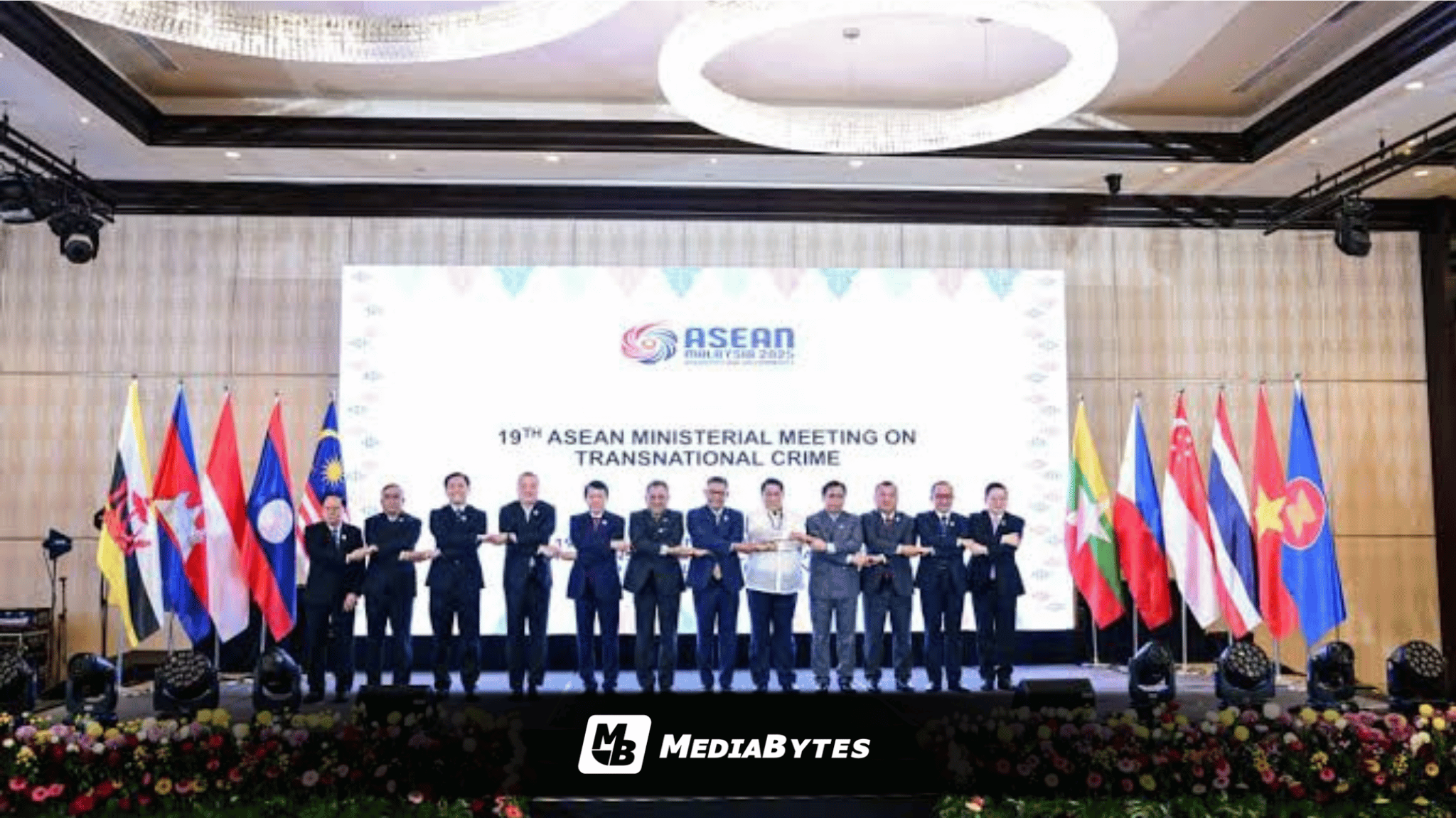
MANILA — The Philippines is set to spearhead regional efforts against cross-border criminality as it hosts the 20th Association of Southeast Asian Nations (ASEAN) Ministerial Meeting on Transnational Crime (AMMTC) alongside related sessions from October 19 to 21.
Department of the Interior and Local Government (DILG) Secretary Jonvic Remulla, heading the Philippine delegation for the AMMTC, is scheduled to deliver an address to interior and security ministers across the region.
Discussions will center on coordinated countermeasures against prominent security challenges, such as cybercrime, human trafficking, narcotics distribution, illicit arms smuggling, and money laundering.
“The AMMTC is ASEAN’s highest policy-making body on cooperation to combat and prevent transnational crime, including border management,” the DILG stated.
In addition to core regional talks, the three-day high-level assembly will feature multilateral consultations with dialogue partners including China, Japan, and the Republic of Korea to foster broader international collaboration.
The DILG pointed out that the summit will emphasize critical cooperative declarations, particularly those addressing online sexual abuse, child exploitation facilitated by digital and artificial intelligence technologies, and the expansion of law enforcement roles in disaster response and emergency readiness.
Furthermore, the convening coincides with the Philippines celebrating its 11th straight year maintaining a Tier 1 rating in the United States Trafficking in Persons Report, signaling continuous compliance with international benchmarks to eradicate human trafficking.
The assembly will conclude with a formal transition ceremony where the Philippines will hand over the AMMTC chairmanship to Singapore, passing the torch for regional leadership in combating transnational syndicates.
“Through its hosting of the 20th AMMTC and its Related Meetings, the Philippines reaffirms its commitment to ASEAN solidarity and collective action to strengthen regional security, enhance law enforcement cooperation, and address evolving transnational criminal threats,” the agency added.