


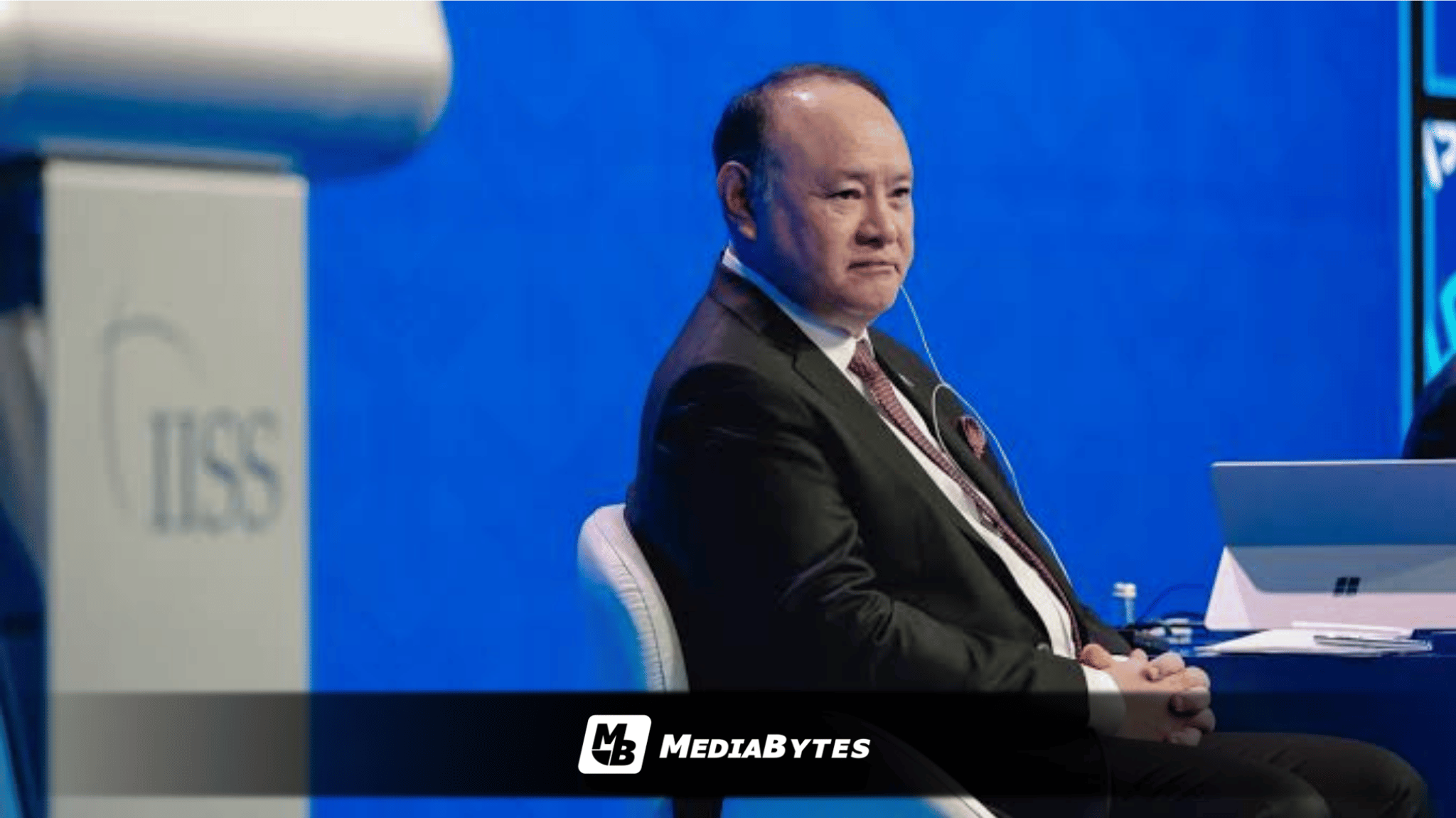
MANILA — Department of National Defense (DND) Secretary Gilberto “Gibo” Teodoro Jr. strongly criticized remarks made by Chinese Ambassador to the Philippines Jing Quan, stating that his department is closely reviewing the pronouncement after it was labeled by the Department of Foreign Affairs (DFA) as a “thinly veiled threat.”
During a media interaction in Manila, Ambassador Jing told reporters that if Beijing were to resort to military force against the Philippines, it would easily win, though he simultaneously maintained that China favored peace.
Weighing in during a radio interview, Teodoro dismissed the notion that the envoy’s remarks were merely accidental, asserting that the statements carry a deeper, intimidating motive.
“Pinag-aaralan talaga namin ang statement na ito kasi hindi dulas yun eh. Mayroon talagang nilalaman ang mga statement na ‘yan at at least natalupan at, in the same statement, sinasabi niya ‘we want peace’ pagkatapos ‘we can use force and you will lose’. Banta ‘yon e. Yun ang tunay na laman ng statement na yan. Tinatakot tayo,” Teodoro said.
According to the defense chief, intimidation tactics like these will not induce fear, emphasizing that cowardice in the face of aggression is unpatriotic.
He suggested that such aggressive rhetoric might be triggered by Philippine authorities cracking down on illicit activities linked to Chinese nationals, including illegal mining, fake steel manufacturing, human trafficking, and Philippine offshore gaming operators (POGOs).
Furthermore, Teodoro noted that these statements expose Beijing’s underlying intent and could be part of an effort to shift narrative blame onto Manila should future escalations occur.
Addressing comments regarding severed military ties, Teodoro clarified that communication lines between the two nations’ defense sectors have remained inactive for three years because maintaining them offered no strategic benefit to the Philippines, especially given the absence of a Visiting Forces Agreement or formal military alliance.
Bilateral tensions continue to persist amidst the ongoing territorial disputes in the West Philippine Sea. Even though the Permanent Court of Arbitration ruled heavily in favor of the Philippines in 2016, Beijing continues to reject the landmark decision and maintains sweeping claims over the vital waterway.