


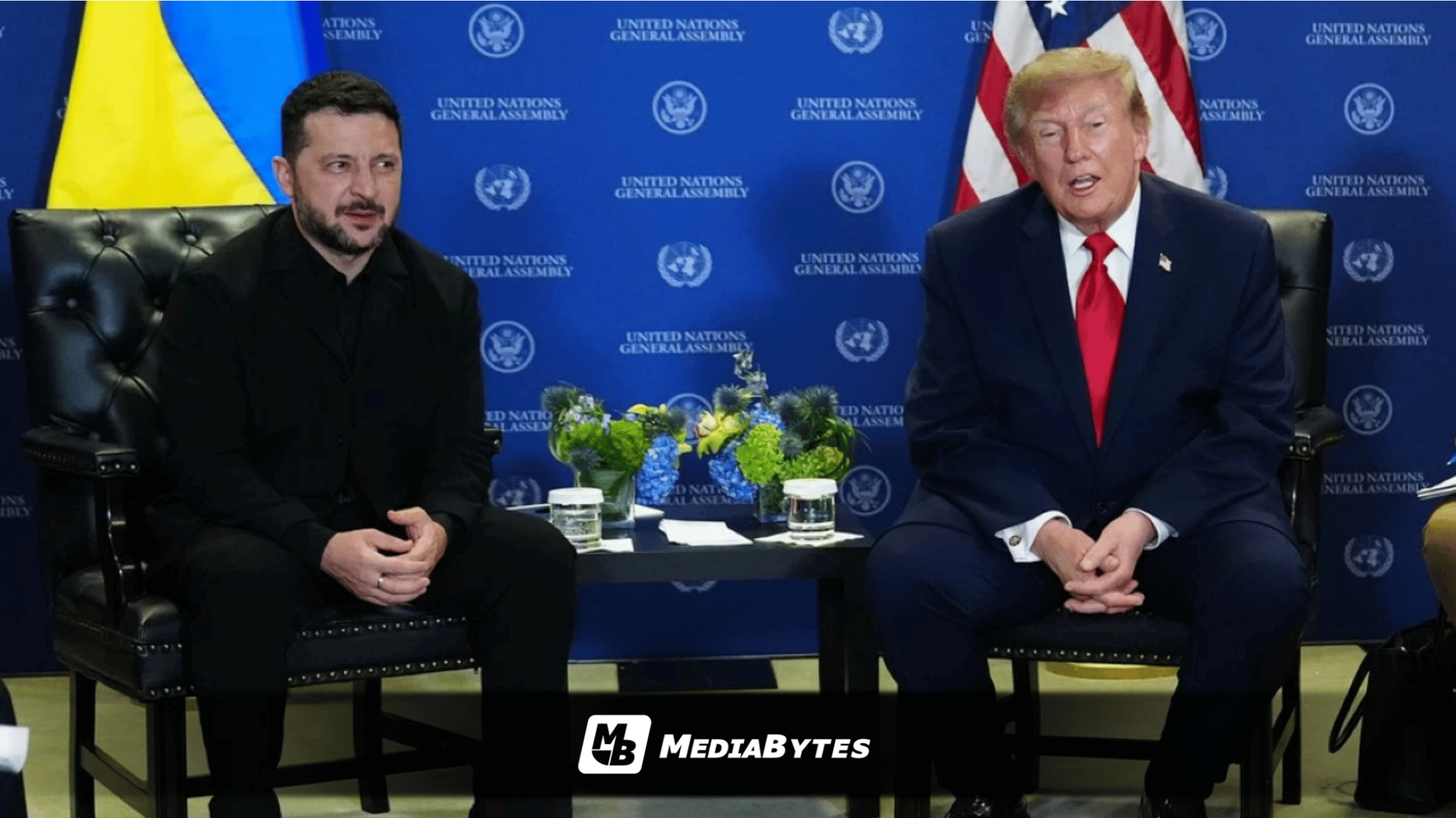
WASHINGTON — The partnership between the United States and Ukraine is facing a critical juncture, strained by President Donald Trump’s rejection of Russian sanctions, an import deal for Russian diesel, and unexplained restrictions on satellite communications crucial for Ukrainian military drones.
Relations between Washington and Kyiv have plunged to a new low, raising concerns that the shift could benefit Moscow and undermine global security. Trump has traded barbs with Ukrainian President Volodymyr Zelenskyy while openly criticizing him, leaving Ukraine’s leadership feeling betrayed.
“At this moment in time, things look blacker than they ever had regarding this administration’s policy towards Russia and Ukraine,” said John Herbst, a former ambassador to Ukraine under President George W. Bush and a scholar at the Atlantic Council.
The tensions intensified after Trump waived sanctions on Russia included in a bipartisan congressional support bill and announced plans to import Russian diesel fuel to address high domestic energy costs.
Compounding Kyiv’s defense challenges, Ukrainian military forces have encountered sudden speed restrictions on Starshield, the military-grade version of SpaceX’s satellite internet service that powers their drone operations and communications.
While SpaceX chief Elon Musk stated that Starshield is controlled by the U.S. military and ultimately Trump, the American president denied ordering any limits and questioned if Musk did.
Secretary of State Marco Rubio noted that the Pentagon oversees the system and that Ukraine desires expanded access for cross-territory attacks, though the U.S. military has declined to comment on its direct involvement.
Despite the friction, analysts note that Trump’s stance remains volatile and could pivot under bipartisan pressure from lawmakers ahead of upcoming midterm elections. Meanwhile, Russian forces have escalated attacks on Ukraine’s energy infrastructure, prompting fresh appeals from Kyiv for reliable intelligence support and Western backing.