


MANILA — The Metropolitan Manila Development Authority (MMDA) has partnered with the academe to identify and construct water detention basins across the metropolis as part of a long-term strategy to combat perennial flooding.
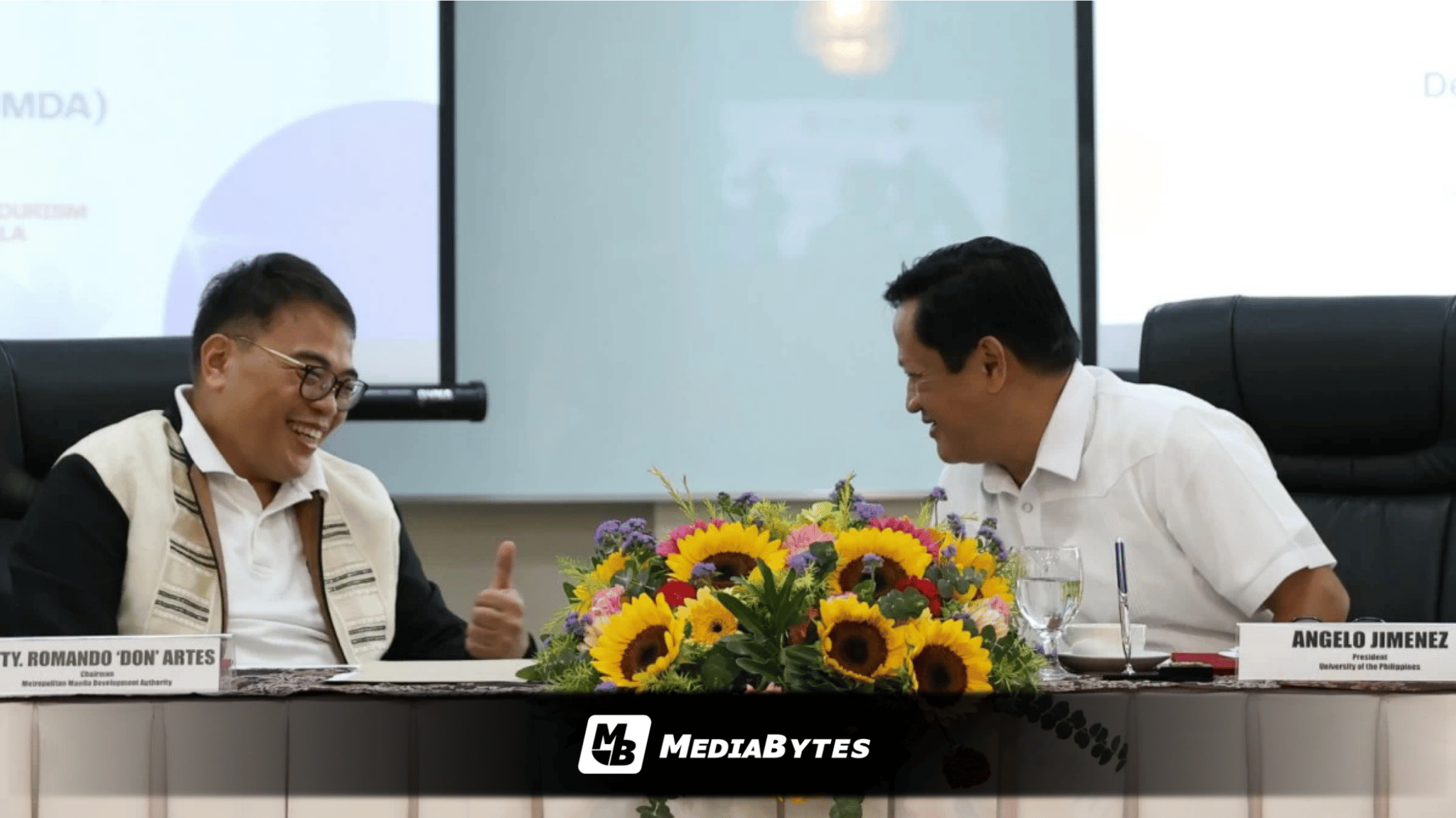
MMDA Chairman Atty. Romando “Don” Artes and University of the Philippines (UP) President Angelo Jimenez formalized the agreement through a memorandum of understanding, which kicks off with the establishment of rainwater impounding sites inside the UP Diliman campus in Quezon City.
Speaking on the mechanics of the project, Artes explained how the infrastructure functions during heavy downpours.
“The concept of the project is as simple as storing the water when it rains before it is safely discharged to the proper drainage system network. What we want is for our cities to withstand, absorb, and temporarily store the water and safely discharge it,” Artes said.
The initiative falls under the agency’s Oplan Kontra Baha and the Metro Manila Sponge City Project, which initially targets 39 detention basins designed to temporarily capture rainwater and slow down the rate of flooding.
“With the collaboration of infrastructures and nature-based solutions, we can help reduce the flooding while creating something useful for the community,” Artes stated.
Echoing the commitment to disaster resilience, Jimenez expressed enthusiasm for the academic partnership, noting that UP will provide robust research support and technical assistance.
“Through this memorandum of understanding, we establish a framework for cooperation and research, technical assistance, knowledge sharing, capacity building, and the development of practical tools and knowledge products,” Jimenez said.
Beyond the initial 39 sites identified by a German engineering firm, Artes revealed that the MMDA is collaborating with the UP Resilience Institute-NOAH (UPRI-NOAH), led by Executive Director Alfredo Mahar Lagmay, to explore five additional nature-based locations. Discussions are also underway to expand the Efficient Flood Control Operating System (EFCOS) across the entire Metro Manila to better forecast rain volume from upper Marikina and simulate flood levels ahead of time.
“This improvement will help us determine the volume and locations of the rain ahead of time which we will tie up with Project NOAH so they can simulate it. Through the EFCOS expansion, we will know the possible level of flooding in an area which can help us to easily address it,” the MMDA chief explained.