


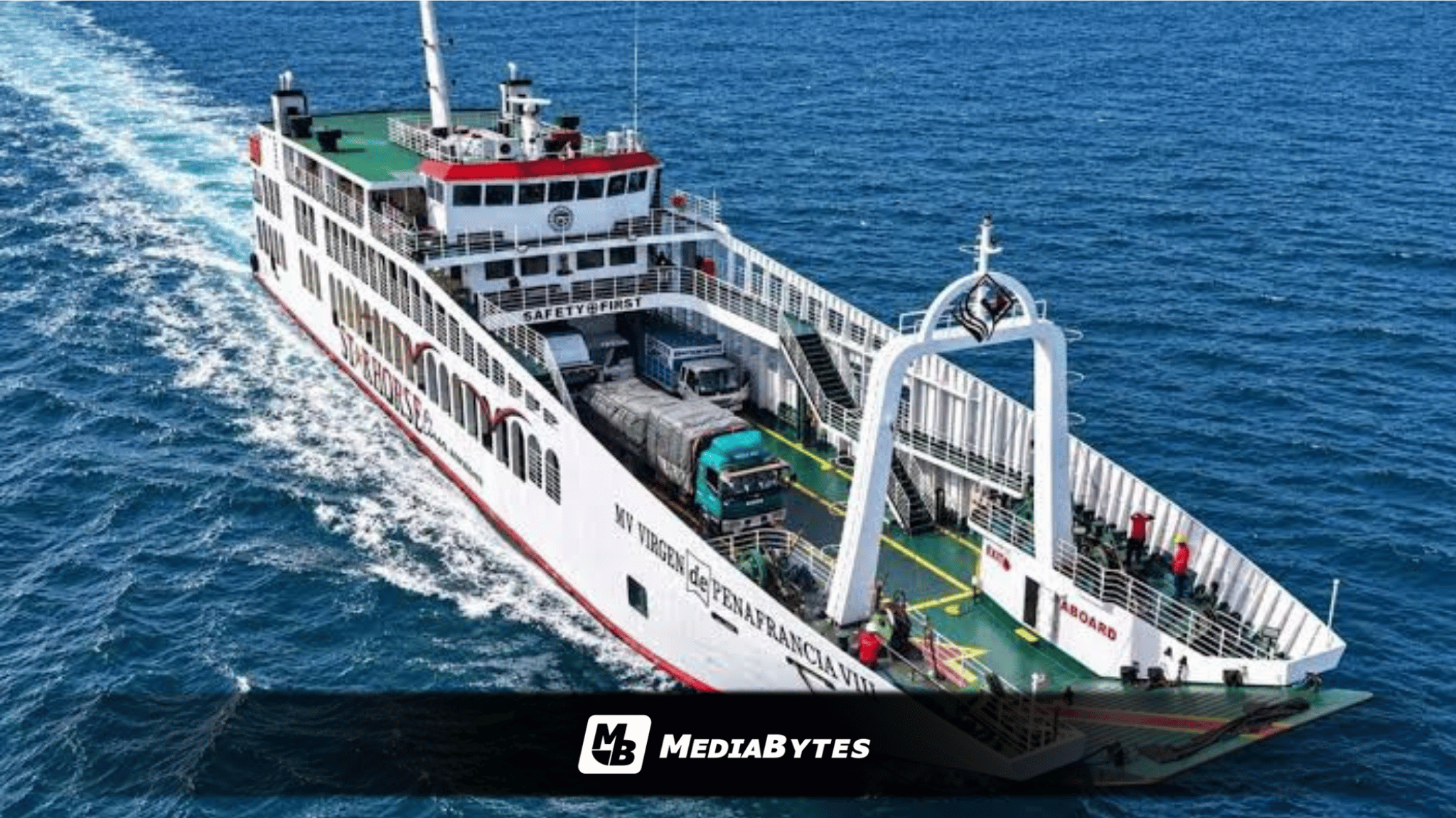
MANILA — The Department of Transportation (DOTr) is looking to pilot cleaner marine technologies across two major inter-island sea lanes, eyeing fully electric ferries for the Iloilo-Bacolod route and hybrid systems for the Batangas-Calapan crossing.
Spearheaded by the Maritime Industry Authority (Marina), the green initiative aims to decrease fuel consumption, lower operational expenses, and minimize carbon footprints in the country’s domestic transport sector.
Acting Transportation Secretary Giovanni Lopez noted that the project is designed to evaluate how modern propulsion systems can deliver widespread advantages to commuters, vessel operators, and the environment.
“Our goal is to see how we can use this technology in the Philippines and how passengers, shipowners, the environment, and public health can benefit from it. It can reduce fuel consumption, carbon emissions, and vessel operating costs. Ultimately, our passengers will benefit,” Lopez said.
According to Marina’s Overseas Shipping Service Director Engr. Ramon Hernandez, the choice of propulsion technology will directly correspond to voyage distance and operational feasibility, making pure electric models ideal for shorter crossings and hybrid options more practical for medium-range journeys.
“These electric ferries will address some of our concerns, first of which is the environment. They will reduce carbon dioxide emissions from ships. They will also address the high cost of fuel oil. When you shift to electricity, power consumption costs can go down. This could also affect fares for commuters and the public who use water transportation,” Hernandez said.
The strategic pilot proposal stems from a comprehensive study conducted by the World Bank and the International Maritime Organization focusing on the energy efficiency and safety of local passenger ferries.
Marina reported that the domestic maritime network facilitated approximately 69 million passenger trips in 2025.
Out of a fleet of roughly 4,000 domestic vessels, about 300 inter-island ferries generated roughly 86 percent of the sector’s total carbon dioxide emissions, highlighting the crucial need for infrastructural investments in charging stations and eco-friendly vessels.