


SEOUL — In the wake of landmine explosions that wounded three South Korean soldiers, Seoul has officially proposed military-level talks with North Korea to clarify border demarcations and prevent accidental front-line clashes.
The diplomatic overture, announced on Friday, follows a series of cross-border incursions and heightened tensions along the heavily fortified Korean frontier.
South Korean military authorities reported that North Korean troops crossed the military demarcation line roughly fifty times this year during ongoing fortification projects, leading to warning broadcasts and shots fired by the South.
Pyongyang has yet to respond to the proposal, echoing a similar snub from last November. Tensions have intensified following the September 21 landmine blasts, which the South attributes to explosive devices planted by the North south of the demarcation line.
North Korea has denied responsibility for the incident and rejected demands for an apology.
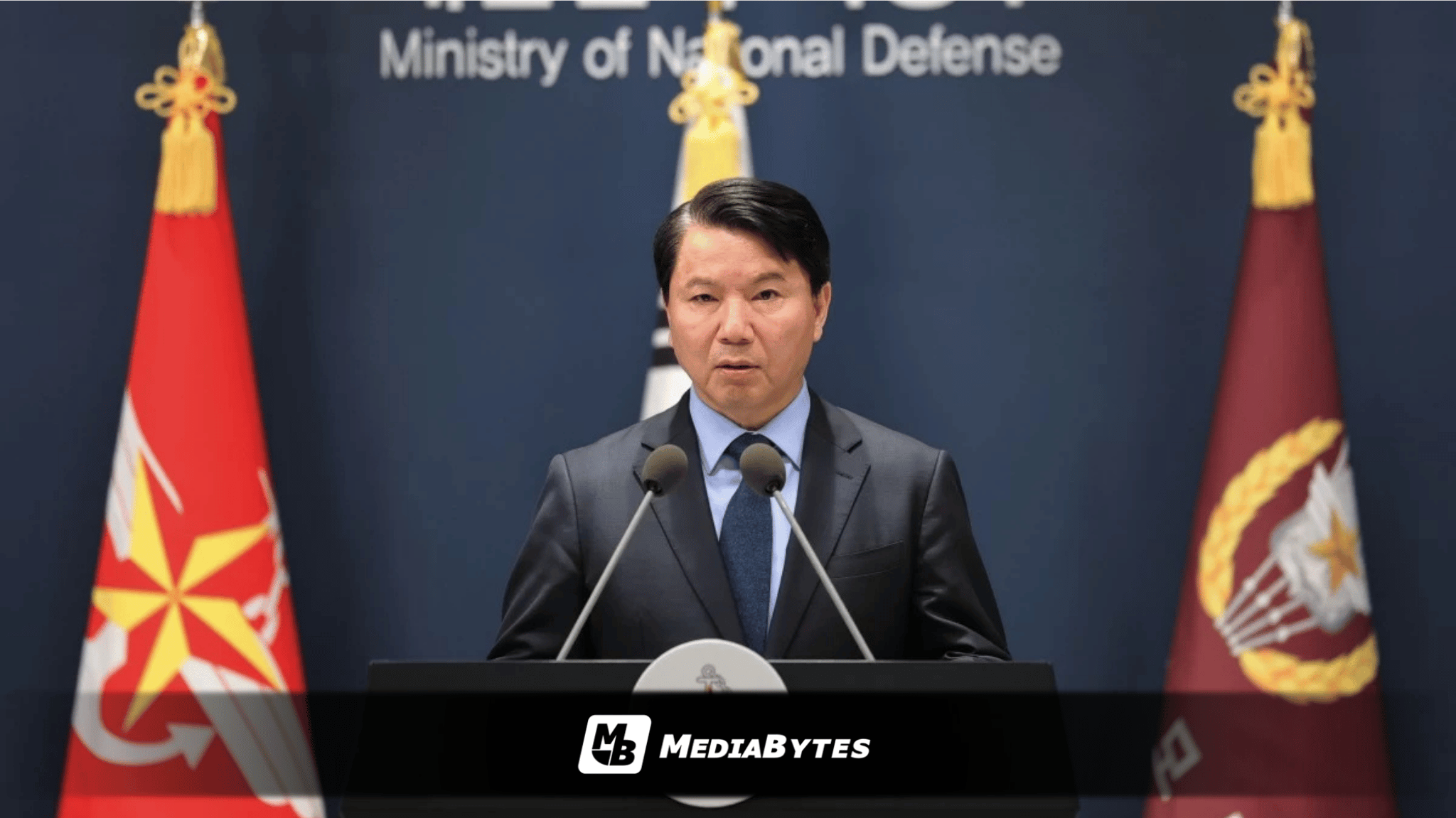
Speaking in a televised statement, South Korea’s deputy minister for defense policy, Kim Hong-Cheol, outlined the scope of the proposed dialogue.
“Our Ministry of National Defense officially proposes to North Korean authorities that South-North military talks be held to mutually confirm the exact location of the ground military demarcation line between the South and the North, discuss the restoration of military communication lines, and discuss measures to prevent accidental clashes in border areas,” Kim Hong-Cheol stated.
Kim added that Seoul is open to expanding the discussions into a tripartite format incorporating the U.S.-led United Nations Command.
The push for dialogue arrives shortly after a front-line inspection tour by Kim Yo Jong, the influential sister of North Korean leader Kim Jong Un. Kim Yo Jong renewed threats of retaliation against perceived South Korean provocations, announced plans to resume anti-Seoul propaganda broadcasts via loudspeakers, and warned that “new counter means” have been placed on standby.
She dismissed claims of border violations as fabricated pretexts for warning shots.
While South Korean officials acknowledge that some historical boundary markers from the 1953 armistice have faded over time, Defense Minister Kang Shin-chul maintained that last month’s explosions occurred in an undisputed zone.
Officials warn that unaddressed boundary disagreements drastically increase the danger of accidental military engagements as both nations operate under conflicting interpretations of the border.
Conversely, North Korean military leadership has fiercely defended its position. During a joint front-line inspection with Kim Yo Jong, North Korean Army Marshal Pak Jong Chon dismissed allegations of border infractions, insisting that the North’s military is intimately familiar with its own territory and accusing Seoul of fabricating pretexts to escalate regional hostility.