


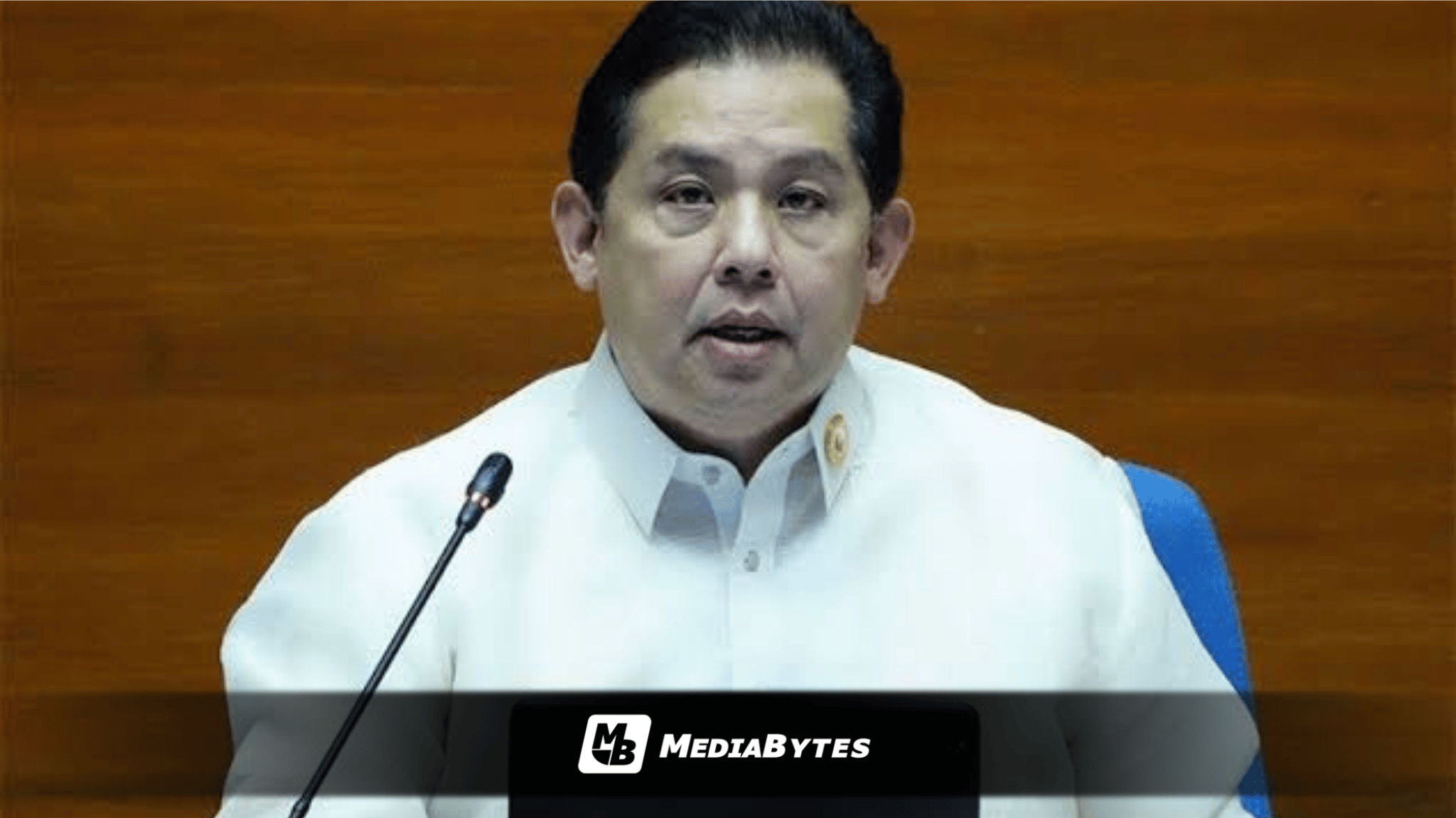
Former Public Works Undersecretary Roberto Bernardo testified before the Sandiganbayan anti-graft court that former House Speaker and incumbent Leyte 1st District Representative Martin Romualdez never asked for infrastructure projects, negotiated kickbacks, or took part in any transactions he managed.
Responding to questions from Atty. Thea Daep, a member of Romualdez’s defense team, Bernardo admitted to receiving financial benefits—which he referred to as “balato” or tokens—from infrastructure projects involving various proponents. However, he confirmed he had no personal business dealings or financial agreements with Romualdez.
When asked if the former House leader took part in discussions concerning project commitments, Bernardo answered, “Wala po.”
Bernardo also conceded that none of his six official affidavits mentioned Romualdez as a project proponent or linked him to commission negotiations and financial commitments.
He noted that the only reference to Romualdez in his sworn statements was a sighting at the birthday celebration of the daughter of former Public Works Secretary and now Senator Mark Villar, which he agreed was “strictly a social event.”
Furthermore, the witness stated he had no knowledge of any commitment fee scheme tied to DPWH projects in Leyte. Among the four accused individuals, Bernardo only recognized the alleged involvement of former Ako Bicol Party-list Representative Zaldy Co, based on information regarding projects in Bulacan. Consequently, the defense skipped cross-examining prosecution witness Edrick San Diego since his judicial affidavit lacked allegations against Romualdez.
San Diego, a former driver for DPWH Bulacan First District Engineer Henry Alcantara, had claimed he delivered boxes of money to Bernardo at the Diamond Hotel and to addresses linked to Co.
Bernardo testified that irregularities involving infrastructure projects date back well before Romualdez took office as House Speaker in July 2022.
“Hindi na po bago. As far as I can tell, it was already happening during my time as district engineer in Manila in 2002,” Bernardo stated.
He detailed that commission rates negotiated by proponents typically ranged from 10% to 25%, and could occasionally reach 30%, though every claim had to be tied to a specific project. He confirmed that commission rates did not see an increase after Romualdez became Speaker, and noted that project proponents could include private contractors, intermediaries, executive officials, and other figures with influence over the budget process rather than just lawmakers.
Explaining his decision to cooperate with investigators as a state witness, Bernardo shared that he initially held back out of expectation that people he previously dealt with would help him.
When asked if anyone offered assistance, he replied, “Wala po.”
He added that the lack of support, coupled with a troubled conscience regarding ghost infrastructure projects in Bulacan, prompted him to turn state witness.
Finally, Bernardo clarified the institutional roles in government budgeting and implementation, explaining that the DPWH and the Department of Budget and Management (DBM) handled project preparation and fund releases, while the Speaker’s Office played no role in issuing Special Allotment Release Orders (SAROs) or conducting biddings.
He acknowledged that the DPWH managed the bidding process, while former Public Works Secretary Manuel Bonoan held final departmental approval over the proposed budget, and the DBM governed expenditure ceilings and fund releases.
“Open secret naman po yung anomalies sa bidding [of government projects],” Bernardo remarked.