


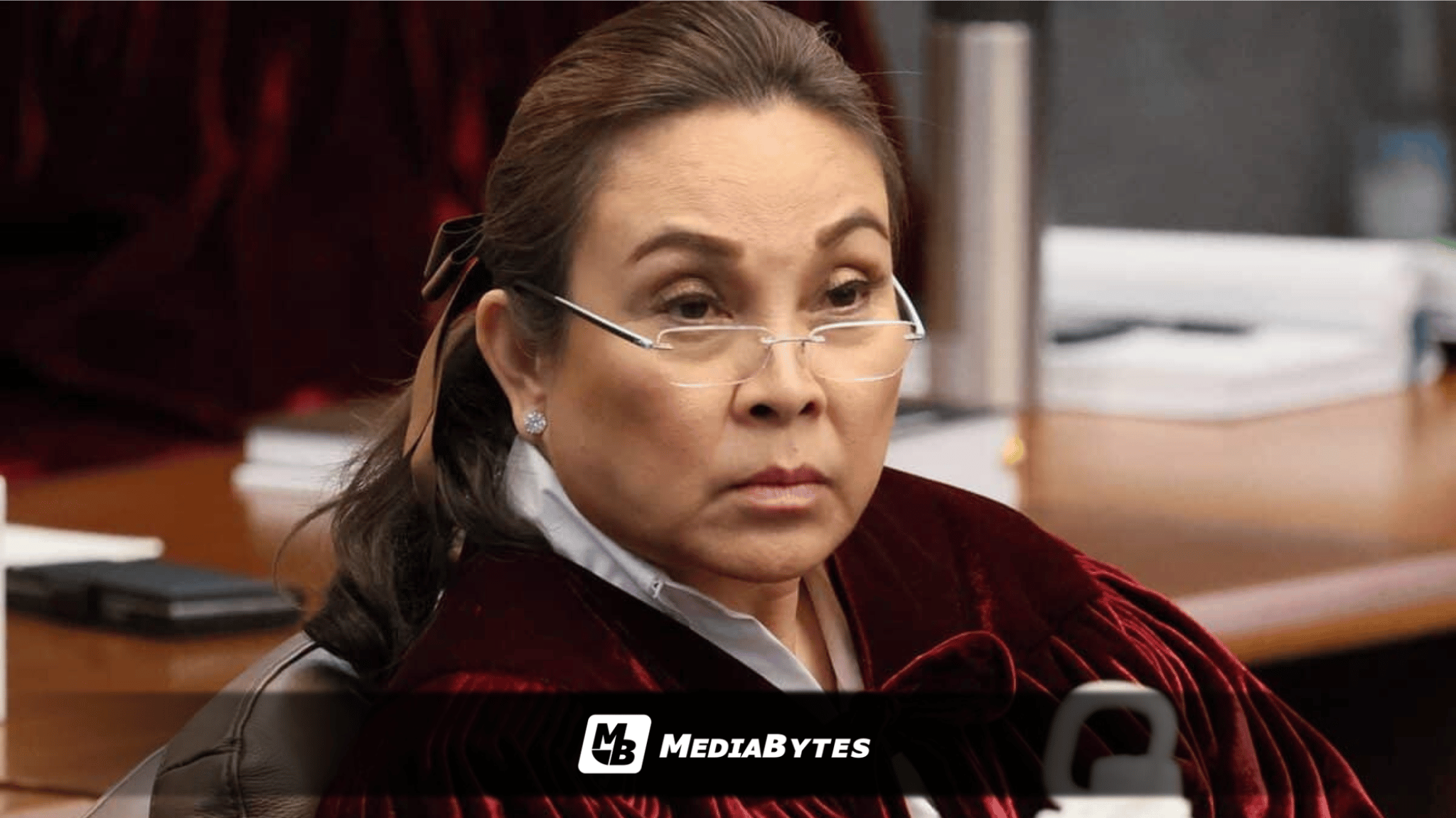
Senator Loren Legarda has called on the Department of Education (DepEd) and local government units (LGUs) to prioritize setting up rainwater catchment systems in public schools as part of early preparations for intensifying El Niño conditions.
Legarda noted that while dry spells threaten many parts of the country, several regions still experience rainfall. She stressed that communities must harness this water now to build up reserves for essential sanitation needs, especially in areas with unreliable water supplies.
“There are areas where it is still raining. We should start installing rain catchment facilities now to collect this water. We could begin in schools, where the collected water would be a great help in maintaining the cleanliness and sanitation of the facilities,” Legarda said.
A 10-Point Policy Action Plan
The proposal forms the first measure of Legarda’s 10-Point Policy Action Plan aimed at mitigating the worsening effects of El Niño. Under this initiative, DepEd and LGUs—working alongside the Philippine Atmospheric, Geophysical and Astronomical Services Administration (PAGASA)—will evaluate suitable sites to install modular rain barrels, roof gutters, and storage tanks.
The strategy aligns with DepEd’s Water, Sanitation, and Hygiene in Schools (WinS) technical guide, which advocates for rainwater harvesting to support hygiene during emergencies and water shortages.
The guidelines recommend a baseline of roughly five liters of water per learner daily, alongside structural safeguards such as gutter screens, first-flush diverters, and bi-annual tank cleanings to prevent contamination and mosquito breeding.
For regions already experiencing the peak of the El Niño drought, Legarda urged LGUs to partner with the Bureau of Fire Protection (BFP) and local water districts. Tanker trucks can be deployed to pre-fill empty campus catchment systems, turning them into decentralized emergency reservoirs.
“In areas where it is raining or expected to rain, let’s install rainwater catchment systems. As for areas currently in the thick of El Niño, they should be provided with a water supply. Let’s look into what can be done now and what funds can be utilized,” she added.
Legarda emphasized that while a resolution has been filed to assess overall government preparedness and fund adequacy, immediate, practical measures like rainwater harvesting can be implemented right away.
“We have to make good use of the time and resources available to us. We have already filed a resolution to assess the government’s preparedness and the adequacy of funds. However, there are solutions that can be initiated right now—one of which is rainwater harvesting in schools,” the lawmaker reiterated.