


MANILA, Philippines — Executive Secretary Ralph Recto has instructed national government agencies and local government units (LGUs) to pinpoint vulnerable communities and prioritize targeted assistance ahead of projected El Niño impacts expected to intensify by January 2027.
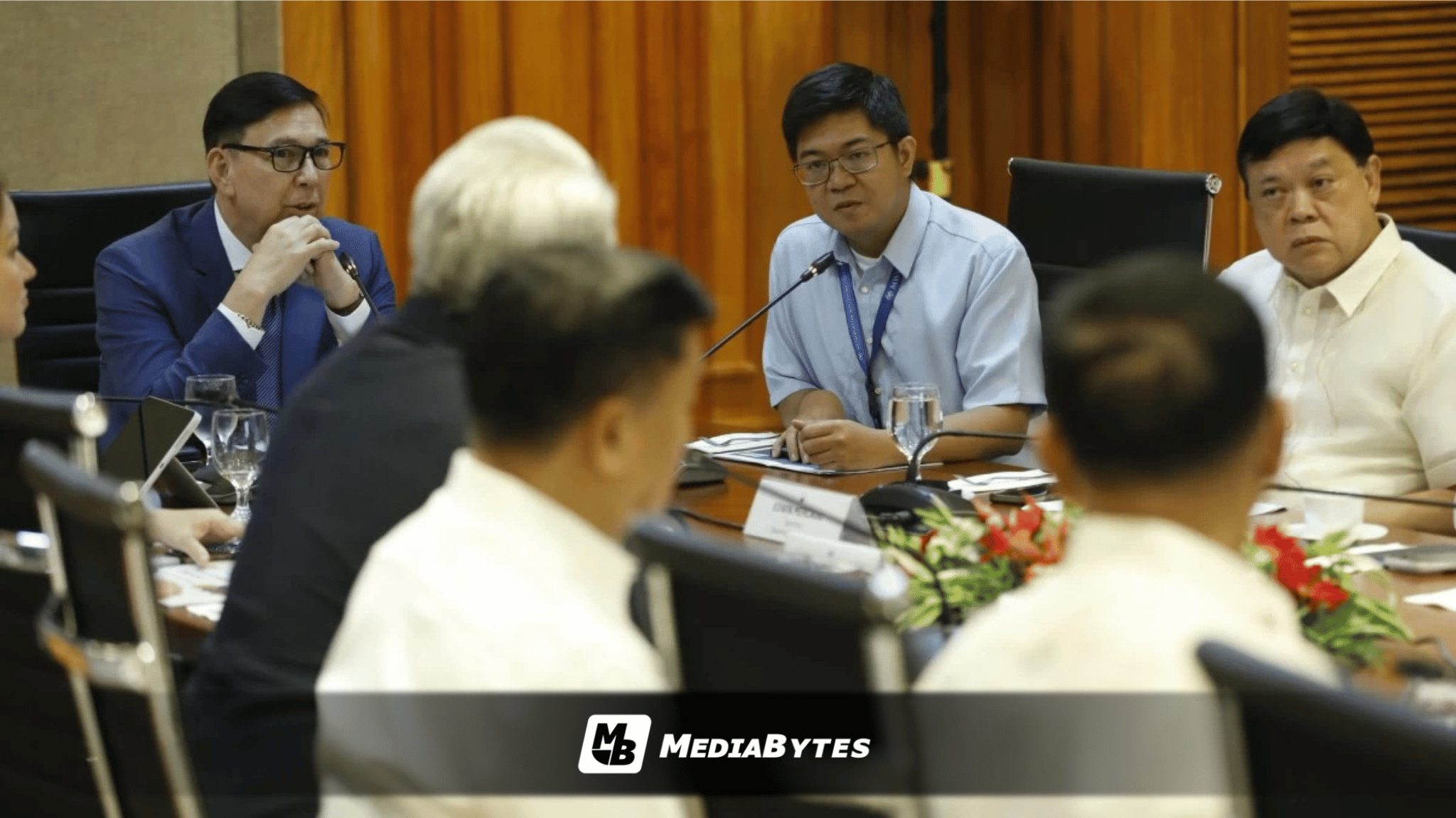
Acting on instructions from President Ferdinand Marcos Jr., Recto convened key department heads and local chief executives on Wednesday, November 4, to coordinate disaster preparedness measures, focusing particularly on safeguarding water, food, and energy supplies.
Emphasizing the localized nature of the climate phenomenon, Recto highlighted the need for customized interventions rather than a uniform national approach.
“Mararamdaman ang El Niño sa buong bansa, pero iba-iba ang magiging epekto nito sa bawat lugar. May komunidad na tubig ang pangunahing problema. Sa iba, kuryente o matinding init,” Recto stated.
“Kaya dapat alam natin kung sino ang pinakananganganib at anong tulong ang kailangan nila,” he added.
Infrastructure and Resource Management
To ensure a proactive response, the government is mapping out areas prone to severe water shortages and extreme heat, with Pampanga and Cavite currently under monitoring for water supply risks. Local government leagues have been tasked with identifying specific logistical requirements, including backup generators, solar power systems, and additional water storage units.
Furthermore, the administration expressed willingness to review the Local Government Support Fund to help finance local preparations.
The Metropolitan Waterworks and Sewerage System (MWSS) reported that the water level at Angat Dam stood at 208.70 meters on November 3, remaining comfortably above its 180-meter minimum operating threshold. Despite adequate current levels, authorities are implementing strict dam management protocols, promoting conservation initiatives, and exploring alternative water sources vetted for safety by the Department of Health.
In the energy sector, the Department of Energy is fast-tracking plant maintenance, streamlining permit processes, and ensuring sufficient fuel reserves while expanding battery storage capabilities.
Priority power delivery is designated for critical infrastructure, such as hospitals, educational institutions, and water treatment facilities during extreme temperature spells.
Support for Agriculture, Labor, and Health
The Department of Agriculture confirmed that national food inventories remain stable, with continuous price monitoring on basic goods like rice. Concurrently, the National Irrigation Administration is scaling up solar-powered irrigation systems to maintain agricultural productivity during periods of low rainfall, alongside expedited fuel subsidy disbursements for farmers and fisherfolk.
For affected workers and households, the Department of Social Welfare and Development (DSWD) and the Department of Labor and Employment are lining up temporary livelihood programs. The DSWD is also prepared to activate its Emergency Cash Transfer program to deliver direct financial relief.
To protect students and vulnerable populations, the Department of Education is utilizing Executive Order No. 130 to guide localized class suspension policies while investing in classroom ventilation, cooling enhancements, and solar power integration.
Meanwhile, barangay health workers will collaborate with local health departments to monitor high-risk demographics, including the elderly, children, and individuals with underlying medical conditions.