


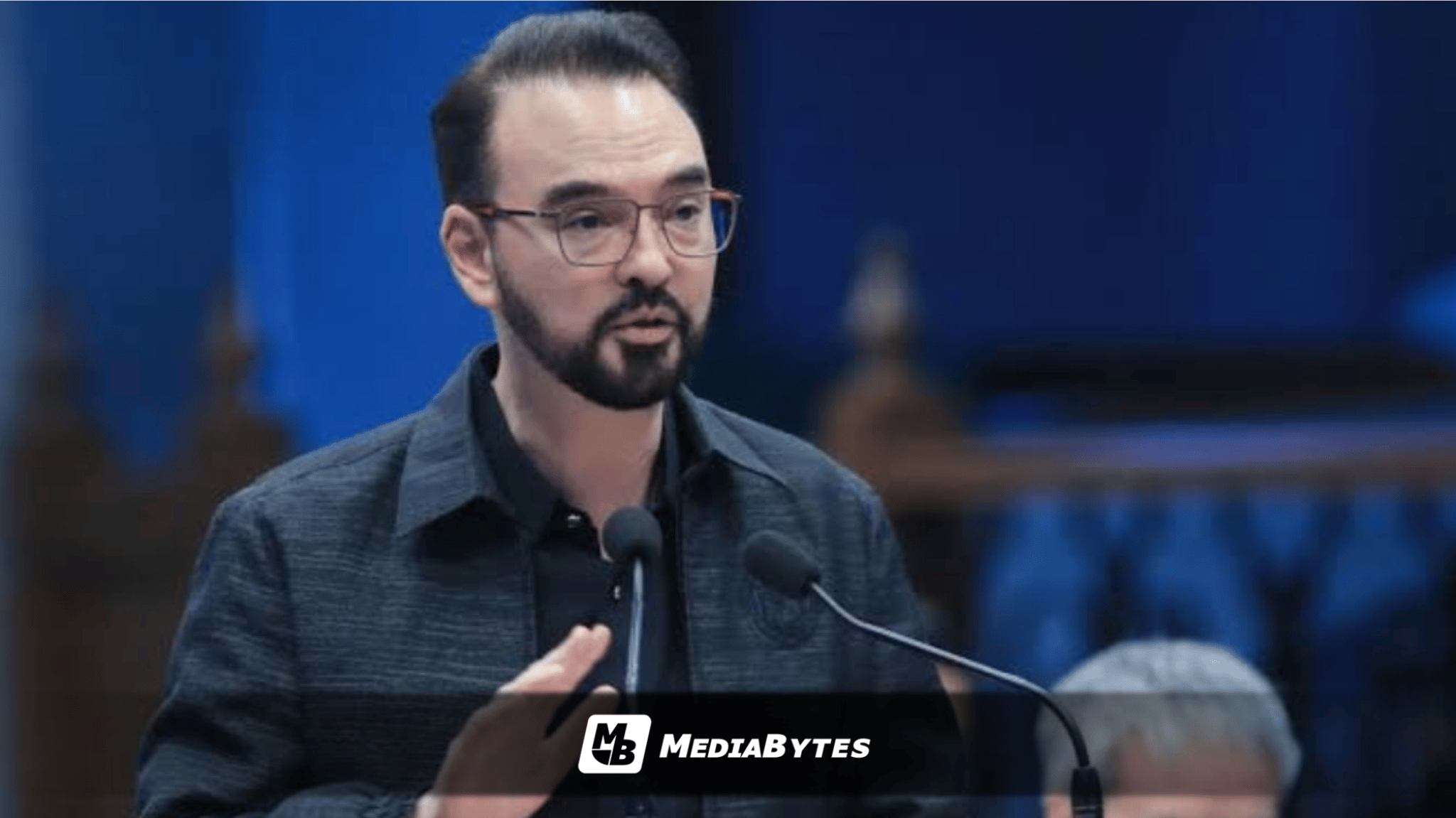
MANILA, Philippines — Senate Minority Leader Alan Peter Cayetano cautioned on Saturday, November 7, that the growing influence of subjective personal beliefs and rapid technological advancements are making it increasingly difficult for Filipinos to separate fact from fiction, leaving the public vulnerable to misinformation.
Speaking at a teaching series event themed “Unchanging Truth in a Changing World,” Cayetano argued that modern openness to new perspectives should not compromise the core moral principles necessary for distinguishing right from wrong.
He reflected on how societal standards have shifted over time:
“We grew up in a world where things were more definite, right and wrong,” Cayetano told the audience.
“What they told us was ‘right’ was not always really right, and what they told us was ‘wrong’ was most probably wrong. Ang point ko lang, wala masyadong relativity noon,” he added.
While acknowledging that scientific progress and technological innovations continually reshape our understanding of reality, the senator warned against allowing personal desires or subjective happiness to dictate what constitutes objective truth.
“Everything was about clarity in school. ‘This is correct, that’s wrong.’ Now, it’s all about what you want. What your happiness is. What you think you are, is correct,” he observed.
Furthermore, Cayetano highlighted the dual-edged nature of artificial intelligence and information overload, noting that an unverified sea of data complicates sound judgment.
Drawing an analogy from technical fields, he stressed the necessity of having a fixed point of reference to evaluate competing claims:
“If you don’t have a foundation, or even in the measurement, as the engineers or the technical people, you have to have a point of preference before you can make a measurement,” he explained.
To combat this vulnerability to fake news, Cayetano suggested that enduring frameworks, such as biblical teachings, can serve as a dependable moral compass for assessing opinions and navigating an increasingly complex information landscape.