


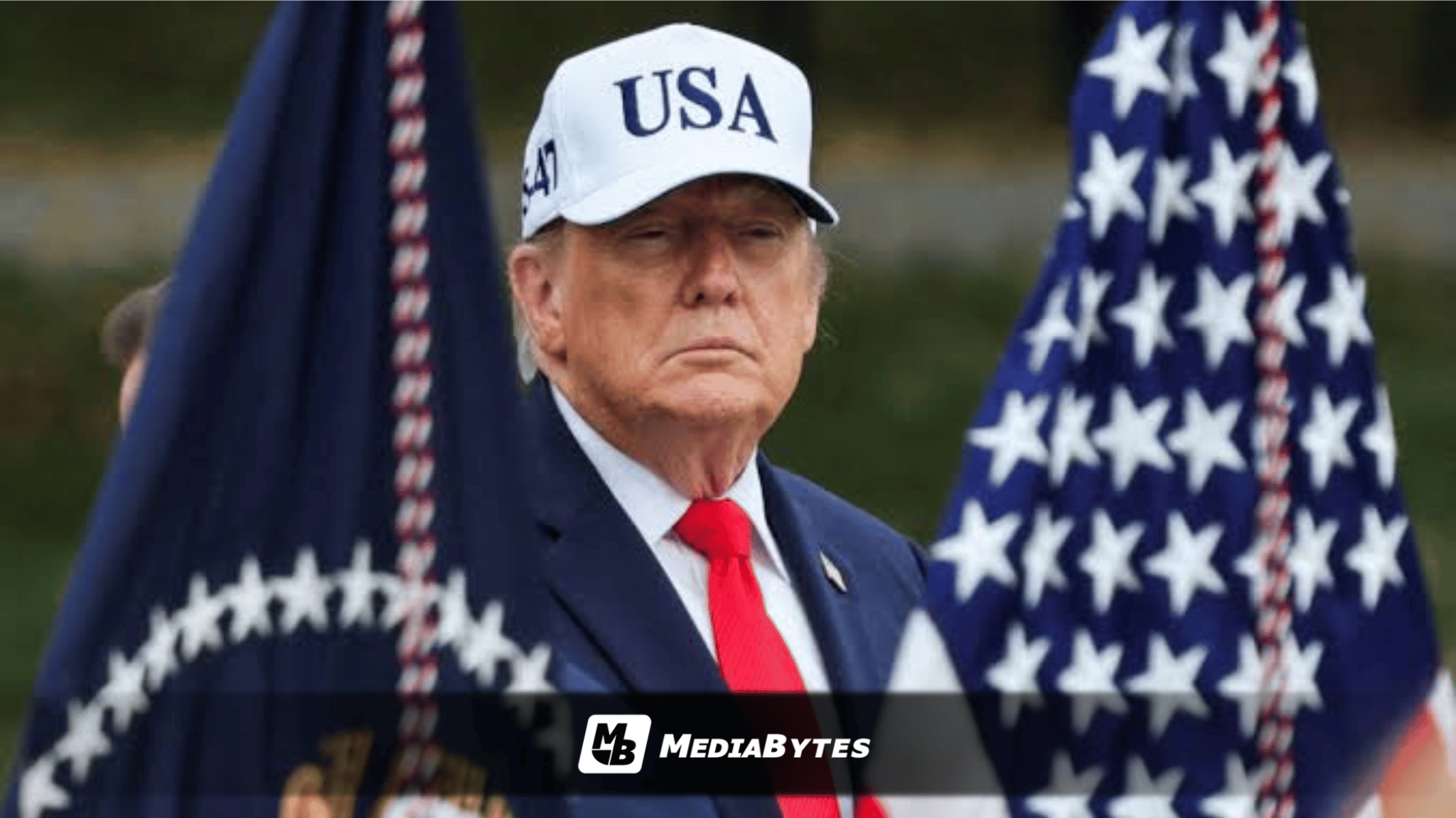
U.S. President Donald Trump is scheduled to meet Qatari Prime Minister and Foreign Minister Sheikh Mohammed bin Abdulrahman Al-Thani in Washington on Monday. The meeting comes as international mediation efforts intensify following the recent U.S. midterm elections, more than eight months after the conflict involving the U.S., Israel, and Iran began on February 28.
While President Trump has downplayed the likelihood of major military operations resuming immediately, officials from both the U.S. and Gulf nations have expressed skepticism regarding an imminent resolution.
Ongoing hostilities persist, marked by recent U.S. strikes on Iran’s Qeshm island, Iranian attacks on tankers in the Gulf and Strait of Hormuz, and Houthi strikes targeting Saudi Arabia.
Diplomatic Initiatives and Stances
Qatari Prime Minister Al-Thani travels to Washington following a visit to Tehran last week, continuing Qatar’s role as a key mediator. He is also set to meet U.S. Vice President JD Vance.
Iran has proposed a peace plan centered on ending the U.S. blockade on Iranian ports, lifting select sanctions, and halting airstrikes in exchange for Iran ending its blockade of the Strait of Hormuz, with subsequent talks planned for its nuclear program.
The U.S. administration has rejected the terms. U.S. Secretary of State Marco Rubio criticized the proposal during a Sunday statement.
“outrageous and ridiculous and really not realistic,” Rubio said.
Conversely, Iranian Foreign Ministry spokesperson Esmaeil Baghaei defended the framework on Monday, describing it as the most reasonable proposal currently available.
Political Pressures and Regional Reactions
Domestically, some senior U.S. Republicans—including Vice President Vance—have attributed recent party losses in the midterm elections to voter sentiment surrounding the Iran war. Despite mounting political pressure for a resolution, Rubio stated that a comprehensive diplomatic breakthrough is not expected immediately.
Anwar Gargash, a senior United Arab Emirates official, shared a similar perspective on Monday.
“We should… prepare for a long period of uncertainty in which neither a decisive resolution nor stable regional order can be taken for granted,” Gargash said.
Regional leaders are also voicing concerns over stability. Turkish President Tayyip Erdogan stated on Monday that he cautioned President Trump against further escalation during discussions.
“We emphasize at every opportunity that it is possible to resolve these issues through dialogue and diplomacy. Unfortunately, we see a negative shift once again. We are doing our utmost to prevent this,” Erdogan told reporters.