


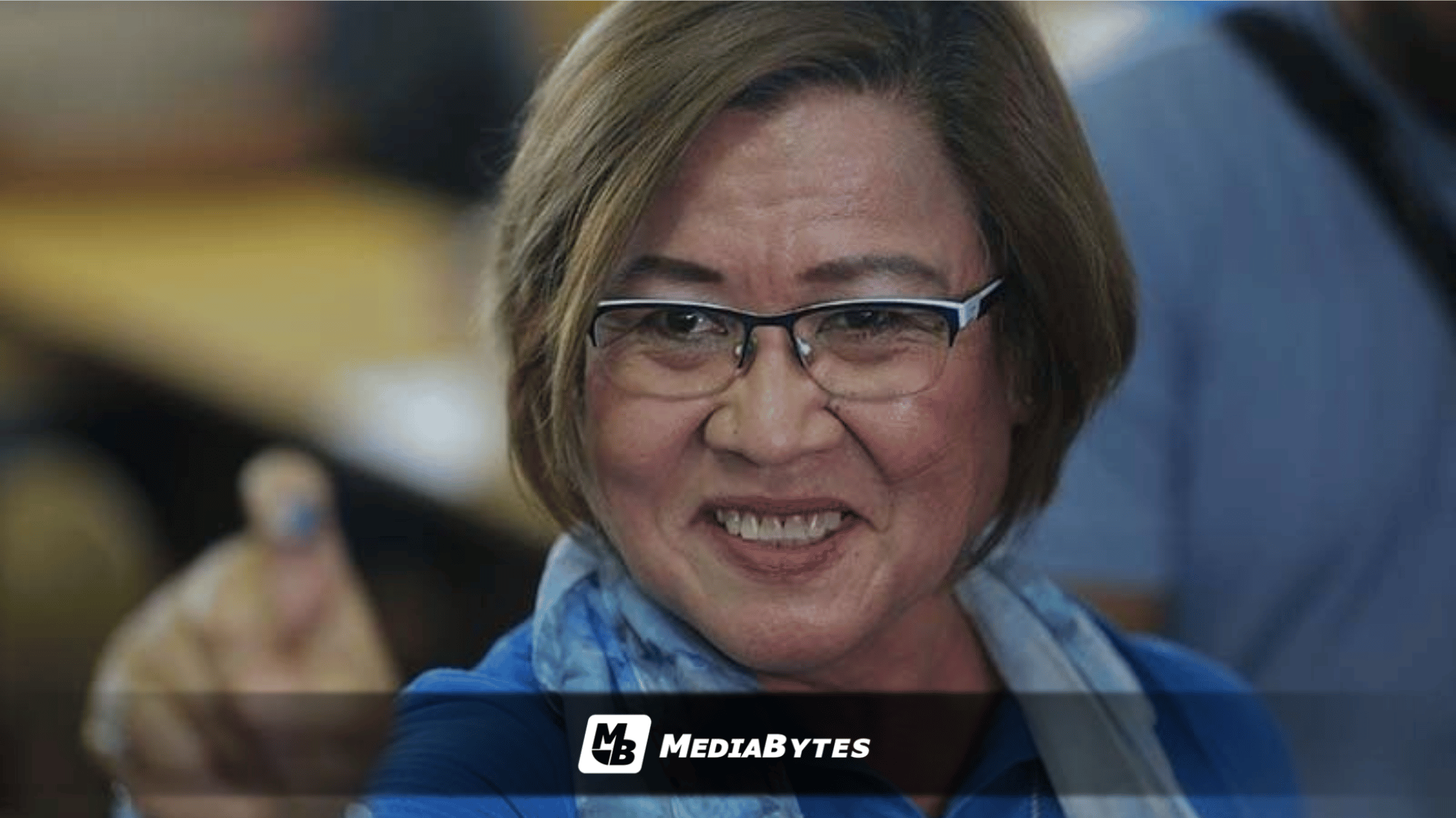
QUEZON CITY, Philippines — Mamamayang Liberal Party-list Representative Leila de Lima has filed a fresh legislative measure seeking to repeal criminal penalties for libel and oral defamation, pointing to the recent arrest of veteran journalist Philip Lustre Jr. as a key reason for reform.
De Lima filed House Bill (HB) No. 11842, titled the “Libel Decriminalization and Civil Defamation Act of 2026,” proposing that defamation cases be handled exclusively through civil remedies instead of imprisonment.
”Stop treating speech as a crime,” De Lima said.
The legislative push follows the October 24 arrest of Lustre under a cyberlibel warrant issued by a Davao City court regarding a complaint he stated he never received. It also follows separate libel and cyberlibel complaints filed against GMA Network and several of its journalists last month.
”Veteran journalist Philip Lustre Jr.’s arrest is the latest reminder that criminal libel punishes long before any verdict is handed down. The arrest, detention, bail and burden of defending a case far from home fall on the accused, whether or not the charge is ever proven. And this danger is not limited to members of the press,” De Lima stated.
According to the former Justice secretary, criminal libel laws are frequently weaponized by those in power to intimidate journalists, truth-seekers, and citizens who speak out against wrongdoing.
“Instead of protecting reputations, criminal libel is now being weaponized to silence journalists and truth-seekers,” she remarked, warning that lengthy legal battles filed far from an accused person’s residence severely damage democratic discourse.
“Complaints filed by those in power can silence truth-seekers and discourage others from speaking out. This causes immeasurable harm to our democracy. This has to end.”
Key Provisions of HB No. 11842
Under the proposed bill, the penal provisions for libel and oral defamation under the Revised Penal Code, as well as cyberlibel under Republic Act No. 10175 (the Cybercrime Prevention Act of 2012), would be repealed. In their place, the measure establishes a structured civil law framework under the Civil Code to handle defamation through proportional remedies and damages.
De Lima emphasized that the bill still ensures personal reputations remain safeguarded.
“Let us be clear: This measure does not ask the State to stop caring about people’s reputations. Honor will still be protected in civil courts, enforcing effective and proportionate remedies,” she explained.
The bill also introduces specific legal safeguards:
- Venue Restrictions: Cases must be filed either where the statement was originally published or where the complainant resides or holds office.
- Prescriptive Period: A strict one-year prescriptive period from the date of publication applies, with online articles clarifying that a new cause of action does not reset every time a post is accessed.
- Protected Speech: Fair comments, opinions, satire, and parody are protected as long as they do not present falsehoods as factual truth. Extortion via threats of publication, however, remains criminalized.
- Liability Limits: Responsibility is restricted to the original authors and those who approved publication, shielding content platforms and ordinary readers.
”The vigor of our democracy lies in our people’s ability to speak truth to power, hold public figures accountable, and participate in meaningful conversations about matters of public concern. Unfortunately, our libel laws have answered criticism with handcuffs, and free speech with the threat of imprisonment,” De Lima said.