


MANILA, Philippines — Malacañang has clarified that the United States will serve as just one of several potential suppliers for the Philippines’ agricultural and energy needs, emphasizing that upcoming trade arrangements with Washington will not compromise the livelihoods of local farmers, fisherfolk, and producers.
The statement was issued by Communications Undersecretary and Palace Press Officer Claire Castro on Sunday, November 22, following remarks from US President Donald Trump claiming that Manila had agreed to purchase 100 percent of its agricultural and energy requirements exclusively from the United States starting January 1.
In a video message, Castro explained that the Marcos administration is evaluating the US as an additional trading partner to broaden its supply network and secure more affordable commodities, characterizing the arrangement as a “victory for the country.”
“Kaya ang bansang US ay isang option na maging source ng mga produktong kakailanganin natin sa hinaharap,” Castro said.
She stressed that safeguarding domestic industries remains a non-negotiable priority in any economic agreement forged by the government.
“Ang anumang transaksyon na papasukin ng pamahalaan ni Pangulong Marcos Jr. ay sisiguraduhin na hindi magbibigay ng negatibong epekto sa sarili nating mga produkto at sa ating mga magsasaka at mangingisda,” she added.
According to Castro, diversifying the country’s import sources will help stabilize food and energy inventories while mitigating inflation through competitive pricing.
“Mas maraming source, mas mababang presyo. Mas maraming source, mas madaling maibsan ang pagtaas ng inflation rate. Mas siguradong food and energy supply,” she noted.
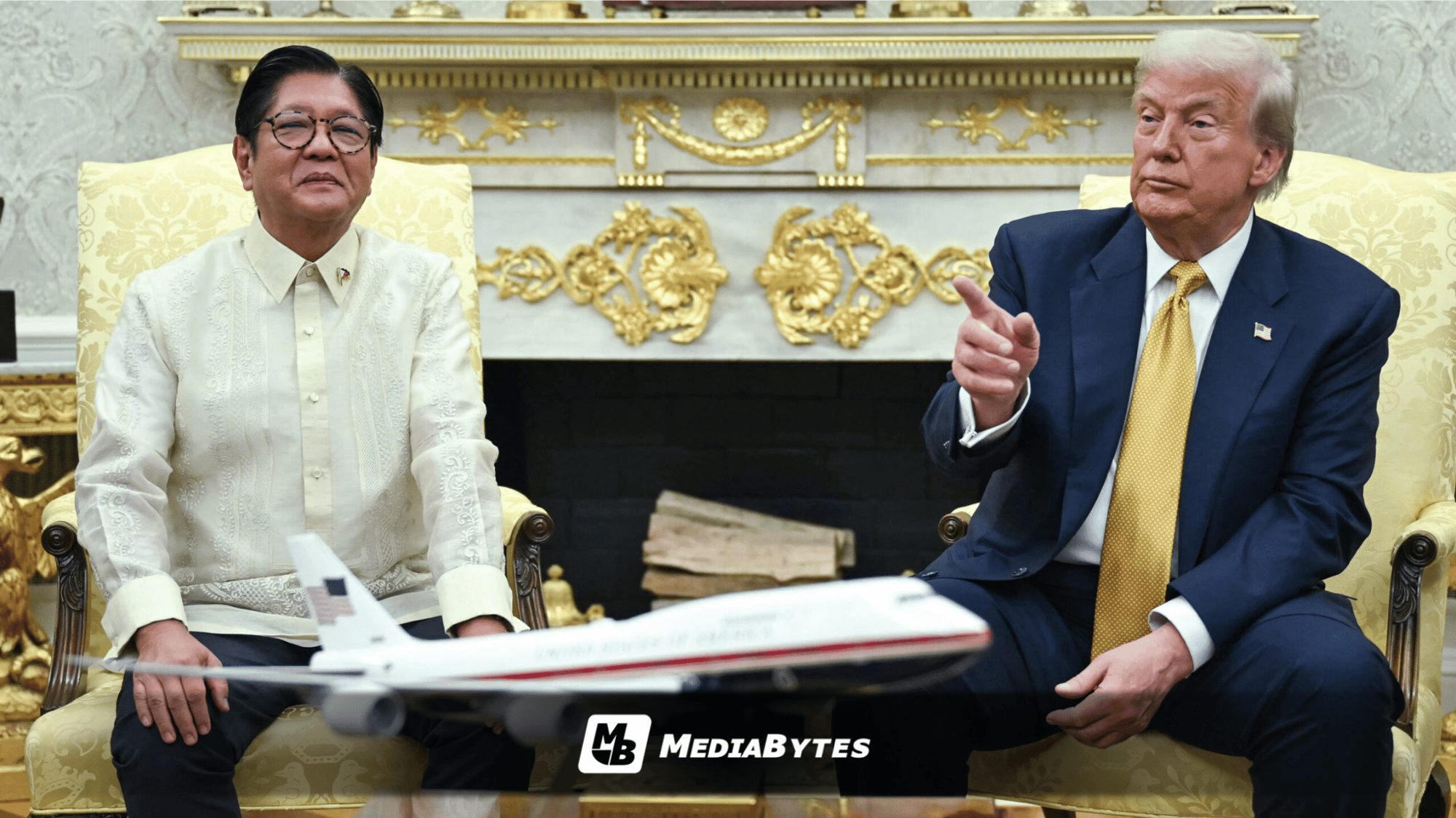
Castro’s remarks came in response to a White House briefing where Trump recounted instructing Philippine officials to source all agricultural imports from American producers rather than countries like Brazil.
“You buy 100 percent of your agriculture from January 1st from our farmers,” Trump said during the briefing.
The US president also asserted that the Philippines would halt energy imports from the Middle East in favor of exclusive US sourcing, adding a stark warning:
“And if they don’t, then they have problems.”
Despite Trump’s statements, an official White House fact sheet regarding his state visit to Manila characterizes the agreement simply as an increase in Philippine purchases of American agricultural and energy goods aimed at eliminating the US trade deficit, making no mention of a 100 percent exclusivity commitment.