


MANILA, Philippines — Air passenger volume across the Philippines held steady at 46.30 million during the first nine months of the year, as elevated ticket prices tempered the aviation sector’s post-pandemic growth momentum.
Figures released by the Civil Aeronautics Board (CAB) indicate a slight dip from the 46.84 million travelers recorded during the same January-to-September period last year.
Domestic travel, which made up 53 percent of total air traffic, eased to 24.63 million passengers from 24.95 million a year earlier. International passenger volume likewise edged down by roughly one percent to 21.68 million, compared to 21.89 million in the previous year. Foreign carriers accounted for nearly 12 million international flyers, while local airlines transported the remaining 9.68 million.
Despite the overall plateau in demand, Cebu Pacific retained its position as the country’s largest airline by passenger volume, capturing more than 40 percent of the market. Together with its regional arm Cebgo and boutique carrier AirSwift, the budget airline flew a combined 18.91 million passengers through September.
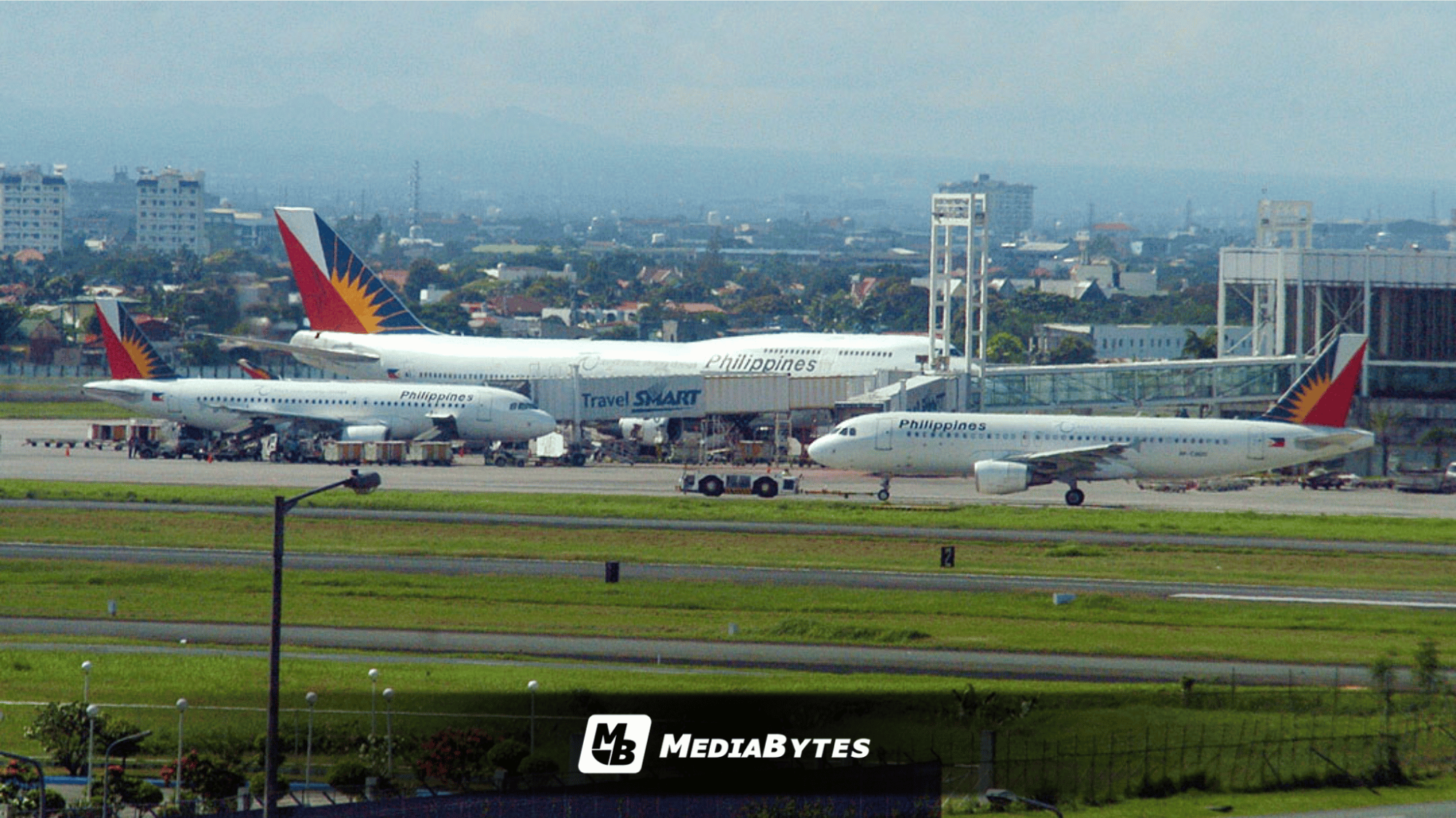
Flag carrier Philippine Airlines (PAL) and its low-cost subsidiary PAL Express ranked second, handling 11.57 million passengers to secure a quarter of total air traffic. AirAsia Philippines followed in third place with 3.71 million flyers. Among smaller local operators, Sunlight Air carried 113,896 passengers, Island Aviation logged 8,403, and Royal Air Philippines recorded 1,018.
While industry volume proved resilient against fears of a steeper slump, higher airfares have cooled the rapid expansion seen last year, when total passenger traffic hit a record 62.34 million.
Travelers are currently facing significantly higher ticket costs after the CAB authorized increased fuel surcharges in response to surging jet fuel prices, which remain volatile due to ongoing conflict in the Middle East. To track fluctuating market rates more closely, the regulator shifted to a 15-day adjustment cycle rather than its traditional monthly schedule.
For the November 16 to 30 period, the CAB set the fuel surcharge at Level 16—four tiers below its maximum cap. Under this bracket, airlines are permitted to charge an extra ₱525 to ₱1,535 for domestic flights and between ₱1,733.76 and ₱12,891.29 for international trips.
The spike in fuel expenses has also weighed heavily on carrier balance sheets. During the nine-month period, Cebu Pacific’s net loss widened to nearly ₱13 billion, while PAL swung to a net loss of ₱9.74 billion.