


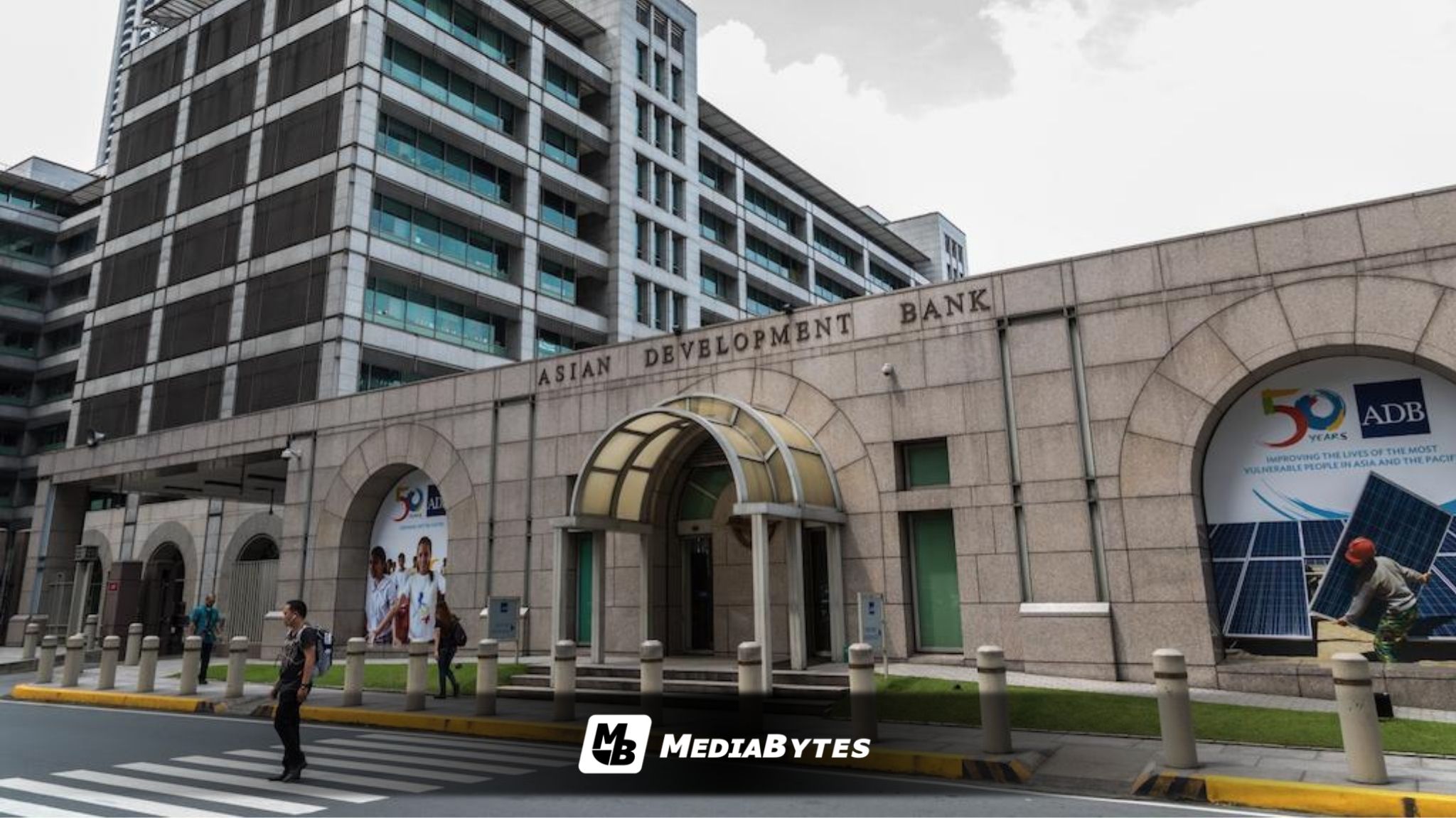
The Asian Development Bank has lowered its economic growth projection for the Philippines to 4.4 percent in 2026, down from an earlier estimate of 5.3 percent, citing the economic impact of the ongoing conflict in the Middle East. Inflation is also expected to rise to around 4 percent.
ADB Philippines Senior Economics Officer Teresa Mendoza said the revised forecast assumes a short-lived conflict but flagged inflation as a major risk factor affecting consumption and investment.
“The 4.4 percent under the early stabilization scenario assumed a short-lived Middle East conflict. We continue to monitor several transmission channels, primarily inflation, its drag on household consumption, and also investment,” Mendoza explained.
The ADB noted that rising petroleum prices are weighing on economic activity by discouraging investments, reducing household spending, and straining government finances.
Higher transport and fuel costs, along with increases in global prices of food, fertilizer, and other commodities, are also contributing to inflationary pressures. Currency depreciation is further pushing up the cost of imports.
ADB Senior Economist Jaqueson Galimberti highlighted the Middle East’s crucial role in global supply chains, noting that the region accounts for nearly half of global urea exports and about 30 percent of ammonia exports—both essential inputs for fertilizer production. He also underscored its importance as a supplier of sulfur and helium, key components in semiconductor manufacturing.
Meanwhile, ADB Philippines Country Director Andrew Jeffries said the economic impact of rising costs is unevenly felt across the population.
“It’s a much more pronounced negative effect for pockets of the population as opposed to the whole GDP of the country as a whole. So that’s the concern,” Jeffries said.
The ADB warned that a prolonged conflict could intensify economic pressures on oil-importing countries like the Philippines, but expressed hope that an early resolution would help ease strain on the global economy.