


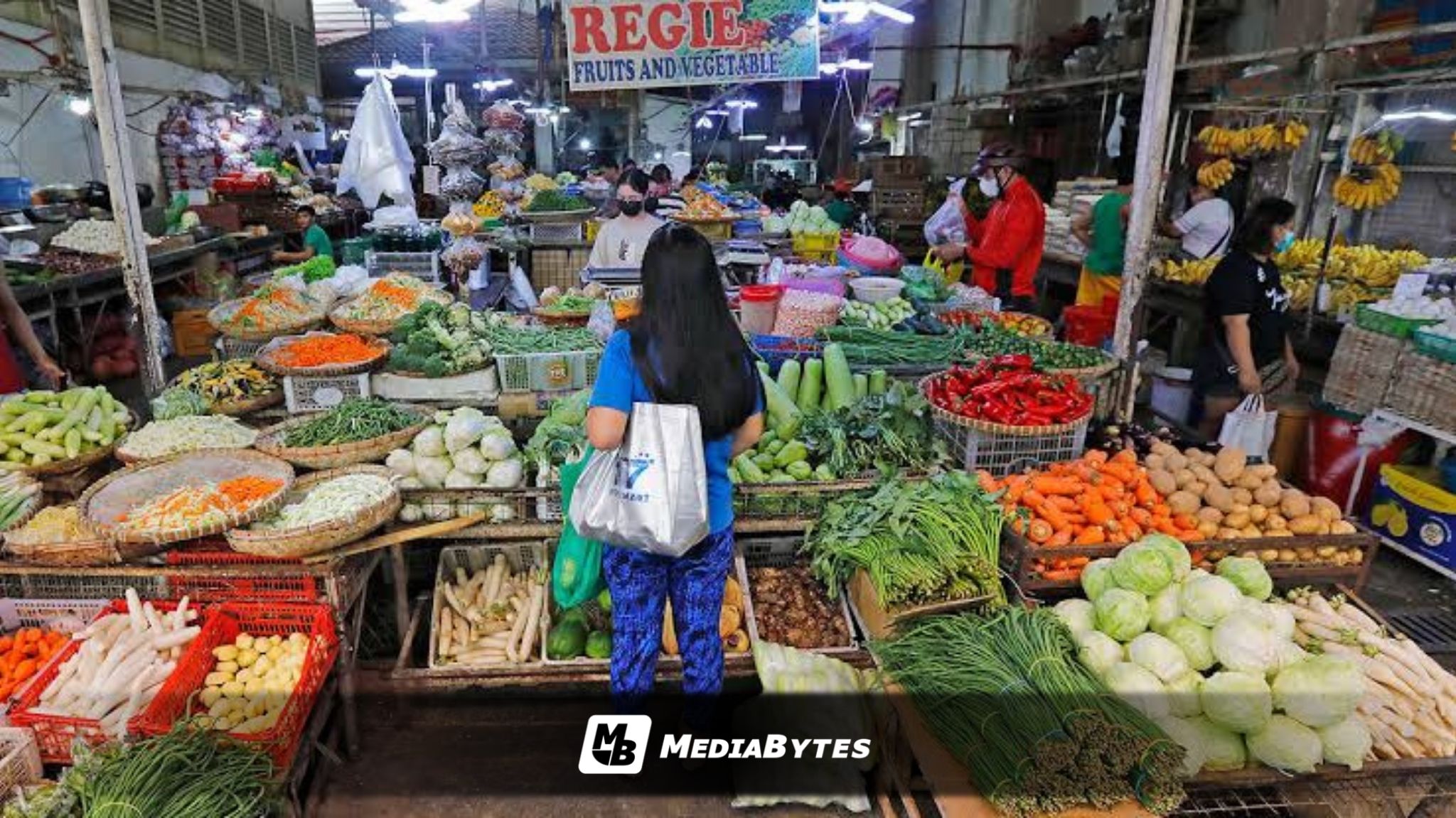
The Department of Agriculture (DA) on Thursday assured that the country’s food supply will remain sufficient until July, despite uncertainties stemming from the ongoing conflict in the Middle East.
Agriculture Secretary Francisco Tiu Laurel Jr. said inventories of key commodities remain strong, easing fears of shortages and price spikes.
“Definitely, walang issue sa supply. I can safely say hanggang June or even July, walang issue sa supply of almost everything.”
He added that prices are expected to stay stable, supported by current stocks of rice, corn, sugar, vegetables, and livestock. The country is also in its peak harvest season for rice and onions, alongside dry-season harvest and vegetable planting.
Tiu Laurel also announced the expansion of affordable rice options through Food Terminal Inc. (FTI), including “Binhi” rice at ₱48 per kilo and Planters Products Inc. (PPI) rice at ₱45 per kilo.
These are now available in 36 Metro Manila markets, with distribution set to expand to Metro Cebu, Cebu province, Cavite, and Bulacan.
“It’s just an option for the people, and para makita nila na ito imported din, maganda din, ito lang ang dapat na presyo,” he said.
Retail rice prices remain under close monitoring amid rising logistics costs. Tiu Laurel noted a ₱2 per kilo increase due to higher freight and transport expenses.
Data from DA Bantay Presyo showed premium imported rice in Metro Manila selling at ₱55–₱63 per kilo, while imported well-milled rice ranged from ₱45–₱49, and regular-milled rice at ₱42–₱45. Local premium rice was priced at ₱46–₱60 per kilo, with well-milled at ₱45 and regular-milled at ₱40.
“Dapat ang imported nasa ₱45 to ₱50 iyan, anything above that is, tingin ko, is profiteering talaga and taking advantage,” Tiu Laurel said.
He added that the landed cost of imported rice is around ₱35 per kilo, with a projected ₱10 margin for traders and retailers.
On the proposed ₱50 per kilo price cap for imported rice, the DA has submitted its report to the National Price Coordinating Council (NPCC).
Progress on the measure is expected after Holy Week, from March 29 to April 5.