


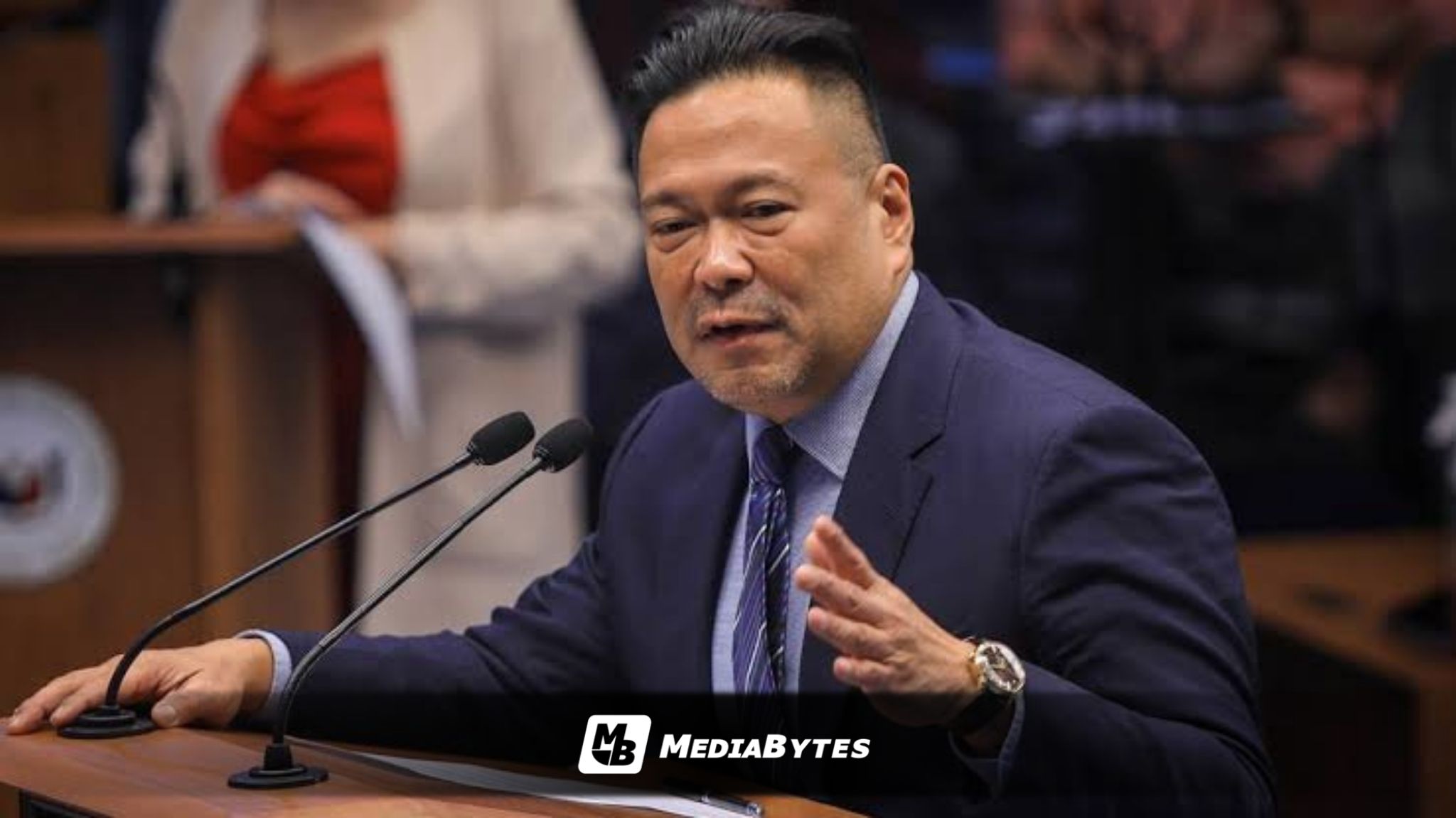
Senate Deputy Majority Leader JV Ejercito has raised concerns over the Philippines’ limited fuel storage capacity, warning that the country remains vulnerable to global supply disruptions due to insufficient reserves.
In a radio interview on Saturday, Ejercito said the country’s fuel buffer is significantly lower compared to other nations.
“Limitado ‘yung ating storage capacity… Kung hindi ako nagkakamali 60 days lang,” Ejercito said, noting that countries like Japan can maintain reserves for up to 250 days.
He emphasized the need to expand storage infrastructure as a core component of the government’s long-term energy security strategy.
“Para ‘pag may mga ganitong krisis o mga ganitong pangyayari, kahit papaano meron tayong buffer stock ng fuel na hindi agad maapektuhan ‘yung ating ekonomiya,” he added.
Energy Secretary Sharon Garin earlier told lawmakers that the country can only sustain around 60 days’ worth of fuel reserves due to limited storage facilities.
She noted that while the government had planned to procure up to two million barrels—equivalent to about 10 days of supply—it has only managed to acquire half of the target.
“We are only good for about 60 days in total, 57.8 days for gasoline and 47.26 days for diesel,” Garin said during a House hearing.
Ejercito also flagged structural issues in the Downstream Oil Industry Deregulation Act of 1998, saying it has largely placed control of fuel supply in the hands of private companies.
“Ipinaubaya na natin sa mga oil companies ang basta anything about fuel, ‘yung negosyo nito, about the industry. ‘Yun ang masakit dito. Halos wala nang naging kontrol ang ating pamahalaan,” he said.
He called for a review of the law to promote competition and strengthen government oversight.
“Kailangan siguro reviewhin, if not i-repeal, yung ating oil deregulation law kung kinakailangan,” he added.
Meanwhile, Senate President Vicente Sotto III has filed a measure seeking to repeal the deregulation law and restore greater state authority over fuel pricing.
The renewed calls come as policymakers face growing pressure to strengthen the country’s energy security amid global uncertainties affecting fuel supply and prices.