


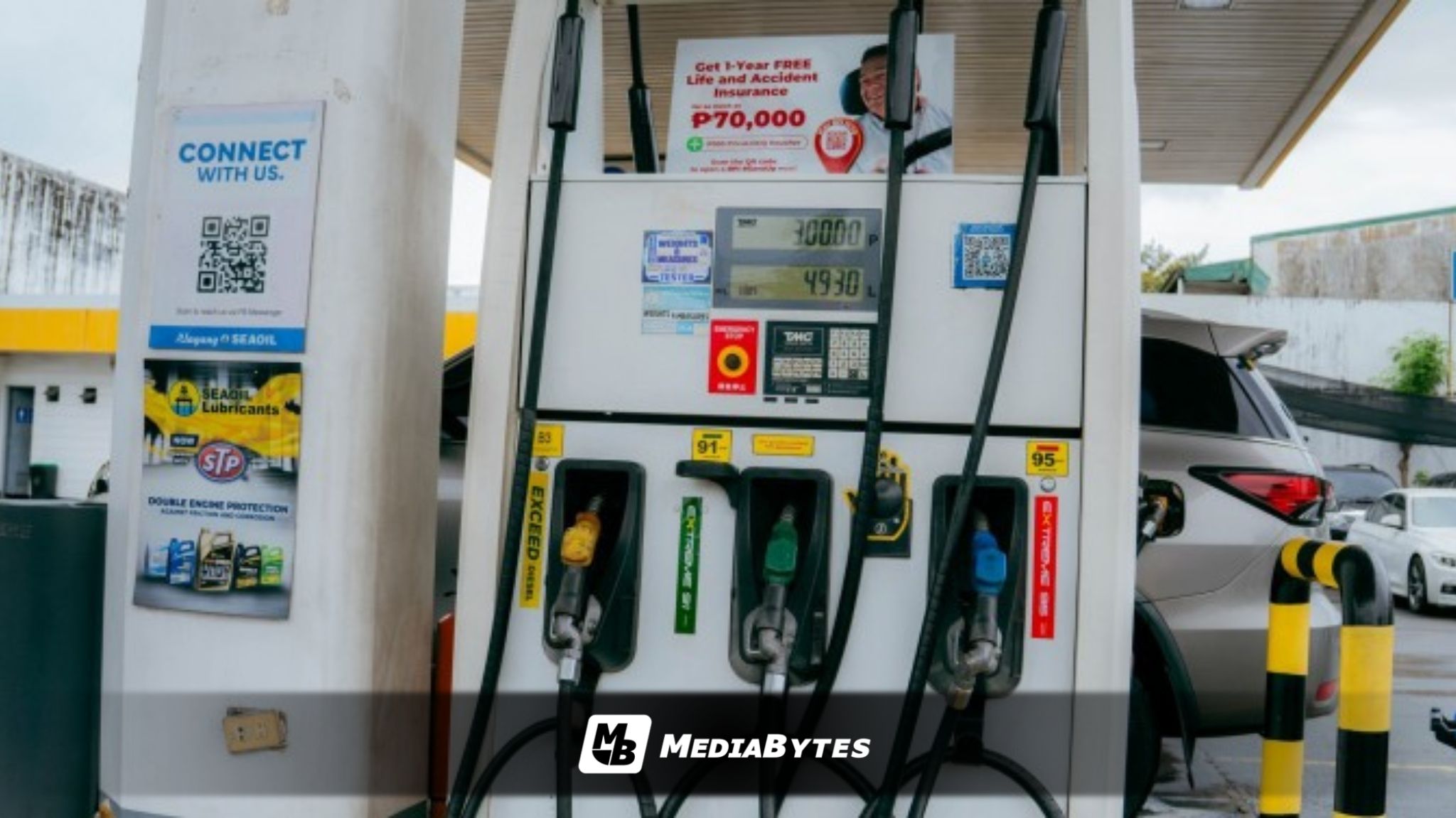
The government may announce as early as next week the possible suspension or reduction of fuel excise tax on petroleum products, according to Finance Undersecretary Karlo Fermin Adriano.
During a hearing of the Legislative Energy Action Development (LEAD) Council on Wednesday, Gabriela Party-list Representative Sarah Elago pressed officials on the urgency of implementing the law granting President Ferdinand Marcos Jr. the authority to suspend or lower excise taxes on fuel.
“Sana naman bago yung next hearing natin meron na tayong aasahan dyan na announcement. Kasi ang nararamdaman po namin dito parang walang sense of urgency,” Elago said.
Adriano explained that any measure would take effect 15 days after publication.
“Most likely there will be an announcement next week. Again meron na pong rekomendasyon ang DBCC (Development Budget Coordination Committee) at nagpresinta na po kami sa presidente,” he noted.
Meanwhile, Marikina City 2nd District Representative Miro Quimbo sought clarification on whether the recommendation was for a full suspension.
Adriano did not confirm, saying only,
“Meron na po kaming recommendation dun… Suspension or reduction.”
Elago also asked about the duration of the measure, to which Adriano responded that under the law, any suspension or reduction would be effective for a maximum of three months, subject to automatic reversal afterward.
If implemented, Adriano said diesel prices could drop by around ₱6.70 per liter, while gasoline prices could decrease by about ₱11 per liter, assuming the savings are fully passed on to consumers.
“Basically po sa excise tax for instance sa diesel po its ₱6 per liter. So kung isu-suspend nyo sa, yung ₱6 that’s minus ₱6 and the VAT on the ₱6. More or less mga ₱6.70 per liter… Pagdating po sa gasoline that around ₱10 per liter yung ating excise so more or less, kung isasama mo ‘yung VAT on excise that ₱11 per liter savings,” Adriano explained.
The proposed move is being considered as a relief measure amid rising fuel costs and mounting economic pressures on consumers.