


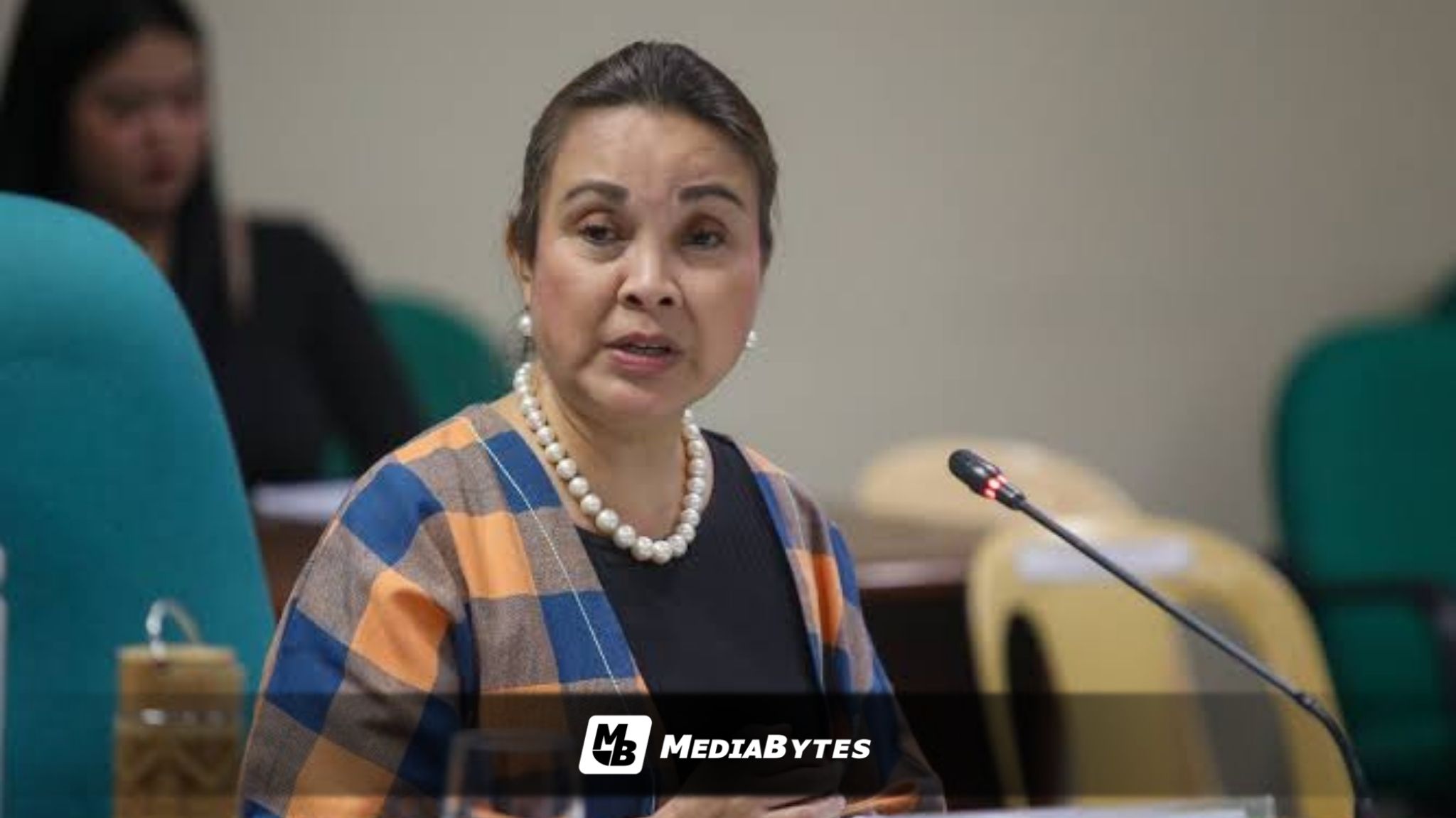
Senator Loren Legarda has filed three bills seeking a major overhaul of the Philippines’ value-added tax (VAT) system, aiming to reduce the financial burden on households by lowering VAT rates on essentials, exempting basic goods and services, and revising electricity-related charges.
The measures are designed to balance the tax system by easing everyday consumption costs while maintaining higher taxes on luxury items.
“Relief must be responsible. We can ease the burden on ordinary families without draining government funds,” Legarda said in a statement Tuesday.
“This reform lowers VAT where it matters most, on everyday consumption, while ensuring that those who can afford luxury and premium goods continue to contribute fairly,” she added.
One bill, the Differentiated Value-Added Tax Rates Act, proposes reducing the standard VAT rate from 12% to 10%, while retaining 12% for luxury and environmentally harmful products such as high-end vehicles, premium real estate, designer goods, private aircraft, vessels, and sin products.
Legarda argued that the current uniform VAT rate disproportionately affects poorer households.
“Why should basic goods and luxury items pay the same VAT? Poor households spend a much larger share of their income on food and essential needs. When we tax survival and luxury at the same rate, the burden falls disproportionately on those with the least capacity to absorb it,” she said.
A second proposal, the Murang Bilihin at Serbisyong Medikal Act, would exempt essential items and services—including medicines, first-aid supplies, canned goods, noodles, bread, cooking oil, laundry soap, sanitary products, water, electricity within lifeline thresholds, and basic internet access—from VAT.
“If we are serious about easing the burden on Filipino families, we must ensure that the tax system does not unnecessarily inflate their power bills,” Legarda said, stressing that electricity for basic household needs should not be treated as a luxury.
The third bill seeks to revise VAT treatment of electricity-related subsidies and statutory charges under the Electric Power Industry Reform Act. It would exclude lifeline subsidies for low-income households, senior citizen discounts, and cooperative capital contributions from VAT calculations.
“These amounts are already contributions of our citizens to good public causes, missionary electrification, cleaner energy, and lifeline rates for the poor. Let us not increase the burden by taxing these contributions again,” Legarda said.