


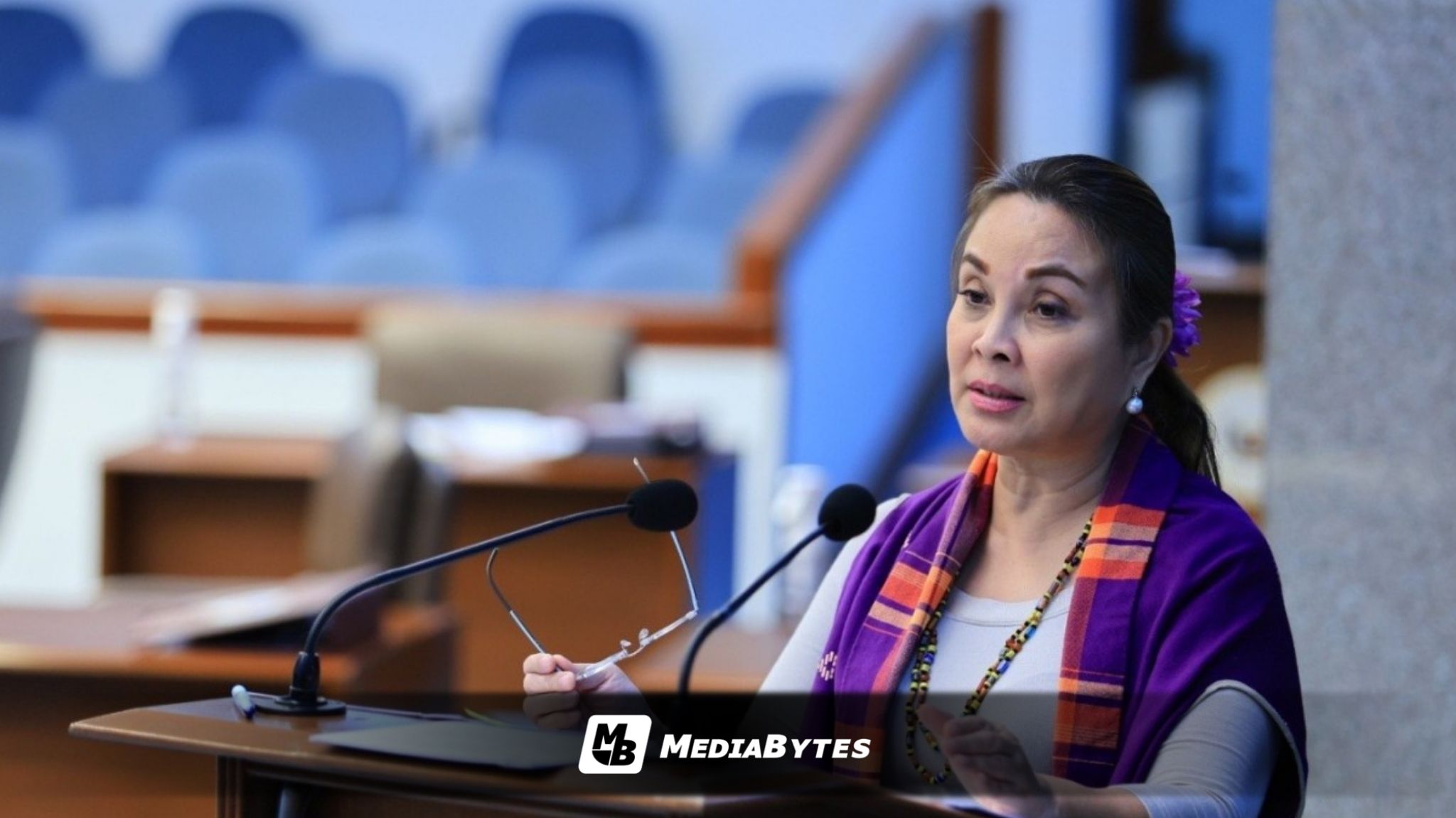
Senator Loren Legarda on Tuesday pressed the government to prioritize reforms in the earliest years of formal education, warning that learning gaps take root as early as kindergarten and deepen by Grade 3 if not promptly addressed.
Citing data from the Second Congressional Commission on Education (EDCOM II), Legarda noted that close to half of Filipino pupils still struggle to read at grade level by the end of Grade 3.
She also pointed to findings from UNICEF and the World Bank showing that 91 percent of Filipino children in late primary school are unable to read and comprehend a simple story.
“What begins as a reading problem ultimately becomes a learning crisis. If we fail our children in the early years, we fail them for life. This is a crisis we cannot afford to ignore,” Legarda said in a statement.
While the country has established an Early Childhood Care and Development framework through Republic Act No. 12199, the senator underscored persistent gaps in the transition from early childhood programs to the first three years of basic education.
She described Kindergarten to Grade 3 as a decisive phase in a child’s academic journey, stressing that without sustained and deliberate investment during these formative years, early interventions may not translate into long-term gains.
Legarda advocated for a “prevention-first” approach centered on strengthening foundational skills at the outset to minimize the need for remedial and catch-up measures in higher grades.
She emphasized that literacy and numeracy must be taught alongside socio-emotional development and values formation, treating them as essential components of the curriculum rather than supplementary elements.
“Foundational learning is more than learning how to read and count. It is about nurturing and building the skills, habits, and values that shape a child for life,” she said. “It is about raising citizens who can think critically, care deeply, and act with integrity and responsibility.”
The veteran lawmaker also linked improvements in early-grade education to broader systemic gains, including reduced repetition and dropout rates and more efficient allocation of education resources.
“When we give every Filipino child the tools to read, count, and care, we give them the power to dream, to achieve and to contribute meaningfully to our country’s future,” Legarda added.