


The Philippine Atmospheric, Geophysical and Astronomical Services Administration (PAGASA) announced on Monday, March 9, the official end of the La Niña phenomenon, saying climate conditions in the tropical Pacific have returned to El Niño–Southern Oscillation (ENSO)-neutral levels.
In its advisory, PAGASA said the Oceanic Niño Index now indicates neutral conditions, prompting the release of its final advisory for the 2025–2026 La Niña episode. The country’s ENSO Alert and Warning System has been downgraded to ENSO-neutral status.
ENSO-neutral occurs when neither El Niño nor La Niña is present, with sea surface temperatures in the equatorial Pacific Ocean remaining close to average levels. During this phase, the atmosphere–ocean system does not strongly favor wetter or drier climate patterns.
Climate model forecasts suggest ENSO-neutral conditions are likely to persist from the January–February–March season through the June–July–August 2026 period.
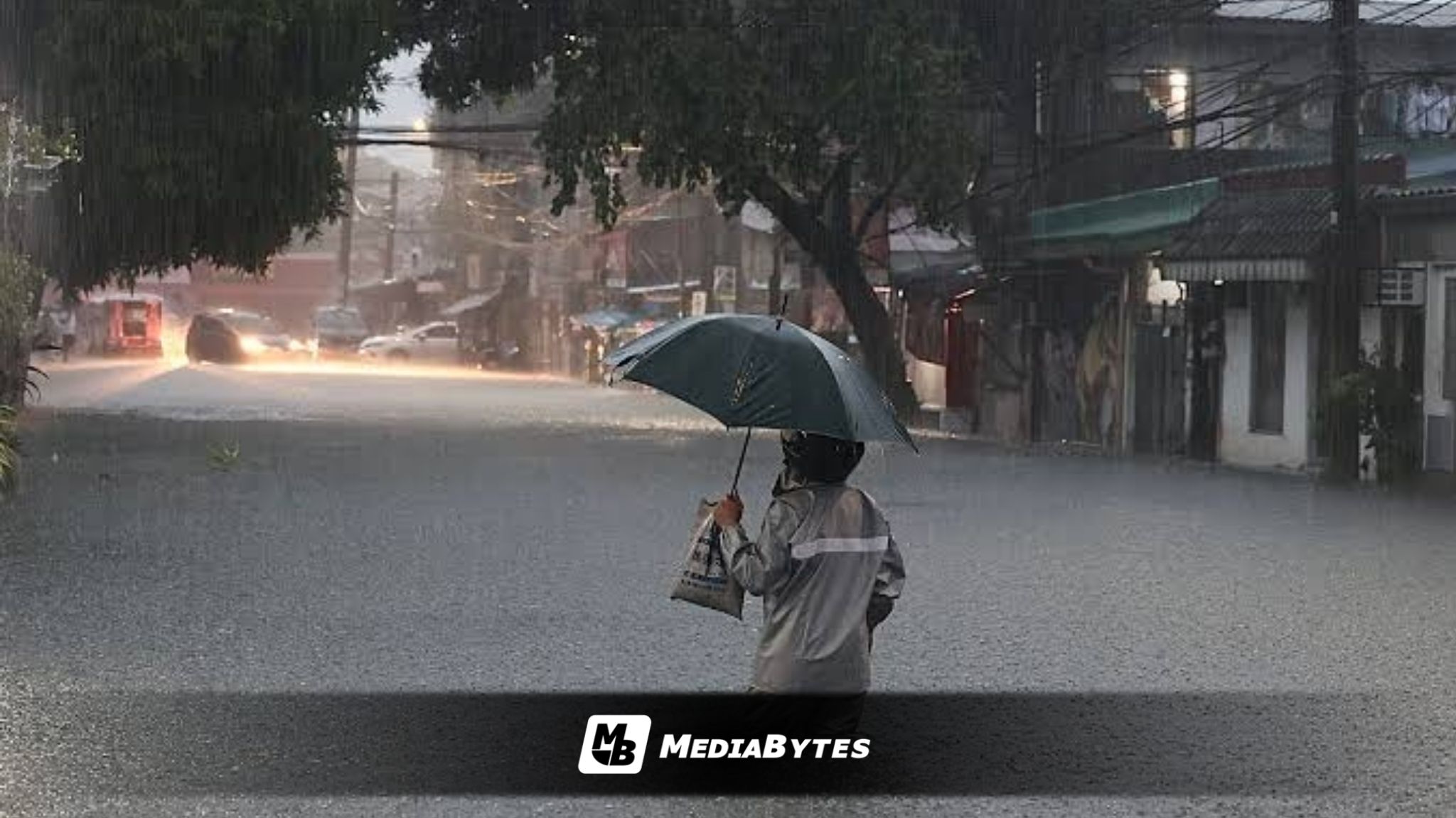
PAGASA first raised a La Niña Alert on September 15, 2025, later confirming its onset in early December 2025. The weak episode was expected to last until the first quarter of 2026, bringing enhanced rainfall and increasing risks of floods and landslides in parts of the Philippines.
Despite the end of La Niña, PAGASA warned that other weather systems could still affect rainfall distribution nationwide.
The agency cautioned that occasional heavy rains may trigger flash floods and rain-induced landslides, particularly in vulnerable areas.
PAGASA assured continued monitoring of weather and climate conditions and urged the public and government agencies to remain vigilant and take precautionary measures against hazards.