


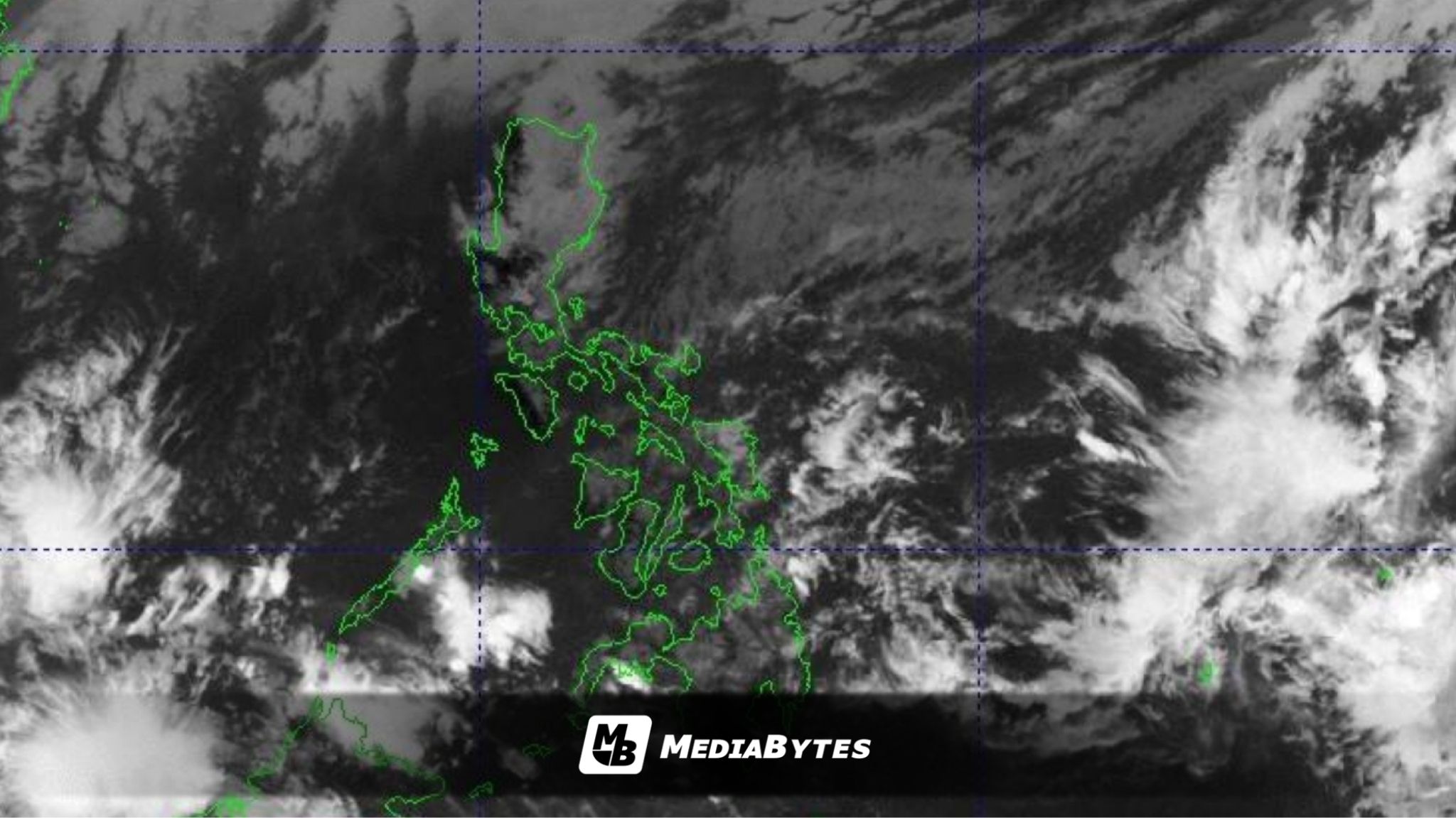
The Philippine Atmospheric, Geophysical and Astronomical Services Administration (PAGASA) announced that a weak and “short-lived” La Niña has developed in the tropical Pacific and is expected to persist until early 2026.
La Niña is characterized by the cooling of sea surface temperatures in the central and east-central equatorial Pacific.
According to PAGASA Administrator Nathaniel Servando, cooling began in September 2025 and reached the weak La Niña threshold in November.
“Recent oceanic and atmospheric conditions indicate that La Niña has developed in the tropical Pacific… Based on the latest forecast, La Niña is likely to persist until the first quarter of 2026,” Servando said.
PAGASA noted that weak La Niña conditions occur when a one-month sea surface temperature anomaly of -0.5°C or lower is observed, with a corresponding 3-month Oceanic Niño Index of -0.5°C or less between September 2025 and January 2026. Several climate models also suggest its continuation through December 2025 to February 2026.
The weather bureau warned that the phenomenon could bring above-normal rainfall during the year’s last quarter and early 2026, raising the risk of floods, flash floods, landslides, and increased tropical cyclone activity.