


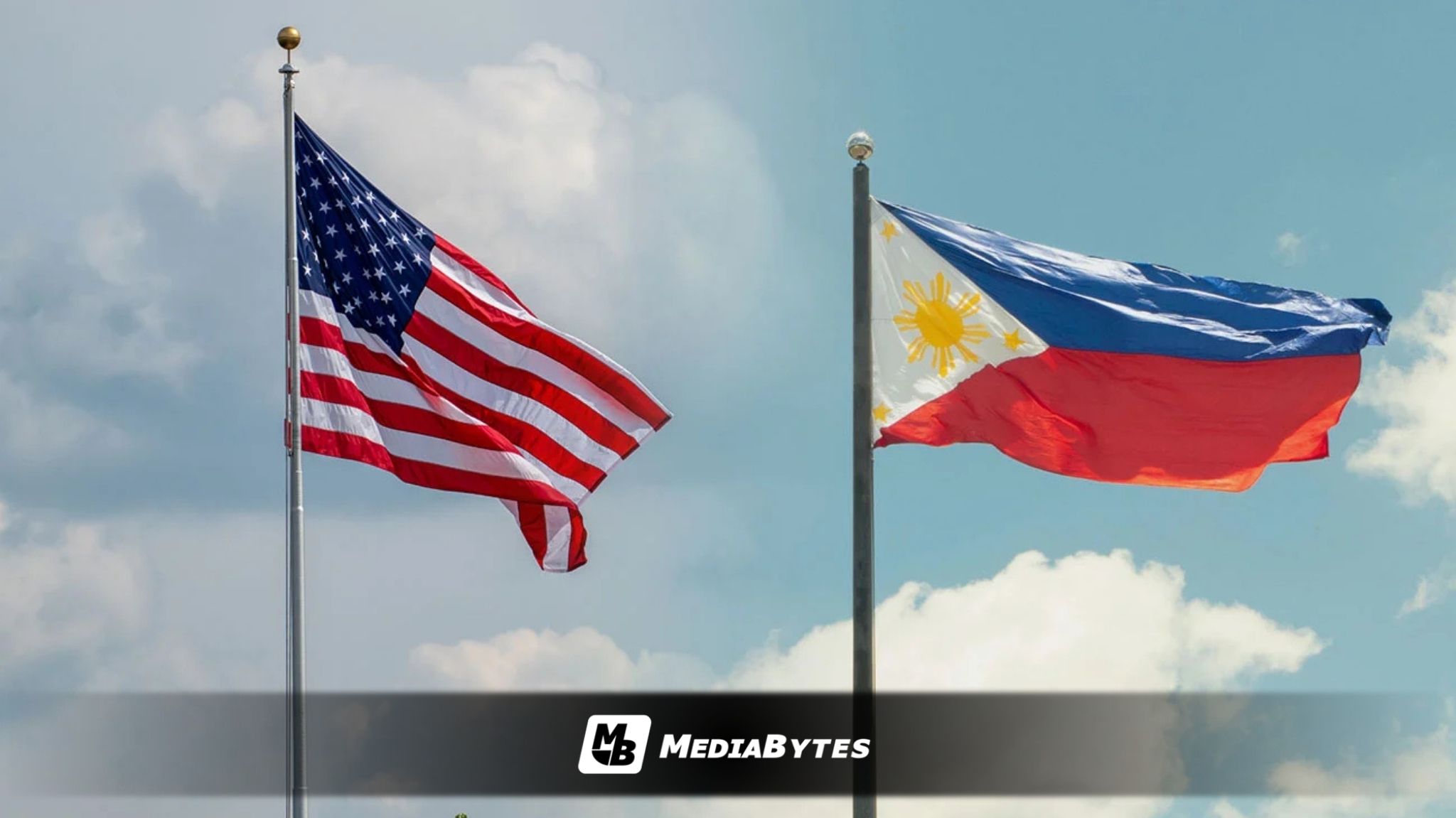
Malacañang Palace said Saturday that the Philippines will monitor and cooperate with the United States in its investigation into allegations that Manila has failed to ban the import of goods produced through forced labor.
The statement followed the launch of a probe by the Office of the United States Trade Representative (USTR) under Section 301 of the Trade Act of 1974, which seeks to determine whether the Philippines and 50 other trading partners have effectively enforced prohibitions against such imports.
Communications Undersecretary and Palace Press Officer Claire Castro, citing Trade Secretary Cristina Roque, said the government is taking note of the U.S. action.
“We will closely monitor and actively participate in the investigation to address the concerns of the United States,” Castro said, echoing Roque’s remarks.
The U.S. review covers 59 countries, including major economies such as Australia, Canada, China, the European Union, Japan, South Korea, Singapore, Thailand, and Vietnam, as well as Southeast Asian neighbors Cambodia, Indonesia, and Malaysia.
The administration of Donald Trump aims to determine whether the acts, policies, or practices of these governments fail to enforce bans on imports produced with forced labor, which could give companies that exploit such labor an “artificial cost advantage” over American businesses.
Section 301 empowers the USTR to impose measures such as tariffs, import restrictions, or binding agreements in response to unfair trade practices.
The agency has also requested formal consultations with the governments under review.