


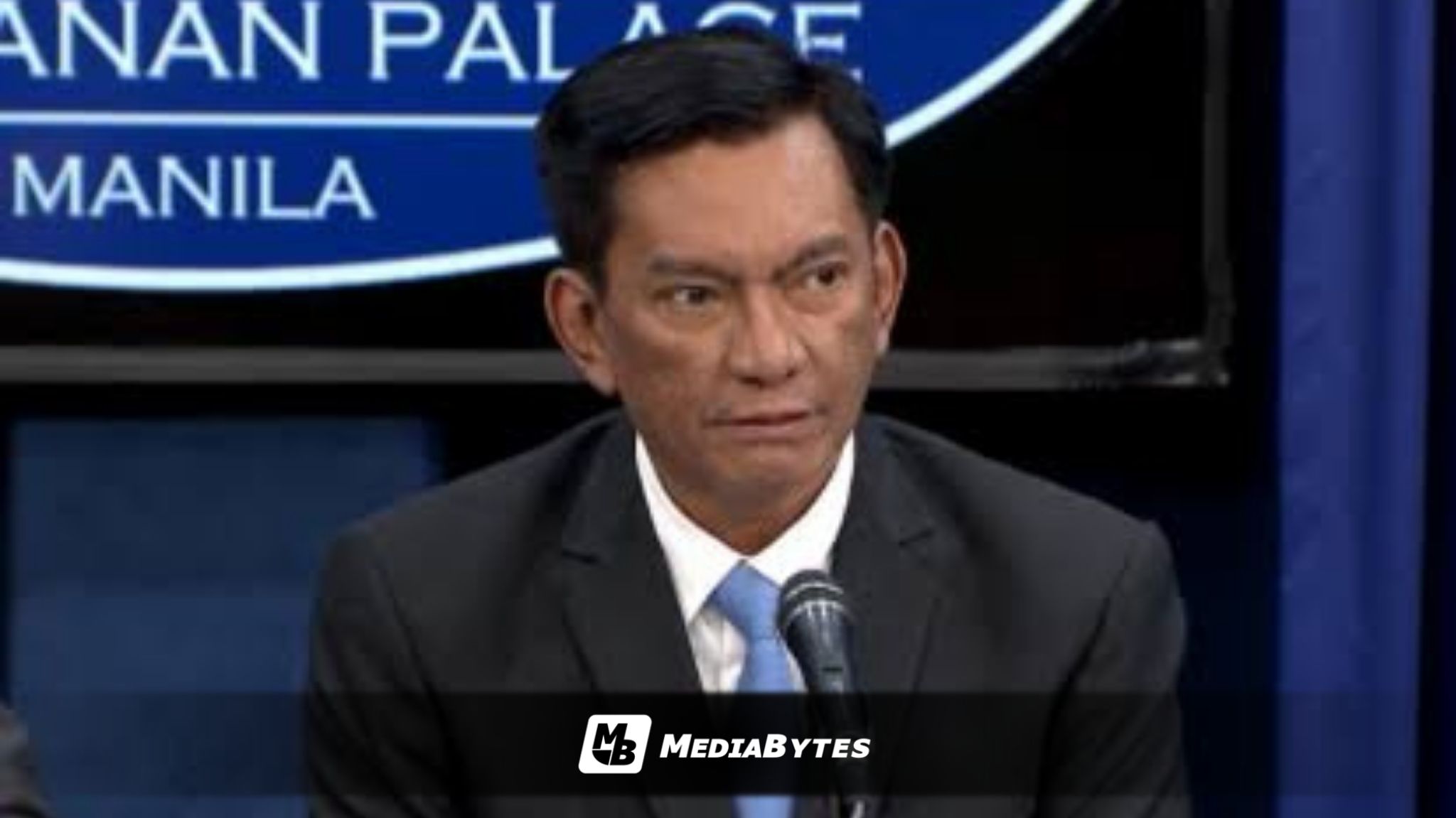
Former Albay 2nd District Representative Joey Salceda said President Ferdinand Marcos Jr. is assembling what he described as the most comprehensive industrial policy toolkit of any Philippine administration—moving beyond the long-standing debate over tax incentives.
Now chair of the Institute for Risk and Strategic Studies, Salceda said early gains are evident in investment pledges, trade partnerships, and renewed manufacturing activity.
“For thirty years, our approach to industrial policy has essentially been a negotiation between DTI, which wants to grant tax incentives, and DOF, which wants to limit them. That is not industrial policy. That is tax administration.”
He explained that the Marcos administration is combining fiscal incentives, infrastructure, credit access, procurement preferences, trade positioning, investment promotion, and foreign partnerships into a unified framework.
Among the examples he cited was the ₱50.7-billion expansion of Samsung Electro-Mechanics Philippines Corporation, announced during the 2025 APEC summit.
The firm will build a facility in Calamba, Laguna to produce automotive multilayer ceramic capacitors (MLCCs) for electric vehicles and smart devices. The project is projected to create over 3,500 high-tech jobs and begin operations by July 2027.
“Samsung was the very first project to receive Presidential Incentives under CREATE MORE. That was deliberate. The President personally engaged Samsung’s leadership and closed the deal at APEC. That is what industrial policy looks like when it works.”
Salceda also highlighted the February 4 Memorandum of Understanding between the Department of Environment and Natural Resources (DENR) and the United States on critical minerals, which commits the Philippines to domestic processing of nickel, copper, cobalt, and chromite under a U.S.-led partnership that includes Australia, Canada, Japan, South Korea, and the United Kingdom.
He pointed to other policy tools such as CREATE, CREATE MORE, the PPP Code, the Tatak Pinoy Act, the amended Public Service Act, the Investors’ Lease Act, and Executive Order 18 on Green Lanes.
However, he stressed that policy coordination remains crucial.
“The instruments are there. They were enacted by different agencies, under different timelines, with different implementing rules. Someone needs to sit in a room and make sure they all point in the same direction for the same industries.”
While acknowledging persistent challenges—including high power costs, limited credit access, and the gap between approved investments and actual foreign direct investment inflows—Salceda maintained that the administration is on the right trajectory.
“We are moving beyond the old argument of whether to grant a tax incentive or not. The question now is whether the full weight of government… can be organized behind a coherent industrial strategy. Under President Marcos, the answer is yes. Now we need to consolidate and execute.”