


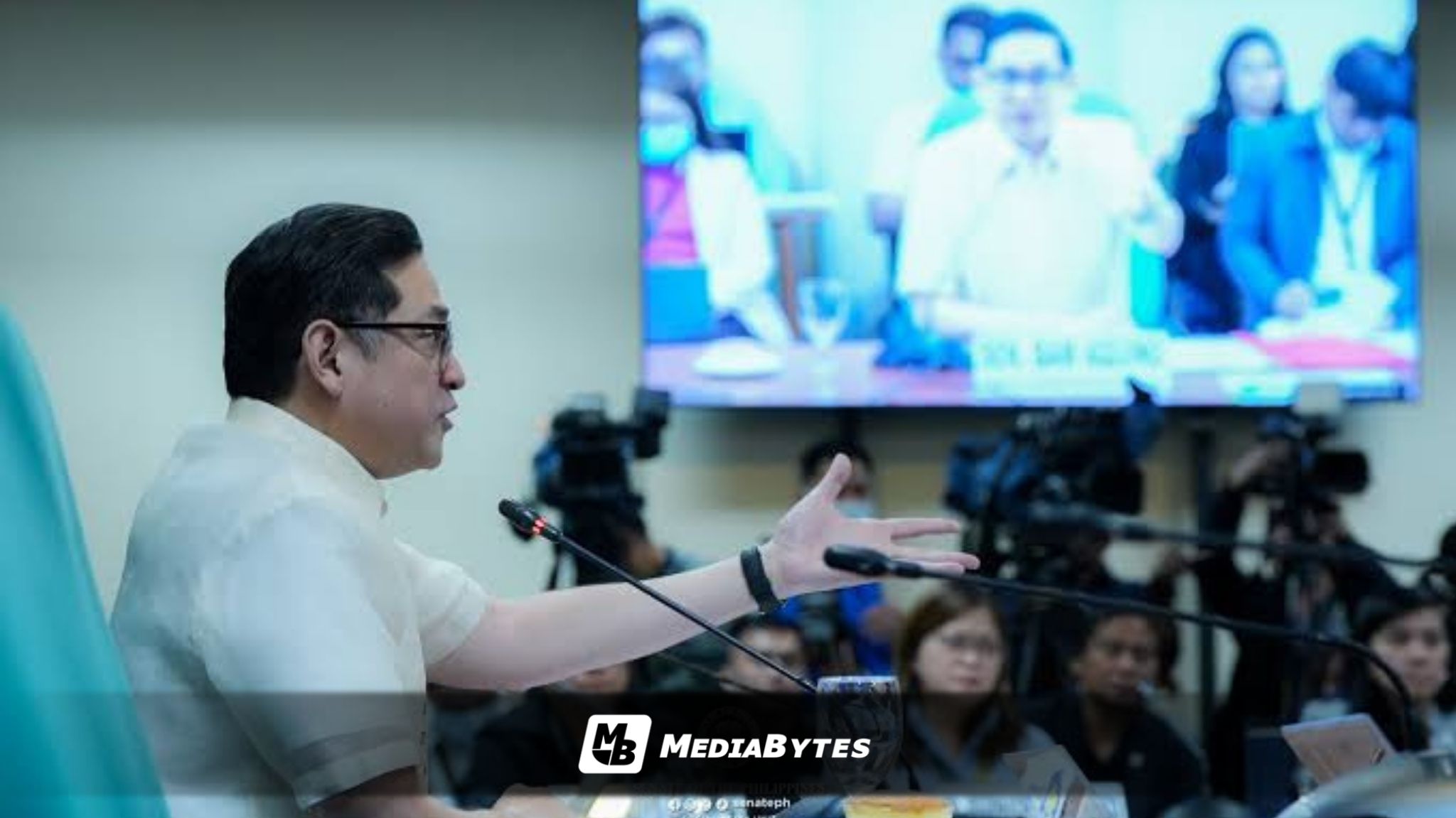
The Senate Committee on Science and Technology on Thursday examined a proposal to modernize the country’s nuclear liability framework, with science and energy officials stressing that clearer rules are essential to attract private investment and ensure accountability in the event of a nuclear incident.
During deliberations on Senate Bill No. 1206, Department of Science and Technology–Philippine Nuclear Research Institute Director Carlo Arcilla said the Philippines is nearing completion of key institutional requirements for nuclear power development, including the establishment of an independent regulator.
“From our perspective, number one the PhilATOM has to be established and we’re close to that. We’re writing the IRR (implementing rules and regulations) now,” Arcilla said.
Arcilla explained that once the implementing rules are finalized and leadership appointed, the Philippine Atomic Energy Regulatory Authority (PhilAtom) will oversee nuclear safety, security, and safeguards.
Created under Republic Act No. 12305, signed by President Ferdinand “Bongbong” Marcos Jr. in September last year, PhilAtom consolidates nuclear regulatory powers previously spread across agencies and serves as the country’s counterpart to the International Atomic Energy Agency (IAEA).
He noted that nuclear facilities operate under two primary permits.
“There are only two licenses for nuclear plants – license to construct and license to operate,” he said, clarifying that power rates and pricing fall under the Energy Regulatory Commission.
Senator Bam Aquino, who presided over the hearing, said a modern liability regime would provide both investors and the public with clearer rules on responsibility and compensation in case of accidents. He added that several firms have expressed interest in nuclear projects but are waiting for regulatory clarity.
The Department of Energy (DOE) confirmed growing industry interest, citing nuclear energy as a low-carbon baseload option that can complement renewable sources.
DOE Energy Utilization Management Bureau Director Patrick Aquino said companies are preparing to explore nuclear ventures while awaiting developments on PhilAtom and the passage of the proposed liability measure.
Senate Bill No. 1206 seeks to update the Atomic Energy Regulatory and Liability Act of 1968 to align with international standards, including the 1997 Vienna Convention and the Convention on Supplementary Compensation for Nuclear Damage.
The measure establishes strict and exclusive operator liability, sets financial security requirements, and provides mechanisms for claims and compensation, according to Senate research notes presented during the hearing.