


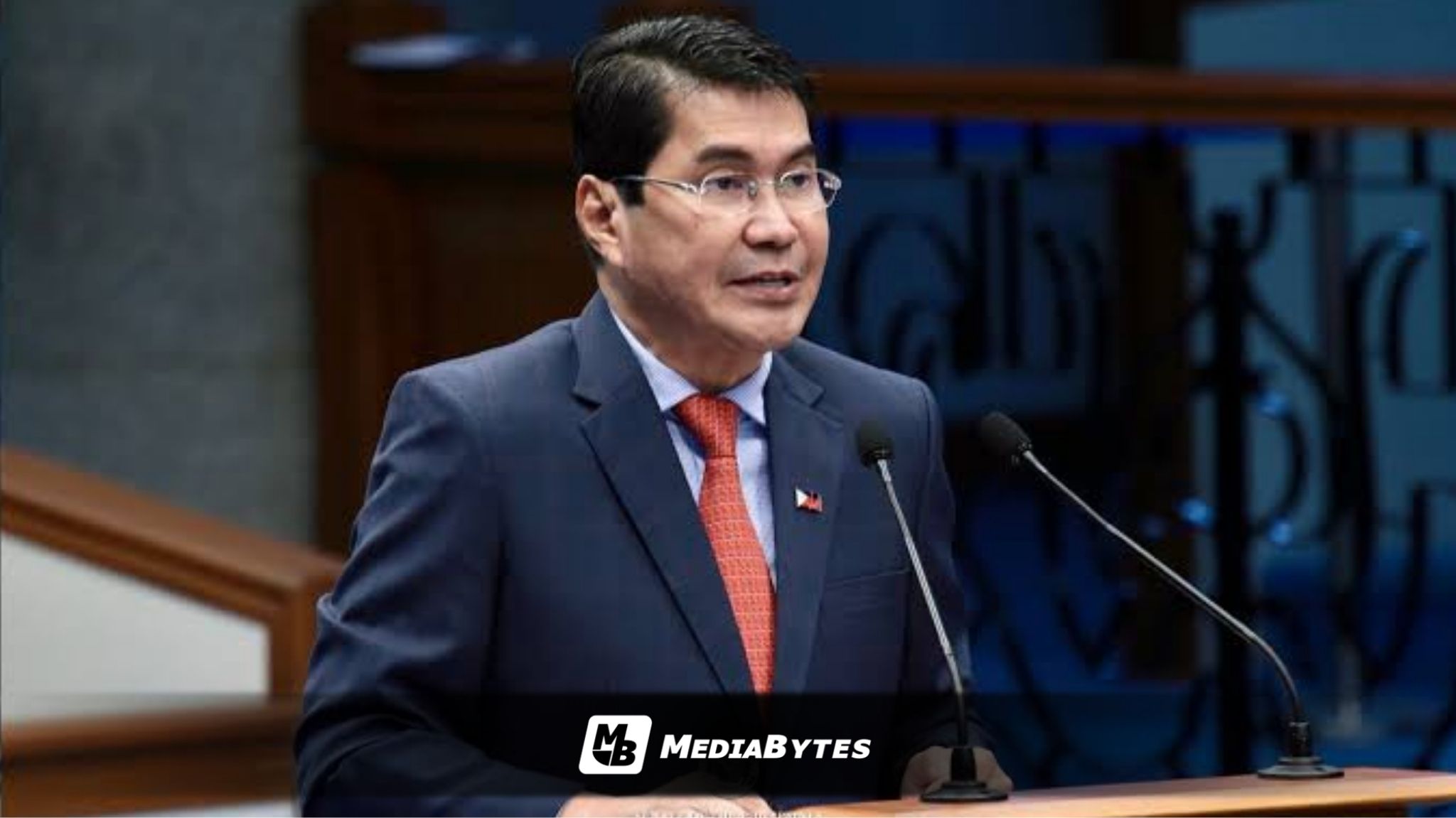
Senator Erwin Tulfo announced on Tuesday, March 3, that the Senate will conduct a hearing on Friday to address the deepening crisis in the Middle East and its potential impact on global oil prices.
Tulfo, who chairs the Senate Committee on Foreign Relations, said the inquiry will be held in aid of legislation following resolutions filed by several senators, including Bam Aquino, Kiko Pangilinan, Risa Hontiveros, and himself.
The panel aims to assess measures to mitigate surging fuel prices and evaluate government preparedness should the conflict persist.
Invitations will be sent to key agencies such as the Department of Energy (DOE), Department of Migrant Workers (DMW), Department of Foreign Affairs (DFA), Department of Transportation (DOTr), Department of Agriculture (DA), and Department of Trade and Industry (DTI).
Lawmakers are expected to seek updates on contingency plans, particularly in scenarios involving fuel price spikes or increased repatriation of Filipinos from affected areas.
Tulfo raised concerns about the possible closure of the Strait of Hormuz, a vital global oil route through which about 20 percent of the world’s oil supply passes.
He warned that prolonged disruption could trigger supply shortages and sharp hikes in petroleum prices, inevitably affecting transportation costs and essential goods.
“As a matter of fact, we had I think today ₱1-plus increase already and expect more to come,” he said, noting that higher fuel prices typically translate to more expensive food and commodities.
Tulfo expressed support for President Ferdinand Marcos Jr.’s reported stance of seeking congressional approval to suspend excise taxes on fuel once global crude prices reach $80 per barrel.
He also backed amendments to Section 148 to allow automatic suspension once the threshold is met.
“Malaki po dahil malaki po ang mababawas nito sa presyo po ng produkto po ng petrolyo sa mga pumping stations,” he said, while stressing that any suspension should be temporary to balance relief with fiscal stability.
On subsidies, Tulfo noted that around ₱2.5 billion has reportedly been allocated to assist public utility vehicle (PUV) drivers but questioned its sufficiency if the conflict drags on.
“I know it will not be enough kasi what if this war will drag on for weeks and weeks?” he said.
He explained that subsidies are meant to temper fare hikes and prevent sharp increases in food prices by offsetting higher fuel costs along the supply chain. Timing of releases, he added, will depend on the executive branch.
During the hearing, senators will also ask the DOE about potential alternative oil sources, including supplies from neighboring countries such as Malaysia and Indonesia, noting that some smaller oil firms already import fuel from these nations.