


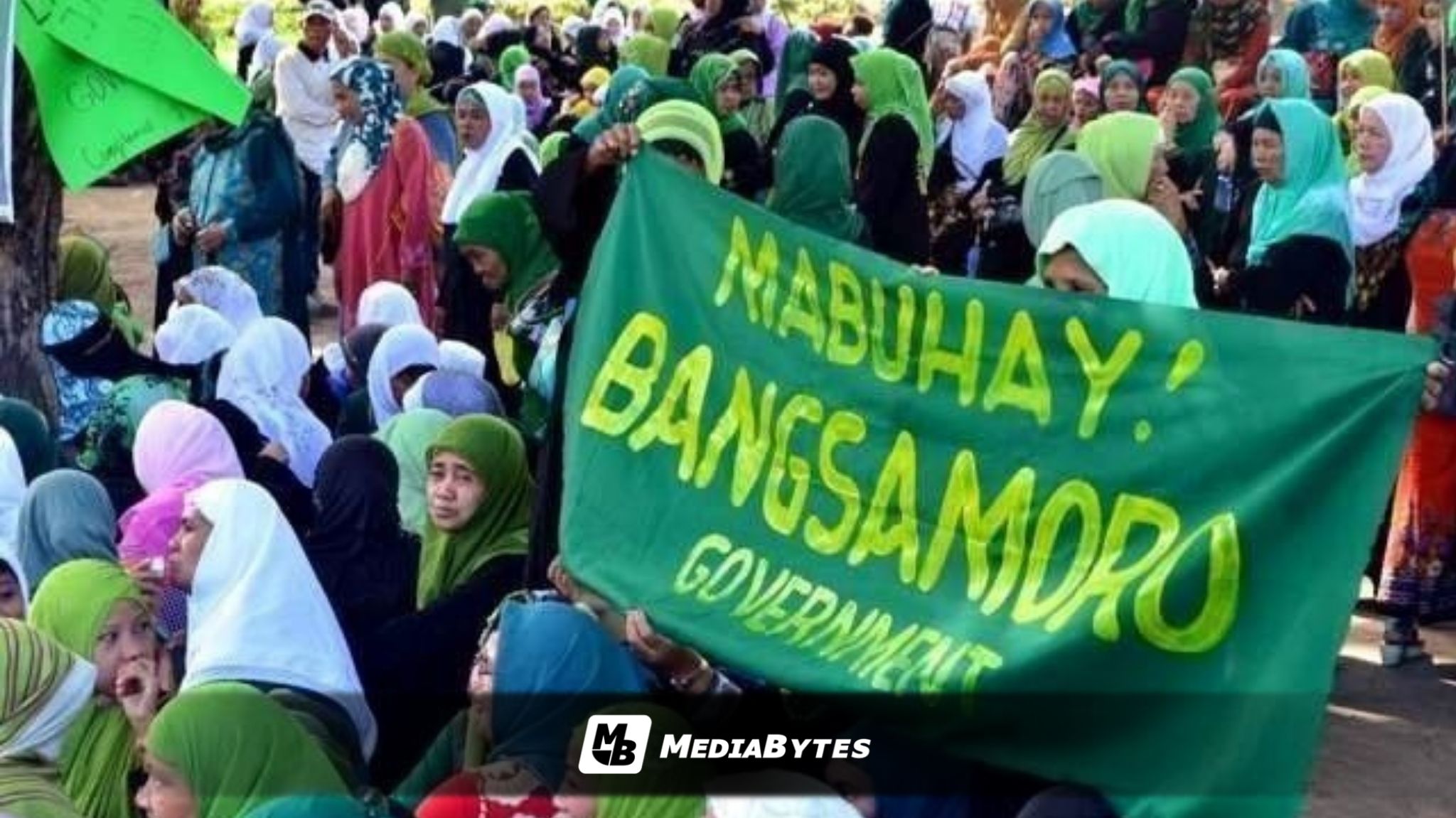
The Office of the Special Assistant to the President (OSAP) highlighted the efforts of the Marcos administration to reinforce Bangsamoro institutions as a crucial pillar for the effective and continuous implementation of the Comprehensive Agreement on the Bangsamoro (CAB).
According to OSAP Assistant Secretary Ria Lumapas, the administration’s primary objective is to strengthen the capabilities of both national and regional institutions so they can clearly and effectively fulfill their obligations under the CAB.
Lumapas also emphasized that the first-ever election for the BARMM Parliament marks a significant milestone in the region’s political landscape.
“It completes the political track of the peace process and allows the region to finally have a government that is no longer transitional or appointed but derives its mandate from the electorate, thereby strengthening the legitimacy of the Bangsamoro government,” she said.
She added that planning for peace and development must be grounded in the actual conditions on the ground.
“Future thinking must begin with clearly identifying existing gaps so institutions can be responsive to both current and emerging issues,” she noted.
Lumapas also stressed the pressing need for stronger coordination among agencies, saying that such a culture remains weak in the country. She encouraged government offices to abandon siloed work and territorial thinking, and instead focus on policies that strengthen institutions to ensure continuity even amid leadership changes.
“The national government and the BARMM, both sides, can still work together and meet normalization targets because the peace process must be insulated from politics,” she underscored.
She further explained that the government urgently needs a comprehensive roadmap that sets clear frameworks, goals, and targets. This includes clarifying long-used terms such as parallel, commensurate, and substantial implementation to ensure a shared understanding in carrying out the CAB.
“Some matters must be bigger than politics, because without strong institutions, implementation becomes inconsistent and leads to interventions that are unresponsive and prone to miscommunication,” Lumapas concluded.
In the end, OSAP said the administration aims to translate the gains of the peace process into actual governance by improving agency coordination, setting clearer standards, and establishing a comprehensive roadmap—paving the way for stronger institutions and long-term development in the Bangsamoro region.